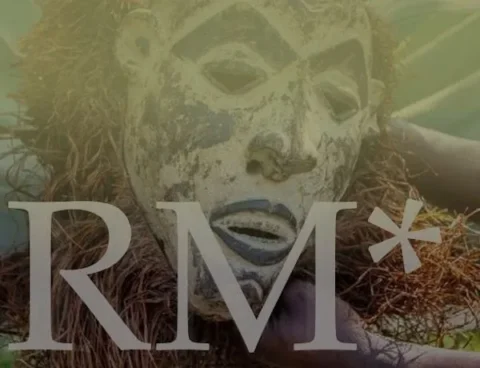
Also missionaries who took skulls mainly because they were beautiful, curator Paul Voogt knows. ‘They knew this culture was dying out and wanted to preserve some of it.’
Paradoxically, the cause of that extinction was the arrival of the missionaries. They spread Christianity at the expense of local rituals and customs. ‘That is indeed an opposite movement.’.
As the zeitgeist has changed, the view on the possession of skulls is also not what it used to be.
‘The mission order itself still finds it most uncomfortable,’ says Voogt. For although the museum itself is now independent, that does not apply to the collection. That is still in the hands of the SVD-order.
When Voogt showed the elders pictures of the skulls asking if they wanted them back, the answer was unanimous: no.
A major reason given was that the tribes did not know who the skulls belonged to. That made the connection with the object less strong, but something else was in play.
What if they came from an enemy village? Then you bring evil spirits into the house.