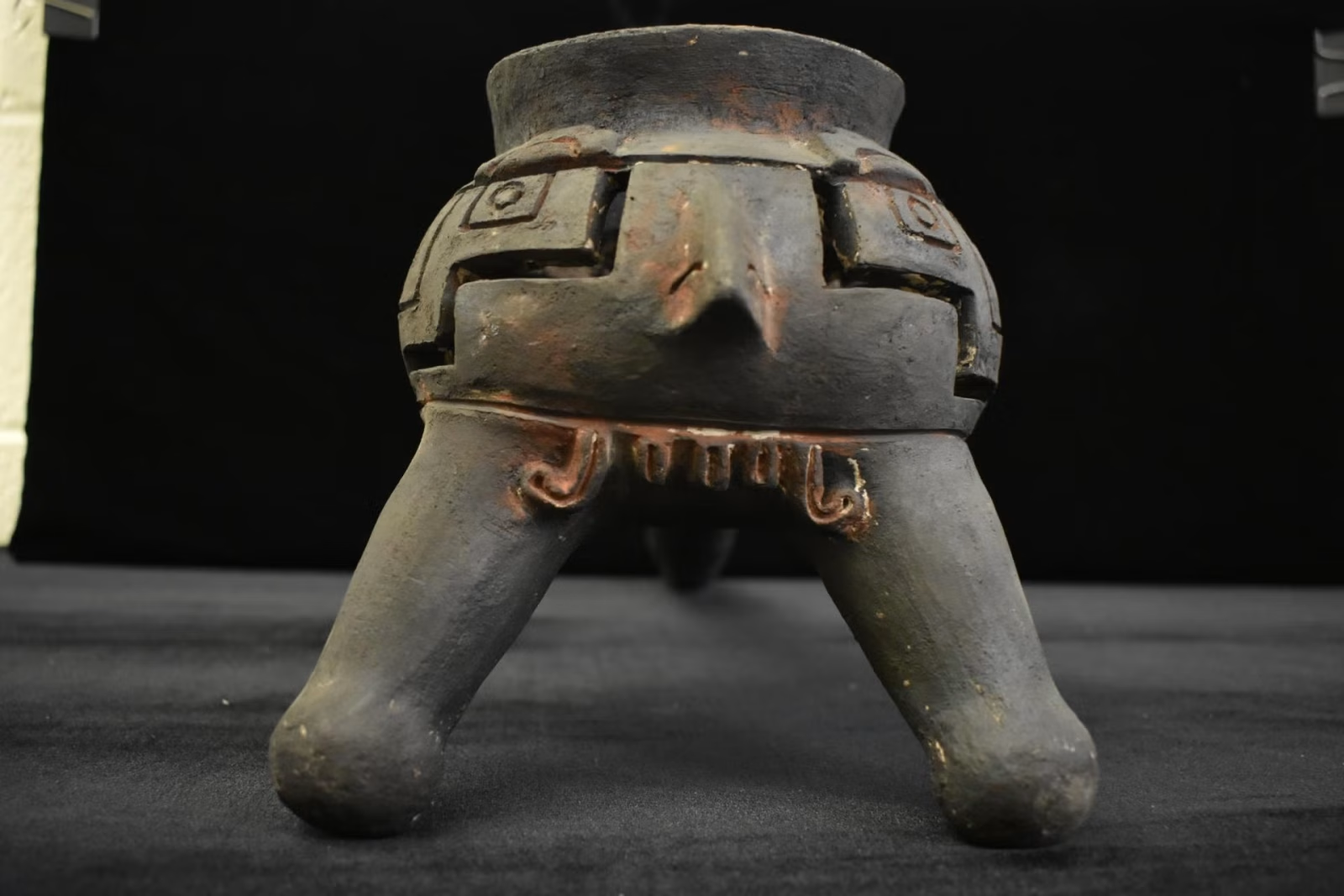
The rematriation of the material cultural heritage of Indigenous Peoples seeks the return of these elements to their place of origin, where the main beneficiaries are the cultural descendants, as an act of social justice and human rights.
This movement originated in the late 1960s, when a group of Native Americans demanded the rehumanization of their ancestors’ remains.
They questioned the power of archaeology to excavate sacred sites and tombs to collect, display, and study their ancestors. Calling out the desecration of their ancestors’ graves and demanding the return of both their remains and their material cultural heritage marked the beginning of a greater struggle for decolonization.
The challenge is not only to address rematriation internationally, but also to strengthen our collective identity as a Nation. To achieve this, we must work on reappropriating and recovering our material cultural heritage, language, and culture to recognize and value who we are. It is crucial to raise awareness and involve young people and children in the care and preservation of cultural elements and sacred sites, as well as to strengthen our language in a context where we have rights, but also responsibilities.
Furthermore, collaboration with Ñuu Savi specialists is essential. Their contributions from archaeology, anthropology, history, law, linguistics, and international relations can strengthen the foundations for demanding rematriation internationally.
It is also necessary to develop a protocol for the rematriation of Ñuu Savi. These defined courses of action can help successfully carry out rematriation.
The author, Izaira López Sánchez (Ntyivi Ñuu Savi), is Project Coordinator at the Americas Research Network (ARENET) and leader of the Ñuu Savi Collections Around the World Project.
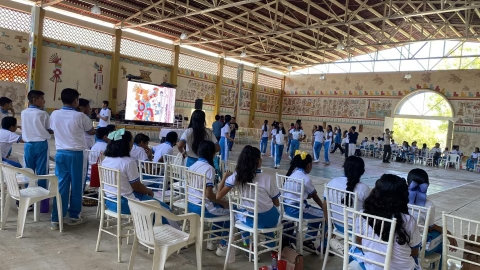
Workshop Series, “The Return of Our Ancestors,” Yucu Saa Community Museum, Villa de Tututepec, Oaxaca, Mexico. Photo by
Omar Aguilar Sánchez.