Recent indications of trade in ancestral remains:
- Swan Fine Art in Oxfordshire U.K. announced the sale of over twenty skulls from nine colonial regions for 9 October 2024. Among them a skull of a Fon person in what is now the Republic of Benin.
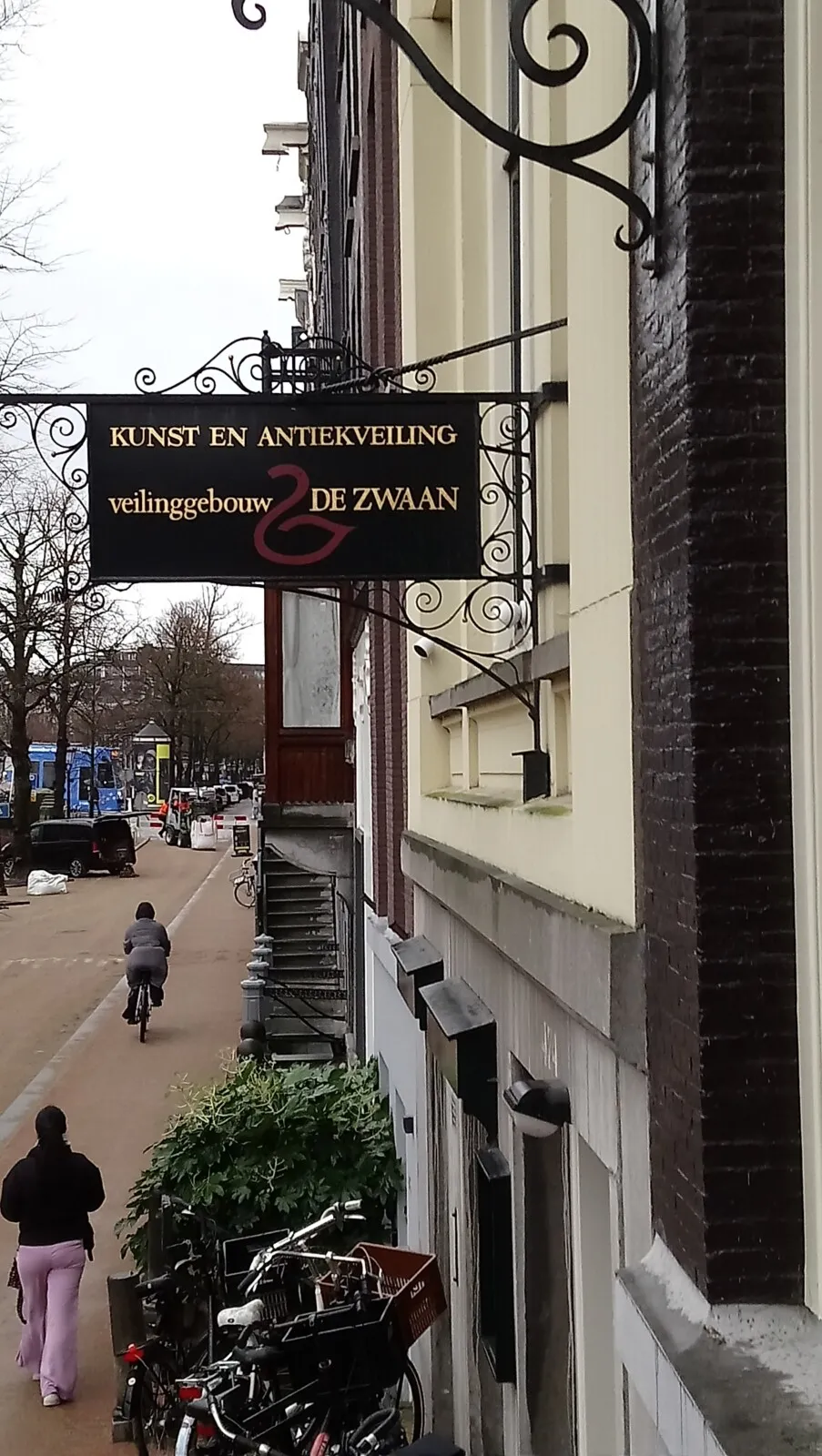
- On 11 November 2024, Auction House De Zwaan in Amsterdam sold a skull of a Fon person, also acquired in the colonial period, for €800.
- Shortly before these two events, a fair was held in Genk, Belgium, where thousands of visitors were offered hundreds of skulls, including from colonial regions.
- In 2024, The Bone Museum opened in Brooklyn, New York. The owner claims that some body parts are over 150 years old and that he acquires most from students who once had them for educational purposes and no need them any longer.
Some skulls in the market are decorated with shells, feathers or other materials. Or clay has been stuck on them to make them look like the deceased.
Prices range from €500 to €100,000.
(British) India
Over the centuries, medical staff, teachers, students, their museums and institutions plus private collectors have been the major consumers of ancestral remains, Patrick Pester writes.
Often newly buried bodies came not only from graves, prisons and hospitals in the colonial areas but also from similar locations in Britain’s major cities.
Pester: It was ‘easy for Europeans to access India’s skeletons because India was a British colony’; this country ‘continued to be the U.K.’s main source of human remains after it became independent. […]
In 1984, India exported about 60,000 skulls and skeletons to Britain and other European countries, America, and Australia for medical students.’ And this trade had ‘strong links to grave robbing’.
It occurred and still occurs
What stood out in the bones-fair in Belgium, was the mixture of young and old. The traders were mostly a bit older, so were many visitors, but there were also striking number of singles and couples in their thirties.
None of them showed any hesitation in this kind of trade. They used arguments like:
- Skulls are taken in every war, including colonial wars.
- The skulls are better off in Europe, because in countries of origin only a minority are interested in them.
- As long as there is no evidence of a negative story about theft or murder, I don’t feel encumbered.
Buying a skull from a colonial Dayak or Papuan can be done in seconds on Instagram. Auction houses offer them. In 2022, a Belgian auction house offered three skulls, taken during a military expeditions in DR Congo in 1894. At the fair in Genk, a visitor asserted to have purchased a tattooed Māori skull for 100,000 euro.
Hierarchy: animals and plants, then humans
While national and international regulations – such as CITES, Convention on International Trade in Endangered Species of Wild Fauna and Flora – prohibit the trade in protected animals and plants, most countries do not legally ban the trade in ancestral remains, including those from colonial regions.
No legal ban
By early 2025, the situation in the following countries is as follows:
- In the USA, there is no federal law preventing the trade in or possession of human remains, unless they belong to First Nations Americans. Whether one is allowed to trade or own human remains is the responsibility of each State (various sources).
- France has passed a law criminalising the sale of ancestral remains, but its application remains uncertain and dealers continue to sell (Saskia Cousin). France has ‘no official documents to guide museum professionals on the criteria to assess a request for the repatriation of human remains’, let alone the private sector (Sophie Vigneron).
- In the UK, ‘buying and selling human remains isn’t illegal’ (Patrick Pester).
- Germany has no legal ban on the trade in human remains, but the former Minister of State, Katja Keul, wanted to introduce it (NDR Panorama).
- Belgium has a draft bill on forbidding the sale of human remains since late 2023. It came after an auction house had offered the three aforementioned skulls from DR Congo for sale (Marie-Sophie de Clippele).
- In Australia, it is broadly illegal to buy or sell human remains but ‘a modern form of grave robbery online’ is arising, with bone collectors exploiting loopholes in the law by charging money for photographs of the remains and then adding the bones as a ‘gift’ (Damien Huffer).
- The Netherlands ‘does not really have clear regulations’ for the trade in ancestral remains (Dutch Ministry of Culture).
Protests from communities of origin
When the auction in Oxfordshire started, the Swan auctioneer had removed the skulls from its website. This was due to a combined effort by the Indian Forum for Naga Reconciliation, the Nagaland Chief Minister, the Pitt Rivers Museum in Oxford and the University of California (Patrick Pester). It is unknown where the skulls are now.
Members of the African scientific community, European researchers and civil society organisations protested against the auctioning of a Fon skull by De Zwaan in Amsterdam, a week after the sale. The auctioneer never responded but declared in a Dutch newspaper that he would no longer auction skulls.
In the NDR-Panorama documentary, Mikael Assilkinga from Cameroon and Peter Kipma from Papua New Guinea refute the argument that there is little interest in ancestor skulls in countries of origin. The absence of these skulls is a trauma that passes from generation to generation. They find the trade in their ancestors utterly reprehensible.