The transformation – since 2000 – of the Araucanian Folkloric Museum into Ruka Kimvn Taiñ Volil (RKTV, meaning “the house of our roots’ knowledge”), a name chosen by the communities, allowed new presences to make their way and shape the museum’s daily life and concerns. This participation shifted the institution’s concept, curation, and conservation practices.
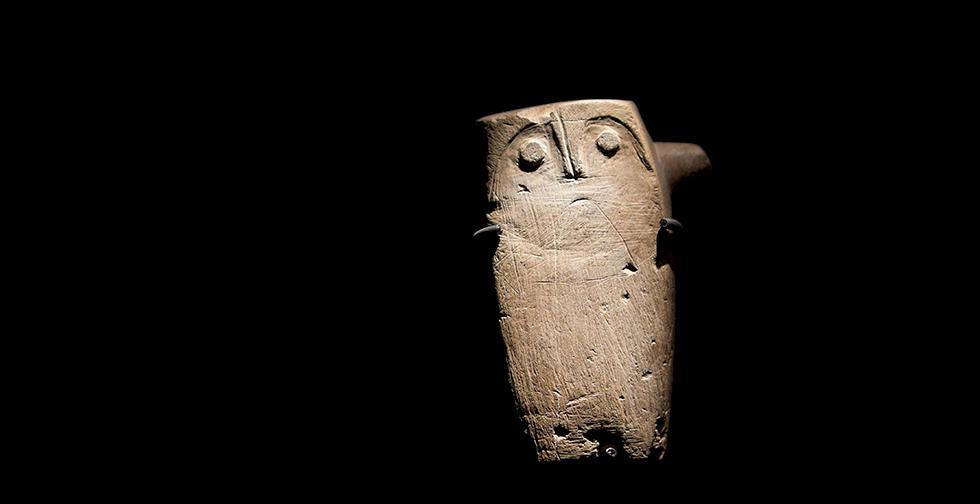
Courtesy RKTV
From the second half of the 2010s onwards, other-than-human politics reshaped the participatory process. Demanding their release from the colonial captivity they were subjected to, other-than-humans challenged the conception of things-as-heritage, objects belonging to the Chilean State, and demanded de-patrimonialization, repatriation, and reburial.
Making the recalcitrant image of things-as-lives apparent, other-than-humans required respect. They both stressed the museum practices that turned them into objects and brought to the fore the complexities of the colonial condition that encapsulate their lives.
This account of the RKTV’s transformation demonstrates that repatriation involves more than Indigenous cultural rights. It also needs to make room for acknowledging and engaging with an other-than-human politics in its own capacity. The experiences at Cañete reveal that things, spirits, and even the dead themselves actively demand their release from colonial captivity, thereby exposing the profound disruptions that collecting has caused over their lives and the relations they establish.

