In 1891 the Metropolitan Museum of Art set about raising $100,000 (about $3.5 million today) to purchase a collection of plaster casts large enough to compete with those in Boston (777) and Chicago (247), if not Berlin (more than 2,000).
Oh, the difference 135 years makes.

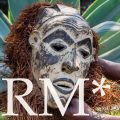
Courtesy Musée du quai Branly – Jacques Chirac
Today the Met holds over a million and a half artworks—the vast majority of them “original” by most definitions. But originality turns out to have its drawbacks.
Over the past ten years the museum has had to return dozens of objects shown to have been illegally removed from their places of origin or stolen from their rightful owners.
Sixteen ancient sculptures went back to Cambodia and Thailand, another seventeen works to India, nineteen to Egypt, twenty-one to Italy and Greece. Smaller returns have been made to Iraq, Nepal, and Turkey. And the Met is not alone.
The Getty in Los Angeles, the Art Institute of Chicago, the Smithsonian, and many other major museums have found themselves in the position of sending acquisitions back to their home turf in Italy or Nepal or Cambodia.
quisitions back to their home turf in Italy or Nepal or Cambodia. The Rijksmuseum returned weaponry, including an ornamental cannon, to Sri Lanka; the National Museum of Denmark sent Brazil a Tupinamba feather cloak that had been in Copenhagen for three hundred years.