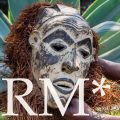
The wooden “sun masks,” which date back to the mid-15th century, were handed over at the presidential palace during a visit to Berlin by Colombian President Gustavo Petro.
The decision to restitute them follows several years of contacts between Berlin’s museum authority and Colombia, and an official Colombian request last year for their return.
Then curator Konrad Theodor Preuss of the then Ethnological Museum in Berlin acquired the masks in 1915, with 698 other objects during a trip to Colombia. According to the German capital’s museums authority, he wasn’t aware of their age or of the fact they weren’t supposed to be sold.
The two artefacts were treated with toxic pesticides while in museum. Wearing the sacred artefacts in ceremonies may come with a health risk. The masks had been held in ethnological collections in Berlin for over a century.
Earlier, The Guardian reported already about this risk. It did so by telling how the UN representative for the Polynesian territory (Easter Island) spent four years in the Grassi Museum in Leipzig, preparing the repatriation of 28 members of the Huki and Hitorangi clans of the Rapa Nui nation whose Ivi tupuna (skeletal remains) were in 1882.
In the 2022 Pest Control in Museums landmark study, the Berlin-based researcher Helene Tello charts the way in which a booming German chemicals industry of the late 19th and early 20th century aggressively marketed products to museums struggling to protect their collections from infestations of pests such as wood beetles, clothes moths or silverfish.

