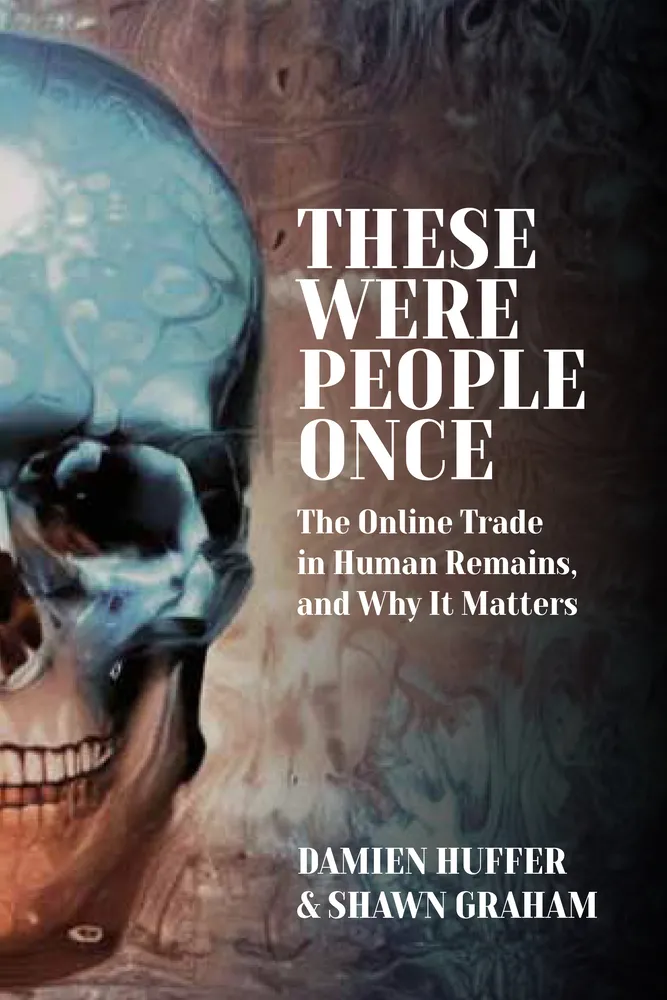
Danien Huffer and Shawn Graham argue that people buy and sell human remains online and that most of this trade these days is over social media.
In a study of this ‘bone trade’, how it works, and why it matters, the authors review and use a variety of methods drawn from the digital humanities to analyze the sheer volume of social media posts in search of answers to questions regarding this online bone trade.
The answers speak to how the 21st century understands and constructs ‘heritage’ more generally: each person their own expert, yet seeking community and validation, and like the major encyclopedic museums, built on a kind of digital neocolonialist othering of the dead.
For example, Torres Strait islander communities collected the skulls of enemies and sometimes sold parts of these trophies to men from Papua New Guinea in the 19th and 20th centuries. One of these sellers rather disdainfully reported to an anthropologist in 1935 that the purchasers then “made big talk,” claiming it was they who had been the killers.
Historians have increasingly investigated the explosive growth of the commerce in exoticized human remains during the colonial era. But what happened when the internet, with its unprecedented acceleration of cultural exchange and global commerce, enters the equation?