This is because pre-colonial sacred objects have an aura of untainted timeless past reflecting the way of life of the African people.
The colonial encounter with Africa witnessed a rush for African traditional religious artifacts and antiquities which left indelible marks of hostilities and cultural clashes among the African people.
Many African artifacts looted from their countries of origin during colonialism and are now housed in museums and private collections around the world.
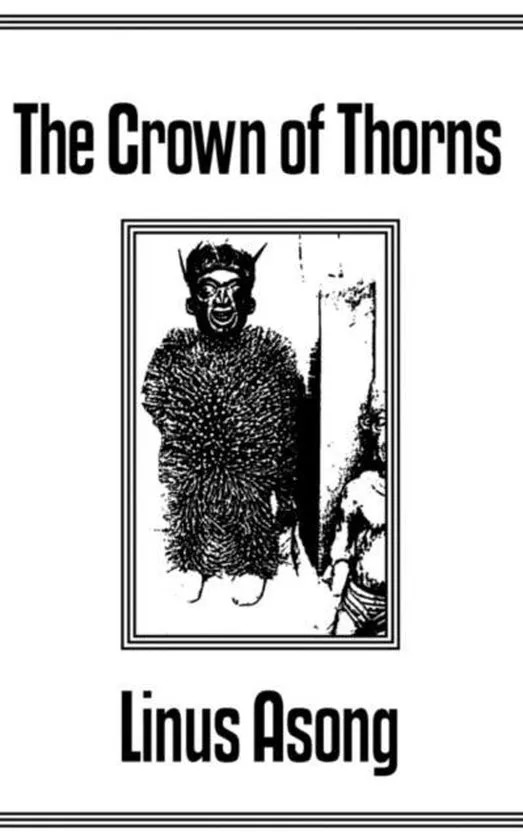
While most studies on Linus Asong’s 2009 book The Crown of Thorns focus on feminist analysis, the paper is read from the perspective of New Historicists’ exegesis that interrogates the commodification and restitution of African sacred objects stolen from Africa during colonialism.
The findings show that, although the issue of the commodification and restitution of African artifacts is a complex and controversial one, there is a growing recognition of the importance of acknowledging and rectifying the historical injustices associated with their commodification.
About Linus Asong’s The Crown of Thorns:
What starts like a big joke develops into grim tragedy: the statue of the god of Nkokonoko Small Monje is discovered to have been stolen and sold to a white man! The tradition demands instant execution of the culprits. Was their Chief involved in the theft? What was worse, the crime or the punishment?