IN 2024, the National Gallery of Canberra made its decolonising intentions public by hiring an Assistant Director of Indigenous Engagement. It also held a conference entitled ‘Know My Name’, which was largely centred around feminism and gender equity.
A panel session on the first day called ‘Alternate Histories’ sought to examine how ‘Feminist and queer histories, decolonising projects and alternate voices continue to reframe the canon of art history to present new and diversified perspectives on the past, present and future.’
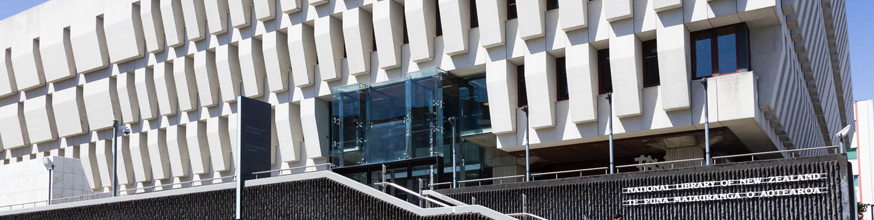
Courtesy National Library of Wellington
The catch cry of the conference’s annual keynote address was ‘Decolonization is not a metaphor; it is an action.’
There are worrying signs too from the National Library in Canberra which has stated in its Collection Development Policy that it will no longer collect books from overseas. ‘We will significantly reduce overseas collecting that does not have Australian content.’
Over the pond, the National Library of Wellington is one step ahead, having announced that it is getting rid of more than 600,000 “foreign books” to make space for the New Zealand, Māori and Pacific collection. This is one step away from book burning.
One of the dangers with the decolonisation movement is that it has no discernible end. Having been put into motion, it is almost an unstoppable force.
It is not merely about decolonising the library or the classical music archive, it is actually about decolonising our institutions and every concept attached to these institutions. It is in fact, a rolling revolution, whose negative effects are already highly visible.
Our museums and libraries must preserve our history as precious knowledge, which is to be treasured for future generations. In trying to erase the past, we erase ourselves.