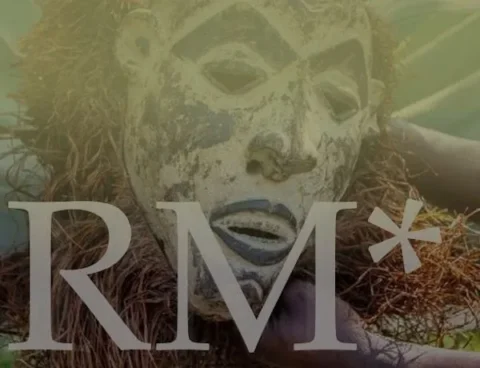
ReThinking Collections is a new temporary exhibition devoted to provenance research.
Most of the collections in the Royal Museum for Central Africa were acquired during the colonial era, in what is now the DR Congo.
Provenance research and the related topic of restitution are attracting more attention in current social and political debate.
Belgian historian Sarah van Beurden: “The research cannot answer all questions about all objects. Many pieces will remain ‘silent pieces’: it will not be possible to fully trace the origin of every piece. Therefore, the question of whether an object should be returned should not only depend on the provenance investigation. Several avenues should be able to lead to restitution.”
The exhibition is a good reason for Kwame Opoku to point to a beautiful museum in Kinshasa. He quotes historian Didier Gondola: colonial soldiers, administrative officials and missionaries “collected” artefacts, often using “violence” or “coercion”.
Though Belgium is plunging into the issue now, restitution requests were sent starting in the late 1960s by Mobutu Sese Seko, dictator of the country that at that time was known as Zaire.
A decade later, the museum handed over 114 pieces, but not its most prized ones. “In Mobutu’s time, for example, the Europeans said ‘We are doing you a favour, because we are conserving your objects. If we gave them to you, they would end up on the international art market, would be sold on, because the government is corrupt, or they’d be ruined because you don’t have the means to conserve them’,” Gondola said.
But times have changed, he stressed. “In Kinshasa, there is a very beautiful museum, just as modern as this one, and there is enough space that these objects can be brought back into the national heritage.”