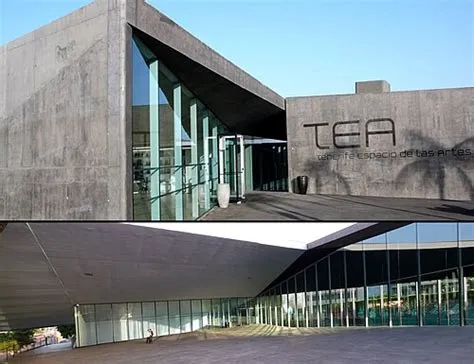
From the eighteenth century onwards, archaeological objects and Indigenous human remains from the Canary Islands entered collections in mainland Spain and abroad. Some of these histories are well known; others are only beginning to be reconstructed.
Diásporas Patrimoniales grows out of the work developed by the Government of the Canary Islands through the Legado Canario Disperso programme. The symposium will bring together professionals responsible for Canarian collections abroad, specialists involved in restitution processes, and institutions reassessing the histories of their own collections.
The meeting will conclude with the Santa Cruz de Tenerife Declaration, conceived as a starting point for continuing these conversations beyond November.
Note RM*:
- Between 1402 and 1496 the Spanish king conquered the Canary Islands. It has been described as the first instance of European settler colonialism in Africa or Europe’s first stop of impertialism, and as a genocide of the Islands’ indigenous Guanches, which contributed to their extinction as a distinct group.
- Matthew Wills in JSTR: Before Columbus sailed the ocean blue, the basic model of European attack on new worlds was prototyped in the Canary Islands. Enslavement of the local population, genocide, and radical transformation of the environment in the name of extractive exploitation followed the violent colonization of the islands. The ancient Greeks had called the islands beyond Gibraltar Macaronesia, meaning the fortunate islands, but the islands were less than fortunate in their colonizers.
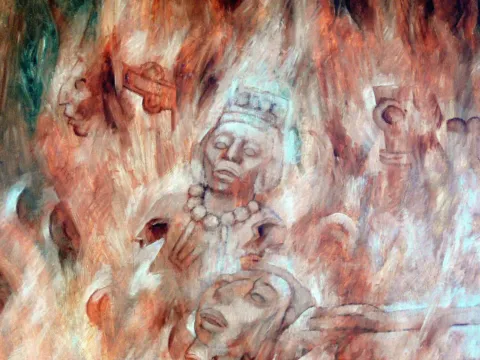
Merida – Palacio de Gobierno – Murals by Fernando Castro Pacheco: The Spanish bishop Diego de Landa is burning figures of Mayan deities ( detail )