This tiny but challenging exhibition consists of two major display cases with empty stands and labels plus a substantial explanaition.
Imagine a future in which all racialized human remains find a final resting place. What remains? Display cases with empty stands and labels – direct evidence of the racial collecting mania of Museum Vrolik’s anatomists in the nineteenth and early twentieth centuries.
These objects are essential, as they will show future generations how medical doctors contributed to racist and colonial science.

Courtesy Museum Vrolik
Through captions linked to stands, we move beyond the objectification and racial categorization of remains, showing their humanity and, at the very least, to tell their histories.The exhibition is Museum Vrolik’s contribution to the research project ‘Pressing Matter, ownership, value and the question of colonial heritage in museums’.
Investigation of archives and publications, museum labels and catalogues, and even inscriptions on the remains themselves revealed a great deal of information.
Communities of origin, including diaspora communities, were involved in the research. They provided many answers, and new insights, such as about the important, enduring spiritual connection between ancestors and present-day communities.
Susan Legêne (Pressing Matter) about Museum Vrolik:
- In the Pressing Matter research project, human remains were most pressing.
- Within the Netherlands, Museum Vrolik is a modest but courageously pioneering academic museum. This speaks from statements at the website, the careful dealing with the semi-permanent exhibition and conservation policies and the museum’s proactive restitution practices.
Results provenance research 2018-2025 [in Dutch and in English]:
The collection of Museum Vrolik currently contains 391 human remains from a colonial context. This represents approximately 8% of the museum’s total collection of human skeletons, skulls, and other anatomical preparations.
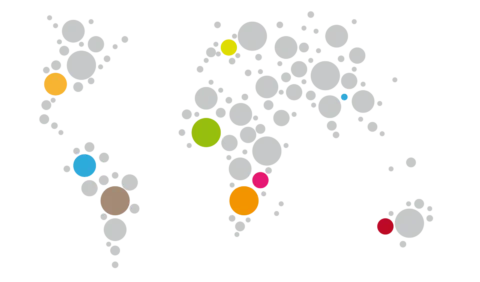
Of the remains from a colonial context 79% originate from present-day Indonesia. We do not know the specific origin of approximately 5% of the remains, because they were labeled by ‘race’ (originating from a ‘Black person’).
In the past years, Museum Vrolik repatriated ancestral remains to Indonesia and New Zealand.