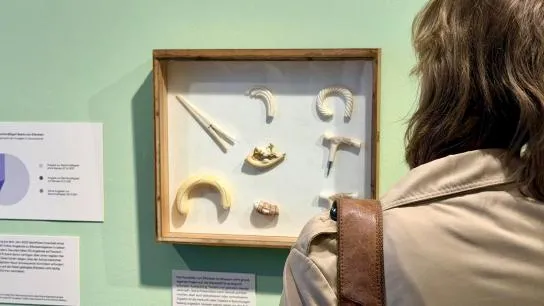
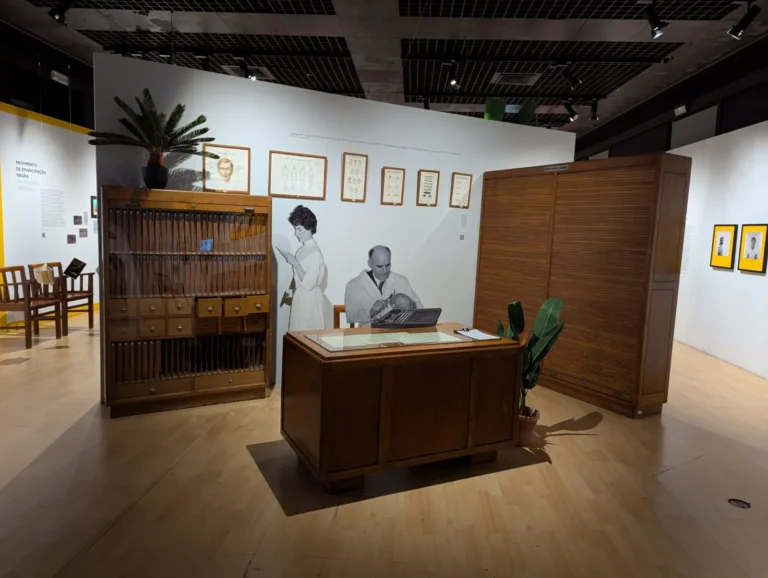
[in German] The merchant Theodor Francke (1830-1896) ran an ivory bleaching plant in the 19th century. Imported ivory from colonial trade networks was bleached here and processed into piano keyboards, for example. Francke GmbH was also involved in the trade in looted art such as the Benin bronzes. An exhibition at Museum Tempelhof in Berlin has the story...
How are colonial violence, looted cultural assets and partnership projects related? This exhibition sheds light on the eventful history between the Cameroonian city of Tibati and Bremen. The focus is on current questions: What is the status of the projects? What is the significance of the restitution of colonial objects and how can a common future be shaped?
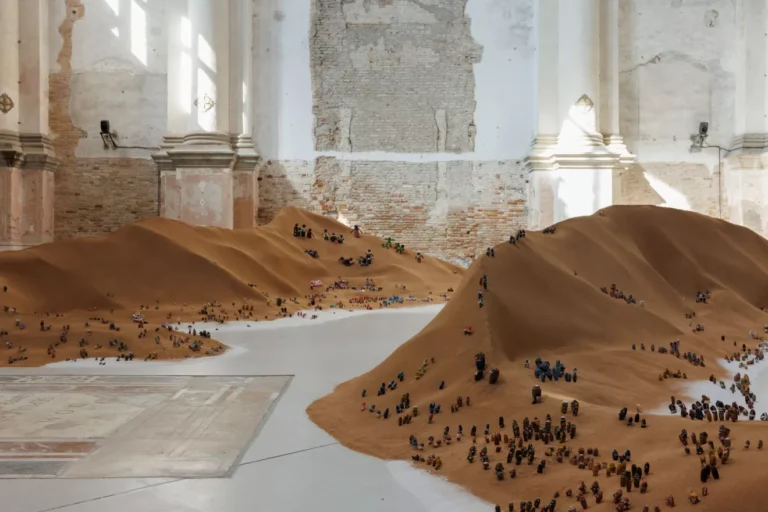
Running from 28 March through 11 October 2026 at Ocean Space, the Venice Art Biennale exhibition “Tide of Returns” by Khadija von Zinnenburg Carroll raises questions about such issues as ownership and ways of acquisition.
Artist and activist Ai Weiwei turns his critical gaze to the last 200 years of global history with a new major new exhibition in Manchester. Monumental in scale and ambition, Ai Weiwei: Button Up! is his most expansive presentation in the North to date.
Marking the beginning of the 2026 Ocean Space exhibition season, TBA21–Academy presents Tide of Returns, an exhibition based on the artistic research of the Repatriates Collective, initiated by artist Khadija von Zinnenburg Carroll and formed of artists from Australia’s Pacific North, South, and West Africa, Europe, and Latin America.
Kedleston (north-west of Derby) houses an impressive collection of paintings, sculptures and furnishings, some collected by the then Viceroy of India, George Nathaniel Curzon during his travels. The exhibition sheds light on previously untold stories. Encounters, a new film by British-Tibetan artist, Nyima Murry, brings to life the artefacts.
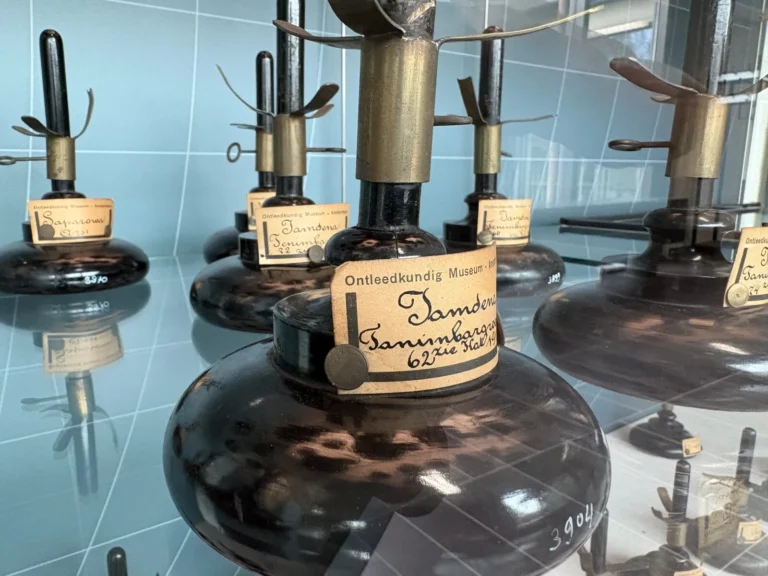
The preservation and exhibition of human remains in museums is a painful open wound for many descendant communities. Any museum that stewards such human remains, like Museum Vrolik (the anatomical museum of Amsterdam University), must respond to its racist and colonial inheritance. The result can be seen in this exhibition. The exhibition is based on the results of years of research, including origin, ways of acquisition and suppliers.
[ in French ] The exhibition draws on more than eighty photographs from colonial archives, mainly held at the Royal Museum for Central Africa in Tervuren. But far from a simple presentation of heritage, Boma La Première offers a critical reading of these images.
‘Time for Papua’ brings different perspectives together: from refined wood carvings and korwar figures to prauw prows and recent film works. You see how creators make history tangible, how objects form relationships, and how a dynamic perception of time clashes with imposed boundaries and economic interests.
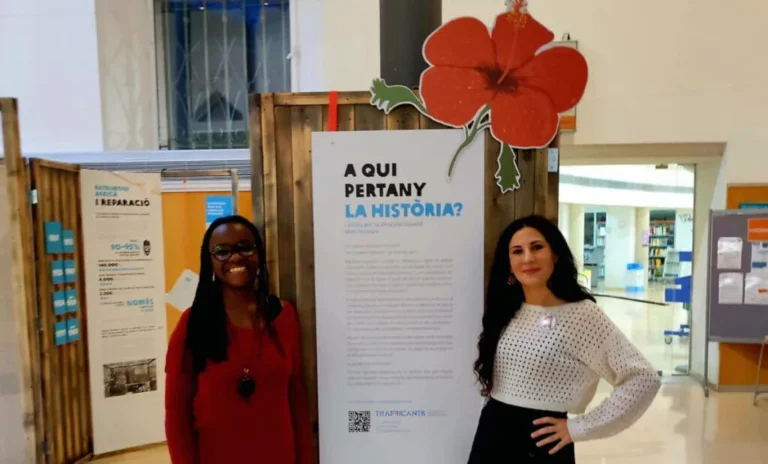
The Catalan project "(Tr)African(t)s. Museums and collections of Catalonia in the face of coloniality" has recently created a travelling exhibition titled “To whom does history belong? Struggles for the decolonization of museums". This exhibition “invites us to reflect on the role of museums in colonial history and to rethink heritage from a critical perspective."
[ in Spanish ] The exhibition recovers key moments from the decades of 1880 and 1990, when the first restitutions of human remains and the demands for patrimonial return to our context were produced.
[ in Portuguese ] The exhibition "The Photographic Impulse. (Dis)arrangement of the Colonial Archive" proposes a decolonial reading of the images and scientific objects from geodesy and anthropology expeditions carried out in territories colonized by Portugal.
In this exhibition, a group of artists examines how colonialism has shaped the ways museums, archives and other institutions of knowledge are perceived and understood, revealing the (im)material scars imposed by systemic violence.
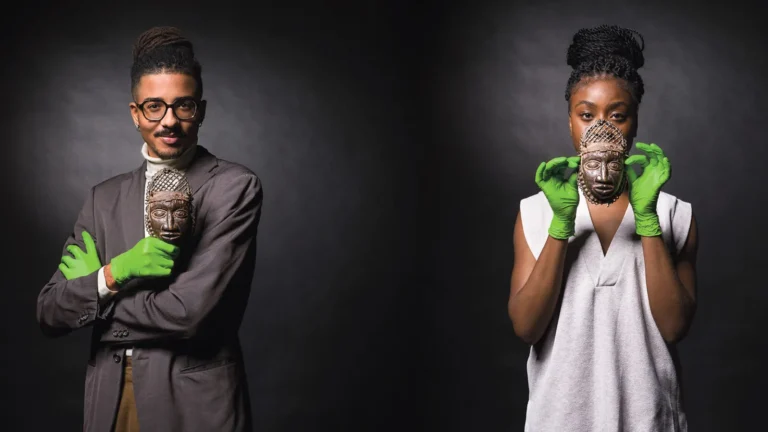
[ English ] The exhibition "Benin Dues" --> Guided Tour in English with curator Alice Hertzog on 24 August 2025
[ German ] Vom Umgang mit historisch belastetem Kulturerbe – in Ethnologie und Recht on 30 September 2025
The Tsilhqot’in National Government has launched its first major repatriation exhibit at the Museum of Vancouver, following the return of over 60 ancestral belongings—including baskets, tools, and cultural items—that had been held in museums and private collections for more than a century.
The exhibition explores the current debate surrounding collections gathered during the colonial period and the question of restitution. Visitors not only learn about the provenance of cultural objects but also to reflect on ownership, value, and the ethical implications of a colonial history that continues to resonate in museum collections today. [ English version and Dutch version ]
[ in English and in Dutch ] Science museums are full of skeletons, skulls and other human and animal remains. How were these obtained? Colonial heritage researchers shed new light on that question and come to painful conclusions.
“Black Paris” retraces the presence and influence of Black artists in France from the 1950s to 2000. The exhibition celebrates 150 black artists coming from Africa, the Americas and the Caribbean.
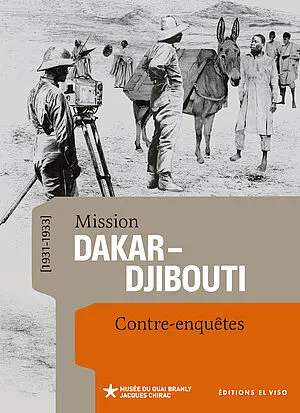
The Paris museum has invited African researchers to study the archives of the expedition, which took place between 1931 and 1933, and to carry out field studies to retrace the conditions of the undercover raid on artifacts.
At Galeria Avenida da Índia in Lisbon, Uriel Orlow’s exhibition Memória Colateral unfolds like a sensory mapping of historical violence and of how memory is inscribed – or erased – within Western structures.
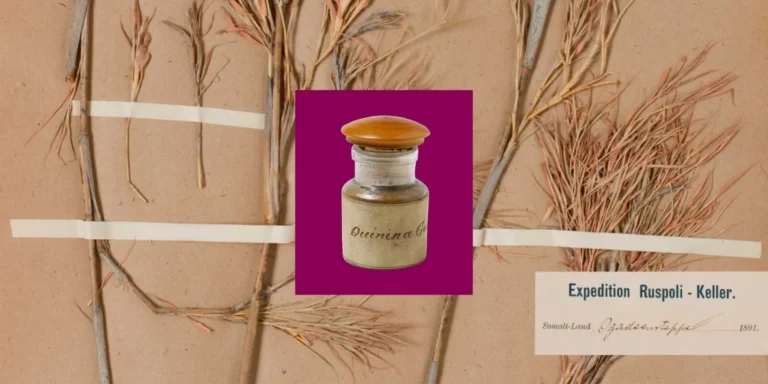
ETH Zurich's natural history collections house thousands of artefacts from former overseas colonies, including rocks and minerals, insects, animal and plant specimens.
His curation of Benin's Venice Biennale pavilion will draw on the ancient Gelede philosophy of Yoruba Feminism. Beninois artists will produce site-specific works for Benin’s debut pavilion, which will be co-curated by Madame Yassine Lassissi and Franck Houndegla.
How did Geneva live through the colonial period? In what ways was the Ethnography Museum a major cultural actor in the colonial context? What is the future of the collections held there? Can we understand today the real identity of an object, sometimes centuries after it entered the Genevan museum collections?
The “De Grote Indonesië Tentoonstelling” at De Nieuwe Kerk in Amsterdam has faced scrutiny due to its display of seven Buddha heads, allegedly from the Borobudur, lacking contextualisation.