“Our ancestors and their belongings were stolen from their resting place, a place where their families and communities prayed and grieved, leaving them to rest,” said Kathleen Marshall, Museum Board Chair and Lead Language Teacher for the Santa Ynez Band of Chumash Indians.
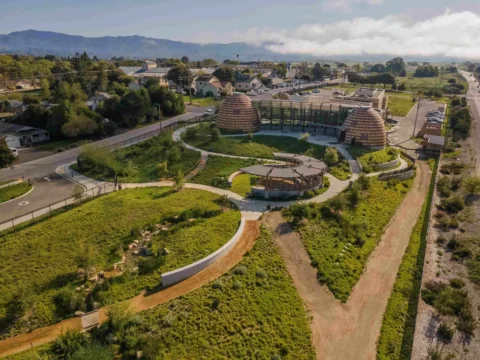
Santa Ynez Chumash Museum and Cultural Center
The Santa Ynez Band of Chumash Indians is still the only federally recognised Chumash tribe since receiving the recognition in 1901.
The tribe was separated from their ancestors for more than a hundred years, Marshall said, noting that the earliest collection was in 1877.
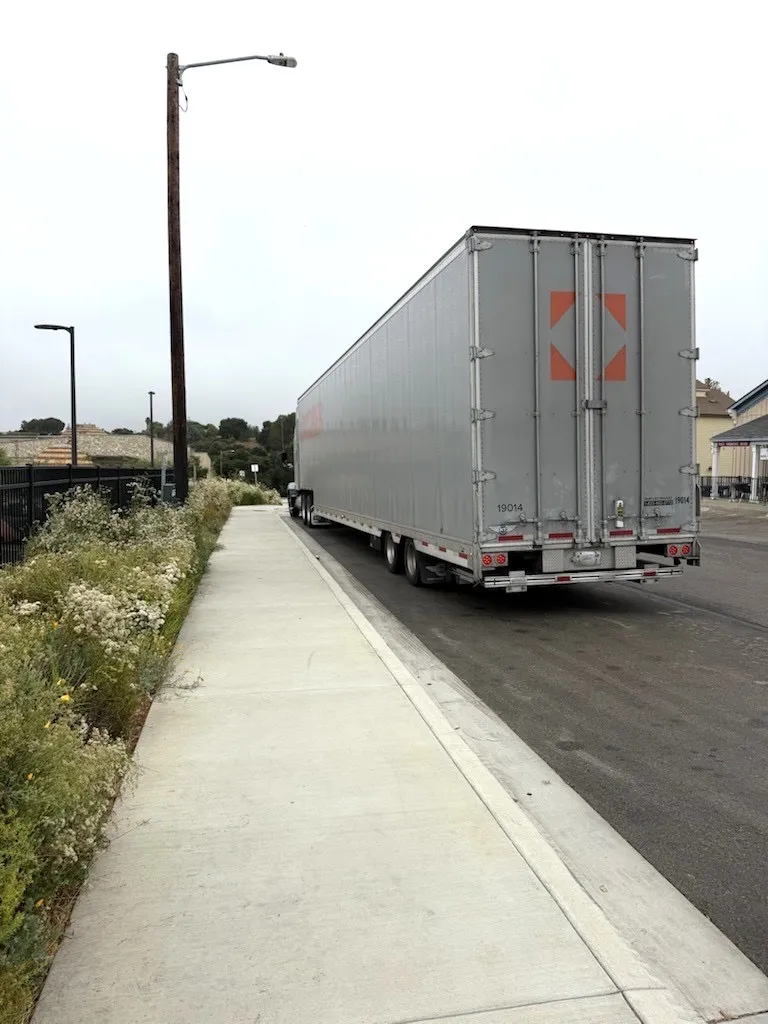
Its arrival marked an emotional milestone for the tribe as they work to bring their ancestors and cultural items home.
“With these returns, the ancestors receive a proper ceremony with all Chumash nations,” Marshall said. “We are guaranteeing their return to our Mother Earth is done privately, and they are placed back to the land they came from.”
Called repatriation — the act of returning a person, item, or asset back to its place or group of origin — the process followed two separate Native American Graves Protection and Repatriation Act (NAGPRA) notices issued by Harvard and Yale.
The act is a federal law enacted in 1990. It established a process for federally recognised tribes to seek the return of human remains and artifacts held by institutions receiving federal funding.
The return was a multi-day cross-country trip
The repatriation process took four years to complete, involving many visits to the East Coast by Chumash representatives. It was the culmination of years of consultation and collaboration between the tribe and both institutions, said Marshall, who is the tribe’s NAGPRA representative.
“I promised my ancestors that I was gonna bring them back, and it took a while, but we did it,” she said. There were many difficult conversations, and turnover of staff at Harvard forced Marshall to retell her story repeatedly. The scale of the repatriation also prolonged the process.