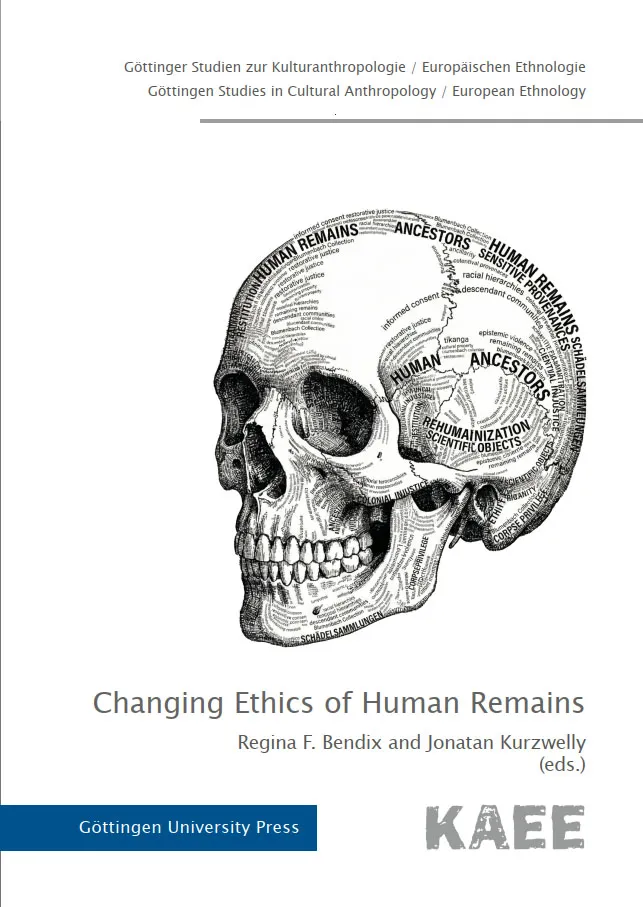
The treatment of human remains in academic institutions has become a flash point in a shifting landscape of ethical concerns regarding the legacies of colonial injustice and contestable scientific practices. For centuries, the pursuit of anatomical knowledge relied on the commodification of colonial bodies, transforming individuals into objectified specimens.
The book Changing Ethics of Human Remains explores the complex and contentious transition from this legacy to the contemporary imperative of rehumanisation and restorative dignity.
In doing so, it exposes deep-seated disciplinary frictions between the traditional preservation of scientific collections and the moral urgency of restitution.
Through a diverse range of theoretical frameworks and global case studies, the contributors examine how the status of a ‘collectible scientific object’ is fundamentally transformed when reclaimed as an ancestor.
By placing academic accounts alongside the perspectives of descendant communities, the book addresses the evolving legal, cultural, and diplomatic practices surrounding provenance research.
It also confronts the ethical burdens of caring for the remaining remains. Ultimately, by acknowledging that modern academic disciplines share the genealogy of the colonial practices they now critique, the volume recognises that restitution offers a necessary, yet only partial, redress to the profound disruptions of the past.
With general chapters and case studies from New Zealand, Tanzania and Palau