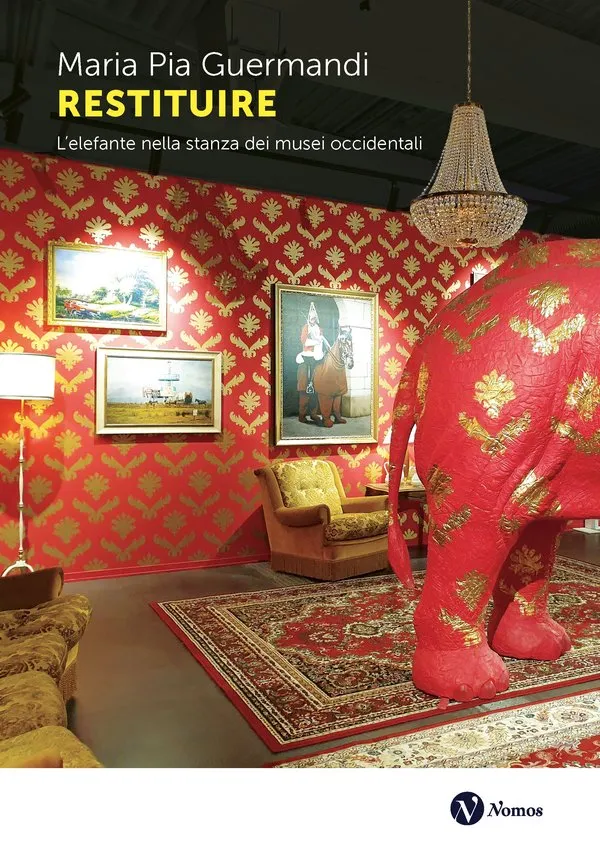
For over a century, the debate over the restitution of heritage stolen during colonial expansion has remained locked within a system of rules constructed by the West to protect itself and established power structures.
International conventions, principles of non-retroactivity, and museum narratives have transformed the issue into a minefield of ambiguity, delays, and ideological resistance.
Examining key legislative passages—from the 1970 UNESCO Convention to the 1995 UNIDROIT Convention—the book shows how international law has often guaranteed the continuity of colonial hierarchies, rather than their reparation, thus undermining restitution claims.
Source: You Tube
However, in recent years, the legal framework seems to reflect a changing political and social attitude.
The essay presents several cases, from the celebrated Parthenon marbles and Benin bronzes to lesser-known ones, such as the heads of the zodiac animals from the Summer Palace in Beijing. These cases are chosen as testimony to the many phases of the history of colonial heritage, in its political, ethical, and legal aspects.
Moving between history, politics, anthropology, and law, Restituire reveals the mechanisms of power that have shaped Western ideas about cultural heritage and museum universalism, and highlights alternative visions emerging from indigenous movements and “source” countries. It is a journey into the ongoing contradictions of contemporary cultural justice and an invitation to radically rethink the future of museums and global relations.
Maria Pia Guermandi about RM*: ‘RM* played a valuable role in my research’