Livia Solaro investigates how a museum—especially one with a problematic past, such as an ethnographic institution—can critically confront its colonial heritage while keeping the public informed and actively involved in the process.
In this moderator-led discussion, we examine the mechanics of memory, looking at how history is recorded and retrieved. With Kwame Boafo, scholar and artist from Accra, Ghana, and Peter Jegede, Nigerian archaeologist and museum curator.
How do museum-exhibitions enable visitors to critically engage with the complex histories of colonial collections and reflect on their potential (re)distribution? The Wereldmuseum Amsterdam’s Unfinished Pasts: Return, Keep, or...? brings this question into curatorial focus. Pao-Yi Yang assesses how its interpretive design both deepens and complicates the viewing experience.
Andreas Giorgallis argues that prevailing approaches often frame decolonisation as a series of discrete corrective interventions, rather than as a challenge to the structural foundations through which heritage is constituted and governed. Unless the enduring colonial architectures embedded in these frameworks are addressed, decolonisation risks remaining symbolic rather than transformative.
Kate Fitz Gibbon notes that Chinese cultural claims to the return of artifacts looted during the attack on the Summer Palace in 1860, the Boxer Rebellion of 1900, and the Japanese invasion in the first half of the 20th century support the country's anti-Taiwanese and nationalist propaganda. But she also wants China to become more self-critical, not to exaggerate about the number of lost relics and to also tackle the abuses in its own country.
[in French] Session: Does the emergence of a legal framework for the restitution of African cultural property play a sufficient role in the reparation enterprise following colonization?
Open Restitution Africa (ORA) describes restitution as a pan-African process of remembrance, research, and the digital sharing of knowledge – an interview with Chao Tayiana Maina and Karen Ijumba. 'The bulk of the work in the restitution lies on the African side: the work of reintegration, the negotiation, and supporting people in dealing with the return of the artifacts.'
Ganga Rajinee Dissanayaka explores how heritage, power, and narrative relate to each other, and how the subtle, insidious dependencies shape who tells the story of a culture in 2026 and who becomes little more than a footnote at the back of a museum. In Sri Lanka, Vedda cultures, coastal Muslim traders, Tamil ritual practices, and Catholic-Sinhalese syncretism could be studied ethnographically, none qualified as heritage.
During his visit to Kenya, French President Emmanuel Macron said the process of returning African artworks looted during the colonial era had become "unstoppable". But, despite a growing number of restitution requests, France has returned only a handful of artefacts to its colonies.
Samuel Bachmann (Bern Historical Museum) argues: If museums are to confront their – and Switzerland’s – coloniality, they require a new mandate: one that questions their interpretive authority and addresses fundamental questions about why, and for whom, cultural heritage is preserved, researched and communicated.
Culture Minister Samira Tovela announced Mozambique’s official effort to reclaim around 800 colonial-era artworks stolen during colonization. The process, supported by UNESCO and EU nations, comes ahead of the country’s 50th independence anniversary in June. The cultural and symbolic value is estimated at over USD 100 million.
Plunder stolen from Ireland and stored in museums of former colonial powers should be returned. But there is no list of what is held abroad in ‘post-colonial museums’. Culute Minister also said that restitution cannot be a one-way street.
Minister Patrick O’Donovan said there was a “compulsion” on former colonial powers to return “loot” taken from people against their will.
The conference 'Museums as Monuments to the Colonial Troops?' brings together historians, artists, curators and artists to examine the artefactual history of colonial warfare in three former German colonies: Togo, Kamerun and German East-Africa.
Ahmed Mohammad examines Germany's new Coordination Council for Returns of Cultural Property and Human Remains from Colonial Contexts — weighing what it genuinely achieves against the structural challenges that remain. The council's limitation is that it remains unclarified whether it will issue binding rulings or operate in an advisory capacity. The question of human remains is where this limitation is sharpest.
The Restitution Law, approved by the French parliament, evokes all sorts of reactions. Most are quite similar (and positive). Senegalese philosopher Souleymane Bachir Diagne has serious doubts about it.
Books, oral histories, artefacts, images, textiles, posters, manuscripts, architectural documentation, and cultural records across Africa, the diaspora, and the Global South. It contains 70 locally indexed records · 300,000+ archive horizon · static-hosted discovery architecture, etc.
While Germany appears keen to expedite the conclusion of the negotiations with Namibia concerning the genocide committed against the Ovaherero and Nama communities between 1904 and 1908, the Namibian position reflects that the matter remains unresolved. Namibia continues to advocate for a comprehensive reparative framework grounded in five key elements: restitution, compensation, rehabilitation, guarantees of non-repetition, and satisfaction. Sarah Negumbo, the Director of Namibia Library and Archives Service, provides further insight into the historical, legal, and ethical dimensions underpinning these demands.
Thomas Fues (Dekolonial Erinnern) is monitoring all restitutions from German museums and universities to former colonial regions. Wherever possible, with a source. In 2026, Māori taonga („Pou of Hinematioro“) was returned to New Zealand by the University of Tübingen.
Over 1,000,000 known African artefacts unwillingly held outside the continent. Of these, less than 1,000 have been returned... The Open Restitution Project is an Africa-led project seeking to open up access to information on the restitution of African material culture and human ancestors, to empower all stakeholders involved to make knowledge-based decisions.
Vast majority of Africa’s cultural legacy remains abroad, where institutions claim superior care, shared human heritage. Three African analysts comment. ‘Biggest issue is changing the historical narrative that excluded us.’
[English version, French version] In 2025, the tribal art market returned to its cruising speed. With a turnover of €42.7 million, it followed the trajectory of previous years: more selective, more demanding, yet also more cautious.
[ in Dutch, in French] That this issue has received increasing attention is partly due to two important issues, namely the question of the restitution of works of art looted by the Nazis to relatives of victims of the Holocaust and the question of the restitution of cultural heritage objects illegally acquired during colonization by Western countries. Three Wednesday afternoons.
Laura Petersen argues that authors and artists have also taken up a responsibility for restitution. Deploying the literal translation ‘making-good-again’, this book focuses on the ‘making’ of law, literature and visual art to argue that restitution is a practice which is found in different genres, sites and temporalities.
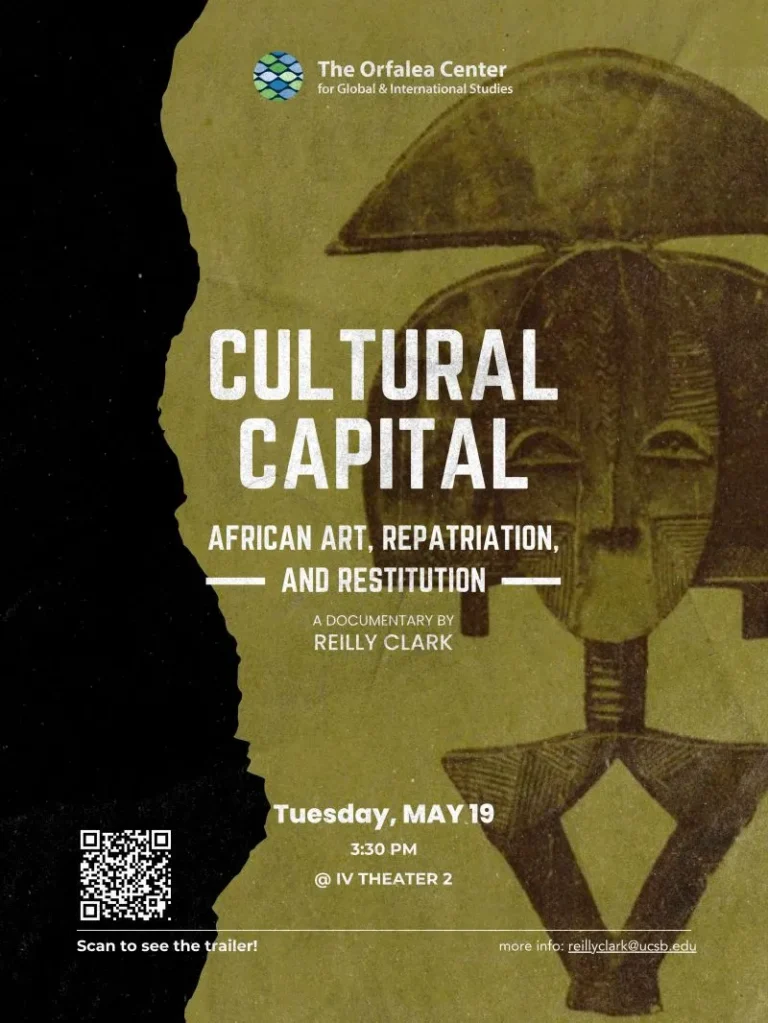
'Cultural Capital: African Art, Repatriation, and Restitution', a critical documentary by Reilly Clark on art from Africa in western museums, will be released on 19 May 2026.
Please join the Denver Art Museum’s Native Arts and Provenance departments, along with special guests from the Nelson-Atkins Museum of Art and the Art Institute of Chicago, for a lively panel discussion on the vital role provenance research plays in museums.
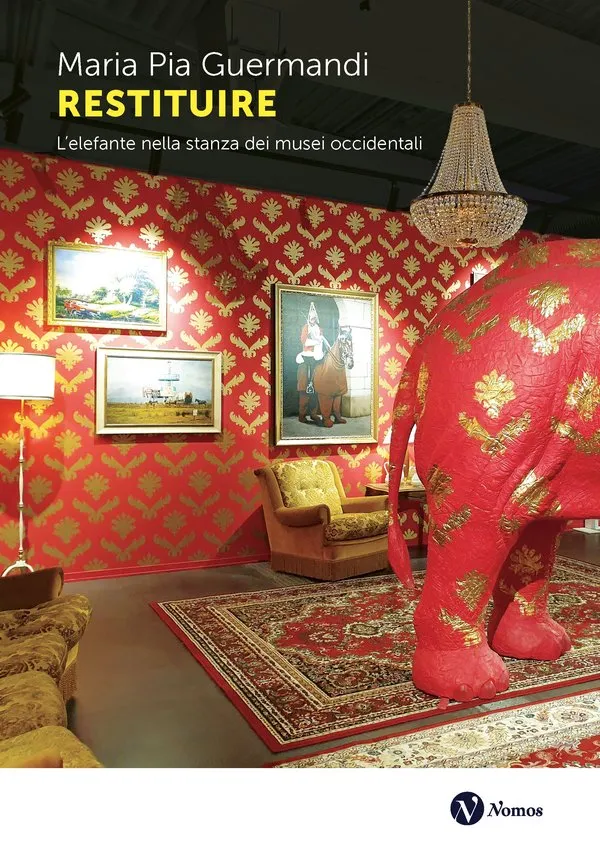
[Italian] In “Restituire”, Maria ia Guermandi reconstructs, with historical precision and critical clarity, the complex path that has brought the issue of restitution from the halls of the UN to museum policies, from the claims of African countries to the struggles of indigenous communities in so-called settlement colonies.
[in German, partially in English] In Germany, the federal, state and local governments decided to establish the "Coordination Council for Returns of Cultural Property and Human Remains from Colonial Contexts". The secretariat will be located at the Federal Foreign Office.
The Africa Institute, Global Studies University, in collaboration with the Open Society Foundations, announces its annual fellowship program themed, “Restitution and Reparation: Africa and the Post-Colonial Condition.” The program will convene scholars or practitioners interested in restitution and repatriation issues related to African art and artifacts.
The chair, which will be launched on 22 June 2026, will address issues related to illicit trafficking, restitution and the management of collections originating from colonial contexts.
Mirjam Shatanawi gives an overview of Islamic collections in the Netherlands, focusing on their presence in museums, libraries, and archives. It provides a critical overview of how these collections have been shaped, preserved, and interpreted, with particular attention to the enduring influence of colonial perspectives on Indonesian Islamic traditions. Examples will be given of objects from Java, Sumatra and South Sulawesi.
The Center for Art Collection Ethics (ACE) at the University of Denver (DU) announces a hybrid training program: Provenance Research Today: Issues, Resources, and Networks. The program is geared toward graduate students and emerging museum and art market professionals.
An important moment! Congolese and Belgian experts presented their recommendations for the future of institutional provenance research at an open forum: ‘The current framework is insufficient.’
On 25 February 2026, the Togolese cabinet approved a draft law to establish a restitution committee. The committee will seek to repatriate tangible and intangible cultural heritage, as well as human remains and archives from colonial contexts. The bill refers to over 8,000 „objects“ currently held in foreign museums. They predominantly come from northern Togo.
Museums in a country like Ghana have an impoortant function in preserving ervidence of the past and in shaping together the country's history. A self-critical look from Ghanaian professionals in their museum practice, especially that of the National Museum.
Reporters from the Chinese newspaper Global Times visited Japan and found that looted Chinese cultural relics are being displayed and even promoted as militarist "trophies," including at a notorious shrine. History must not be distorted, and heritage must not be plundered. But to this day, Japan has not returned these looted relics. Instead, it has attempted to conceal and deny this history.
How can we trace and reconstruct the provenance of objects, collections and ancestral remains that were amassed in the past, and are now placed in museums as mundane and lifeless objects frozen in a timeless past without adequate information and context? The renewed interest in provenance research can be understood as part of the broader agenda to decolonise these museums.
Kedleston (north-west of Derby) houses an impressive collection of paintings, sculptures and furnishings, some collected by the then Viceroy of India, George Nathaniel Curzon during his travels. The exhibition sheds light on previously untold stories. Encounters, a new film by British-Tibetan artist, Nyima Murry, brings to life the artefacts.
Alioune Samb writes: As part of my research, I developed and tested a system called SYDOCOM. Not to “add voices”. But to create conditions where different forms of knowledge can exist without being reduced to a single authorised version.
[in Dutch] On the occasion of the International Day of Remembrance of the Victims of Slavery and the Transatlantic Slave Trade, the Faculty of Arts and Philosophy in Antwerp is organising an event on postcolonial history and culture: we will enter into a dialogue on African cultural heritage in Western institutions.
[in French] Congolese and Belgian experts presented their recommendations for the future of institution-based research at an open forum: "The current framework is insufficient". The provenance search is relevant, but it must neither condition nor delay the restitution. Today, Belgium and the DRC must move forward with concrete actions.
[in French] The PROCHE project, implemented by the Royal Museum for Central Africa, is part of the 2022 Belgian law on the restitution of colonial collections. It aims to retrace the conditions of acquisition of the museum's so-called "ethnographic" and musicological objects, in close collaboration with Congolese institutions and cultural actors.
[in French] Yasmina Zian, Aline Bosuma, Alexandre Chevalier and Laurent Licata make critical remarks about Belgium's decolonisation of museums effort. Belgium keeps control over decisions and there is a lack of a balanced dialogue with the DRC.
Thomas Laely writes: The debate on the repatriation of (in)tangible cultural heritage and belongings has developed a broad dynamic in recent years. This sudden activism raises questions. What is its background, what are the goals behind it, and how are they to be achieved? Is it primarily about African or rather European interests?
Repatriation is urgent and important work and should be recognised as one of the UK museum sector’s top priorities. It is widely acknowledged that a lack of funding and capacity are two of the main reasons that more museums in the UK do not engage with repatriation, writes Amy Shakespeare.
President John Dramani Mahama has sent a clear message to the international community: the time for "ceremonial language" regarding Africa’s historical injustices is over.
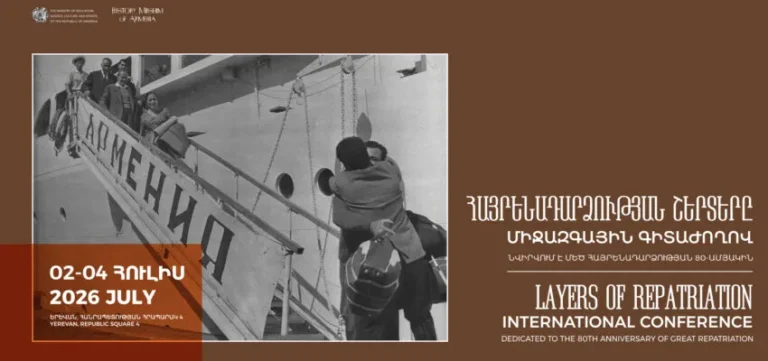
The History Museum of Armenia is organizing the “Layers of Repatriation” international conference, dedicated to the 80th anniversary of the great repatriation movement, which aims to rediscover museum collections related to the topic and discuss the different social, cultural, and historical layers of the phenomenon.
[in French] After the Porto-Novo symposiums in 2022 and Yaoundé in 2023, after several days of study in Paris, the Dakar symposium is the final stage (or almost) of 5 years of research, publications, meetings of the international program "Returns: geopolitics, economies and imaginaries of restitution".
In the last hundred years, France has restituted only twenty-nine looted artefacts to Africa (26 to Benin, 1 to Senegal, 1 to Côte d’Ivoire, 1 to the Malagasy Republic). At this rate, how long will it take France to return the other 96 971 looted African artefacts in France? Kwame Opoku points to an African scholar and his troubling support who actively enables the Louvre/Musée du Quai Branly to retain, among others, the statue of Gou, the Vodun divinity from Benin, in Paris.
[in English, in Mozambiquan Portuguese] The five texts in this richly illustrated issue nr. 9 of Troubles dans les Collections trace how new local contexts in Mozambique and global debates have resonated in the country since the restitution debate gained heightened visibility. Civil society actors play a crucial role in raising the restitution issue.
[in French] Issue 2025/8 of L’essor des contre-muséologies is about several types of museums. Confronting the dominant model of the museum—born of the French Revolution and rooted in bourgeois values—reformist museologists strive to democratize it, while popular or community-based initiatives attest to its rejection.
Much of the scholarly attention for decolonisation and restitution in English has centred on developments in the Anglophone world. A special Issue - Portuguese Studies Review will bring together new studies on parallel and emerging developments within the Lusophone (Portuguese-speaking) world.
Restitution of cultural property is gaining momentum across Africa, framed not as symbolic but as a fundamental right. Senior officials, ambassadors, scholars, and international representatives gathered in Addis Ababa to debate restitution as a pillar of justice and identity.
[in French, in English] Since the 1990s, new forms of discourse and mobilization have emerged to question Belgium’s colonial past and postcolonial present. Journalists, researchers, archivists, community activists, artists, members of the African diaspora, former colonists and their descendants, national and political players, etc. have contributed to putting the issue of colonial legacy on the public agenda.
While Britain has shown little inclination to even seriously consider restitution of the Kohinoor or other cultural artefacts taken from India, several European countries have begun doing so, with the Netherlands emerging at the forefront. While doing so, all sorts of challenges pop up.
The British Museum’s attempt to frame its decision to ‘share’ a few colonial-era artefacts with the Chhatrapati Shivaji Maharaj Vastu Sangrahalaya (CSMVS) in Mumbai as a move to ‘decolonise’ its collection has been ridiculed by art historians as a ‘con’. There’s only one way to show contrition: return the stolen goods.
The protection of cultural heritage is increasingly shifting towards favouring the return of cultural property to its people of origin. Evidence of this shift can be found in a more intentional distinction between cultural property rights on the one hand, and traditional rights in rem on the other; the strengthening of international cooperation; as well as the reconstruction of traditional doctrines.
The V&A’s collection includes nearly 200 Ethiopian objects – from metalwork and textiles to photography, manuscripts, and paintings. One of the most exciting outcomes of this research, Molly Judd writes, was uncovering records for objects that had effectively become hidden within the collection.
For decades, the demand for colonial reparations in Africa was treated by Western capitals as a rhetorical exercise — a radical plea from the fringes that could be safely ignored or pacified with vague “expressions of regret.” By the end of 2025, however, that era of Western comfort officially ended in Algiers.
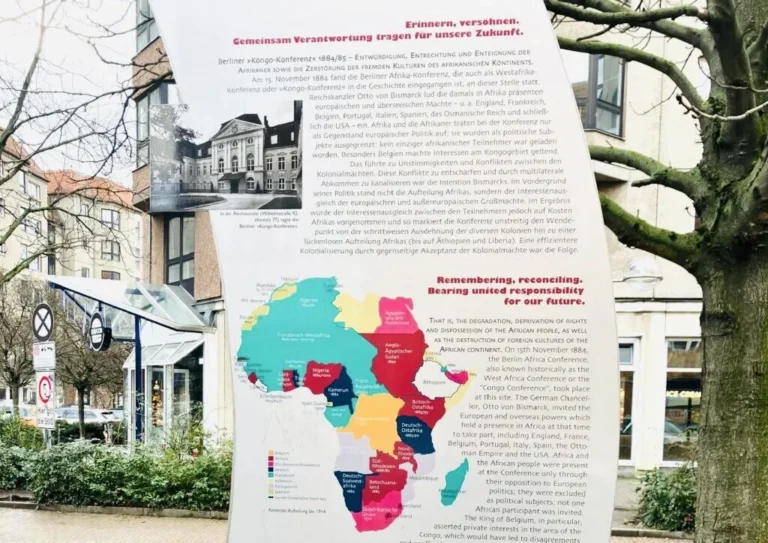
Between 1896-1916 today's Burundi was a German colony as part of what was known as ‘German East Africa’. Not only in colonial historiography, but also in provenance research, Burundi has been largely underrepresented and, similar to Rwanda, stands ‘in the shadow’ of the reappraisal of the material cultural heritage of present-day Tanzania.
For several years, the Wereldmuseum in the Netherlands has actively engaged in provenance research, focusing on the unequal power dynamics that shaped the collection of objects amidst European colonialism. Daantje van de Linde and Karolien Nédée investigate this approach. 'The broader discipline is still in its infant years, and its goals and research methods are continuously developing.'
For an issue about 'Measuring Cultural Heritage: Indicators for Cultural Heritage Law and Policy Development', the e-journal Santander Art, Culture & Law Review welcomes contributions from legal scholars, policymakers, cultural heritage practitioners, and interdisciplinary researchers. Submissions should offer original research, comparative analysis, or innovative methodologies that contribute to the understanding, assessment, and governance of cultural heritage.
As Africa enters 2026, its museums stand as vibrant guardians of the continent’s layered history, from ancient pharaonic legacies to the scars of colonialism and the triumphs of independence. Amid global conversations on cultural restitution, with artifacts slowly returning from European institutions, new and revitalised venues are reshaping how Africans and the world engage with the past.
[ in French ] The AfricaMuseum in Tervuren, Belgium, changed from a ‘museum for colonial propaganda’ and a ‘museum of avoidance’ into one that ‘multiplies voices on colonial history and its persistence’, says historian Yasmina Zian.
‘Time for Papua’ brings different perspectives together: from refined wood carvings and korwar figures to prauw prows and recent film works. You see how creators make history tangible, how objects form relationships, and how a dynamic perception of time clashes with imposed boundaries and economic interests.
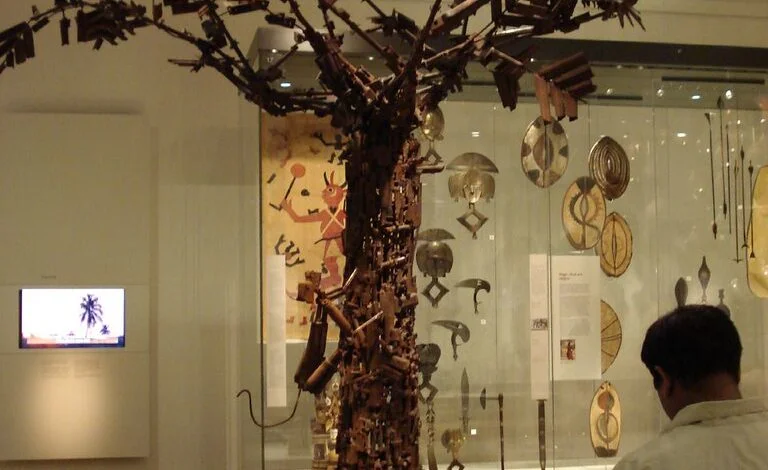
A new gallery at the Manchester Museum displays thousands of African artefacts, aiming to spark discussion on colonial-era looting and restitution. The initiative seeks public input on the origins and returns of these items, amid growing calls for repatriation of looted cultural heritage.
In recent years, there has been growing recognition that these collections carry painful legacies. In all these engagements, two words are often used: repatriation and restitution.
At first glance they may seem to mean the same thing, and both involve the return of something. But as South African scholars, working in the fields of history, museum studies and human biology, Victoria Ribbon and Ciraj Rassool argue that the difference between these terms is not just semantic. The choice of word reflects deeper politics of justice, recognition and repair.
The conference theme will reflect the project’s focus on equitable collaboration, community-engagement and revisiting the ways in which collections are acquired, interpreted and shared. This year we’re rethinking what a conference can be. Dates: 23-24 April 2026.
To exhibit taonga is not simply to interpret the past. It is to enter a living relationship with an ancestral presence. Museums do not own taonga. At best, they are temporary caregivers, and increasingly, digital co-stewards.
[ in French ] In the 19th century, the concept of "Asian art" gradually gained prominence in the European market, driven not initially by collectors, but by dealers, the true intermediaries between Asia and Europe. This phenomenon took root in a context of forced opening of Asian territories: the Treaty of Yedo (1858) with Japan, the Treaty of Tianjin (1858-1860) with China, and the Treaty of Saigon (1862) with Vietnam.
Call for Papers for the 12th Annual Conference of the Amsterdam School for Heritage, Memory and Material Culture. The conference 'Unsettling Heritage and Memory Futures: Decolonial Trajectories Between Crisis and Possibility', will take place on 17, 18 and 19 June, 2026.
[ in English and in German ] The Museum der Kulturen Basel is systematically examining its collection for coloniality and highlighting the central importance of collaborating with communities in the Global South.
The Indonesian phrase pasang surut — “the tide in and out” — evokes the continuous movement of people, objects, and ideas across the seas that once linked Europe and the Indonesian archipelago. These currents shaped the emergence of colonial collections but also suggest the possibility of renewed circulation: of knowledge, accountability, and dialogue.
December 15th, at 4 pm (Lagos time), the International Repatriation Network (IRN) will host an online session exploring what restitution and repatriation mean for diverse communities and stakeholders in Nigeria today.
In an address delivered in Algiers, the Caribbean Community (Caricom), unveiled a comprehensive ten-point plan calling for concrete reparations for the crimes of colonialism. This intervention strongly underscored the necessity of a unified, coordinated effort between Africa and its diaspora to confront centuries-long injustices, restore historical rights, and secure meaningful mechanisms for recognition, compensation, and restitution.
Senegalese economist and thinker Felwine Sarr called for a deep reconsideration of the museum, its history, its functions, and the narratives it upholds as African artworks dispersed across Western museums gradually return to the continent. Africa should rethink museum models.
'Investigating Online Heritage Crime - New Directions, New Technologies, Emerging Markets' offers an introduction to a crucial new field of interest to all heritage researchers.
[ in Dutch ] Collaborative research between heritage institutions in Europe and heritage communities outside Europe offer a unique opportunity to democratise the production of knowledge about the past, the present ,and the future, writes Katrijn D'Hamers (p. 72 ff).
Africa has renewed its most assertive push yet for historical justice (including restitution), as ministers, jurists, and diplomats gathered in Algiers for a landmark conference on the criminalisation of colonialism.
The Catalan project "(Tr)African(t)s. Museums and collections of Catalonia in the face of coloniality" has recently created a travelling exhibition titled “To whom does history belong? Struggles for the decolonization of museums". This exhibition “invites us to reflect on the role of museums in colonial history and to rethink heritage from a critical perspective."
The Art of Status: Looted Treasures and the Global Politics of Restitution examines the relationship between looted art and international status, by focusing on the debates about acquisition and restitution of the Parthenon Marbles, Benin Bronzes, and a never before written about collection of Nazi-looted art housed in the National Museum of Serbia.
There’s a shift in museums of the global north. They have begun to decolonise. Finally! But the weird thing is the ones who are leading this shift are the descendants of those who stole, murdered, oppressed. Is this one of our blind spots? It is high time to sit in our discomfort, for serious self-examination, and for a shifting of power dynamics.
The aim of the project is to reveal and connect all collections of material made in Africa that are held in 32 Scottish museums, including lesser-known as well as better-known ones, and to connect these collections with relevant and interested diaspora and descendant communities.
The UK Government is to implement a change in law that will make it easier for museums in England and Wales to restitute objects from their collections on moral grounds. But national museums will be excluded from new rules.
University collections are more than any others, linked to the definition and transmission of knowledge. The Musée L, UCLouvain's university museum, is launching a new open-access online scientific journal dedicated to university collections and museums: UniMusea – Research and Practices on University Collections.
Phillip Ihenacho, director and chairman of the Museum of West African Art (MOWAA), has watched the restitution debate unfold with both pride and concern. Pride, because it signals a long-overdue recognition of West Africa’s cultural heritage; concern, because too often the conversation is shaped by Western priorities rather than African ones.
[in English, in German] Thomas Fues sees many positive elements in the Joint Guidelines. which the federal government, the states and local authority associations adopted on 14 October 2025. They have some good guidelines but challenges remain as well.
Elias Feroz interviews Dan Hicks: Monuments, museums, and cultural institutions were often created in the image of “militarist realism,” presenting colonialism and enslavement as eternal. Undoing this legacy is not erasing the past but combating a pernicious ideology.
From the crowns of Ethiopian emperors held abroad to the mummified remains of African ancestors still stored in Western institutions, the theft of Africa’s sacred heritage represents a deeper violence. Those which we speak of, are not mere museum exhibits; they are vessels of ancestral power and collective memory. Their continued displacement denies Africa’s children the right to know and connect with their lineage.
Kwame Opoku looks back at the year 2025. Two fragments, one about the Western dedain for looted objects and human remains. The other about a publication of Open Restitution Africa. But first, a positive event.
Cyprus is a much negelected spot in colonial history. This documentary Film trailer by Zimbabwean artist Sithabile Mlotshwa is made possible through a collaboration with historian Paraskevas Samaras and videographer Michalakis Georgiou with contributions and support from Dinos Toumazos, Agora Dialogue, Oz Karahan and others.
In an address at the 2025 Conference of the African Bar Association (AfBA) in Accra, Chief Charles A. Taku of the AfBA Reparations Committee, made an impassioned appeal for what he termed “The Accra Declaration” — a continental demand compelling Europe and the West to pay reparations for the centuries of slavery, colonialism, and cultural theft inflicted upon Africa and its peoples.
The International Seminar on the Return of Cultural Heritage under the auspices of the 2025 Brazil BRICS Presidency will take place on 10 and 11 November and is organized by the University of São Paulo [ USP ].
Over 4.250 respondents from Zimbabwe, Ghana, Ethiopia, South Africa, Morocco, Egypt, Nigeria and Mali participated in a survey, expressing that return of artefacts is an essential party of reparations to the continent.
At the G20 meeting, South African Minister for Sport, Arts and Culture, Gayton McKenzie, champions cultural restitution and digital equity at the G20 summit, advocating for a fairer future. Each G20 member state should have a restitution committee.
[ in German ] Berlin Postkolonial, Decolonize Berlin, and Flinn Works welcome the update of the “Joint Guidelines on Dealing with Cultural Property and Human Remains from Colonial Contexts.” Clearer procedures and the establishment of unconditional returns are steps in the right direction. At the same time, the guidelines fall far short of a human rights- and international law-based understanding of restitution and repatriation.
[ in French ] The French government intends to go further with a bill that could become a landmark law in this area. What are the terms of the bill, and why does it potentially represent a historic turning point? Catharine Titi writes....
[ in German ] The 2025 Guidelines promote dialogue with societies of origin and descendants, interdisciplinary provenance research, and proactive roles for museums, while they acknowledge the cultural, spiritual, and epistemological singularities of each case. They expand on communication channels for restitution requests, specifically notably requiring the consent of the state of origin, and call for a need to streamline procedures and call for an expert advisory body to be established to support restitution efforts. Further details on governance and the body’s specific mandate remain to be defined.
This kick-off seminar, led by Pietro Sullo, discusses the legal status of colonial artefacts from Africa held in European museums, clarifying whether there is a duty to repatriate them. The research hypothesis is that European states have a legal duty to return colonial artefacts acquired without the consent of the communities of origin.
The colonial collections in public museums and the private sector in Italy are not less substantial than elsewhere in Europe. Italy has made some significant returns. Nevertheless, this blog argues that the country is much better at reclaiming its own stolen relics than at accepting the consequences of the investigations into its colonial collections.
When tourists tread the halls of Sri Lanka’s national museums or glance over the plaques at sites of historical significance, they are reading stories of the past. But whose? Sri Lankan ethnographer Ganga Rajinee Dissanayaka wonders who made that judgement of what is worth saving, worth memorialising, worth forgetting?
The Director of the Museum of Black Civilisations in Dakar Mohamed Abdallah Ly reflects on the urgent need to decolonize cultural institutions, the symbolism of absence, and the politics of restitution. He also discusses efforts to reconnect the museum with diaspora communities and reimagine its role in Africa’s cultural and intellectual future.
This special exhibition is dedicated to a long-overlooked collecting practice: The collection of objects by Catholic and Protestant missionary societies – primarily during the 19th and early 20th centuries.
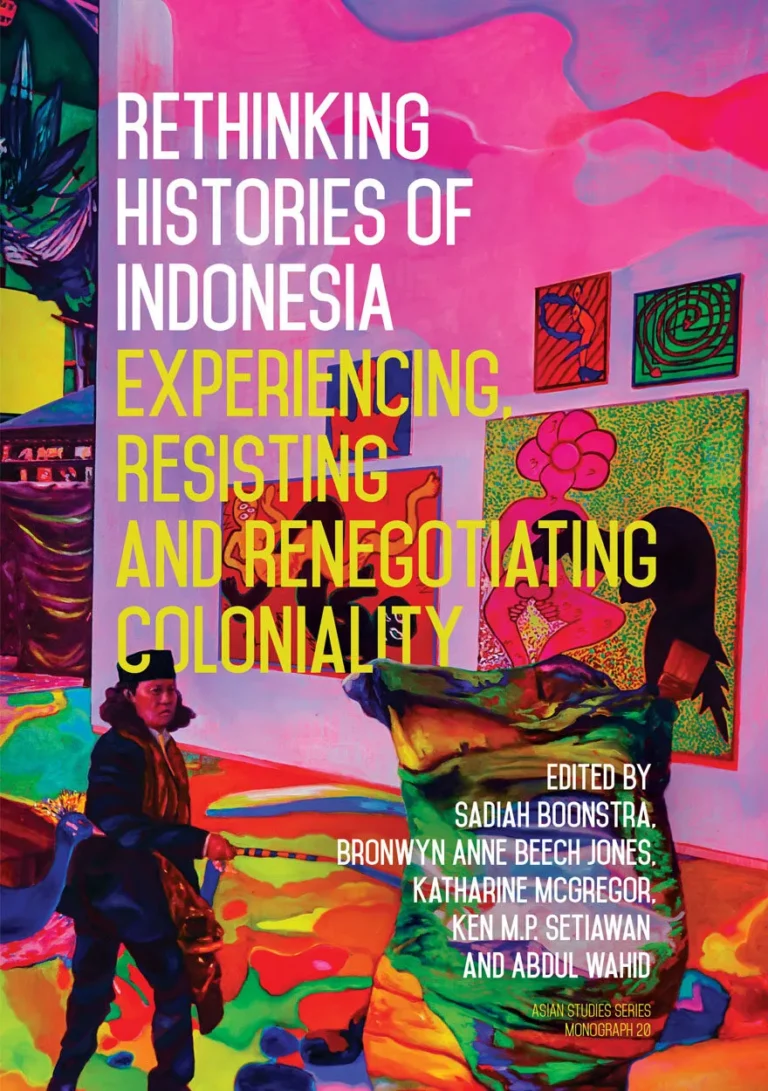
In 'Rethinking Histories of Indonesia - Experiencing, Resisting and Renegotiating Coloniality', editors Sadiah Boonstra and others provide a critical evaluation of histories of Indonesia from the formal period of colonisation to the present day. The volume approaches Indonesian history through the lens of coloniality, or the structures of power and control that underpin colonisation and which persist into the present.
Christian missionary collections have contributed much to the development of the exhibitionary complex, but have received significantly less notice than imperial states using violence to acquire collections, and subsequent demands for restitution.
First Nations leaders talked about the need to develop a national repatriation strategy for artifacts, cultural items and ancestral remains at the Assembly of First Nations (AFN) annual general assembly in Winnipeg.
Kulasumb Kalinoe (East Sepik area, Papua New Guinea; currrently James Cook University, Australia) focuses on the collection and removal of cultural material from Papua New Guinea (PNG) during the colonial era. She discusses views among the Papua New Guinean diaspora in Australia on museums and PNG collections, and argues that cultural heritage issues must be addressed before the work of decolonisation can begin.
Ahmad Mohammed writes: Sacred objects, ancestral remains, and ritual artifacts remain estranged from the communities that created and cherished them. This condition is what many scholars and practitioners now identify as cultural heritage alienation: the systematic displacement of heritage from its social, spiritual, and cultural lifeworlds into the frameworks of Western curatorial authority. But community control is crucial.
Muhammad Nishat Hussain writes: The 100th anniversary of the first formal excavation at Harappa (Punjab, NE Pakistan) is more than a commemoration of a century-old dig. It is an opportunity to reimagine how Pakistan studies and safeguards its past. Since the 1970s the country has tried to regain lost treasures. In vain.
Nigeria should establish a bilateral negotiating group with Germany on reparations to pay for its crimes against humanity, comprising the indigenous peoples of Nigeria and other African nations. Not as charity, but as a binding act of justice and a guarantee that such atrocities will never be repeated.
Tilda Gladwell likes to divert your attention from news of war and geopolitical instability for just a moment to an equally pressing issue: the decades-long debate concerning repatriation.
In 2013, the AfricaMuseum near Brussels closed its doors and embarked on a major redesign. The architectural changes must have felt less challenging than the long overdue re-evaluation of the holdings and their presentation. Jeremy Harding reports.
[ in Dutch ] How are Belgium and the Netherlands dealing with the sensitive issue of returning looted art and researching its colonial origins? An exploration of some treacherous areas in the quagmire of new Dutch and Belgian restitution policy. A discussion between museum director Wayne Modest and activist Nadia Nsayi.
[ French translation ] La France débat actuellement de la création d’un cadre juridique pour la restitution des collections publiques historiques, principalement d’origine coloniale. La Belgique dispose déjà d’une telle loi. Ce court article propose une comparaison entre les deux dispositifs – la loi belge et le projet de loi français – en se concentrant sur trois points :
• l’approche centrée sur l’État,
• le champ d’application,
• la procédure de restitution.
Reclaiming stolen artefacts: Africa’s landmark museum at the heart of global discussion about restitution.
Senegal’s Museum of Black Civilisations is asserting Africa’s right to secure its cultural heritage and tell its own story.
Kwame Opoku writes: The French Minister of Culture presented a legislative text on 30 July to facilitate the restitution of artefacts in French museums by derogating from the principle of inalienability. It will not likely lead to a rush of restitutions from France. Excluding archaeological materials, military materials, and public records eliminates many objects. Archaeological finds from Egypt, Mali, and other African countries, such as those on the ICOM Red Lists, would be excluded.
This paper is the outcome of joint reflections by the two authors, based in Europe and in Africa. Since the diverse practices of restitution have attracted more attention than certain concepts related to it, this paper addresses this imbalance by focusing on conceptual issues.
The article 'Journey of No Return: The Impact of Looted Heritage on Nigeria’s Cultural Legacy' explores the profound impact of looted heritage on Nigeria’s cultural legacy, highlighting the historical, cultural, and economic implications of the plundered artifacts.
The path to true restitution requires more than symbolic gestures, demanding that Britain repeal its obstructive laws, France accelerate its glacial restitution process, and all former colonial powers establish transparent frameworks for repatriation.
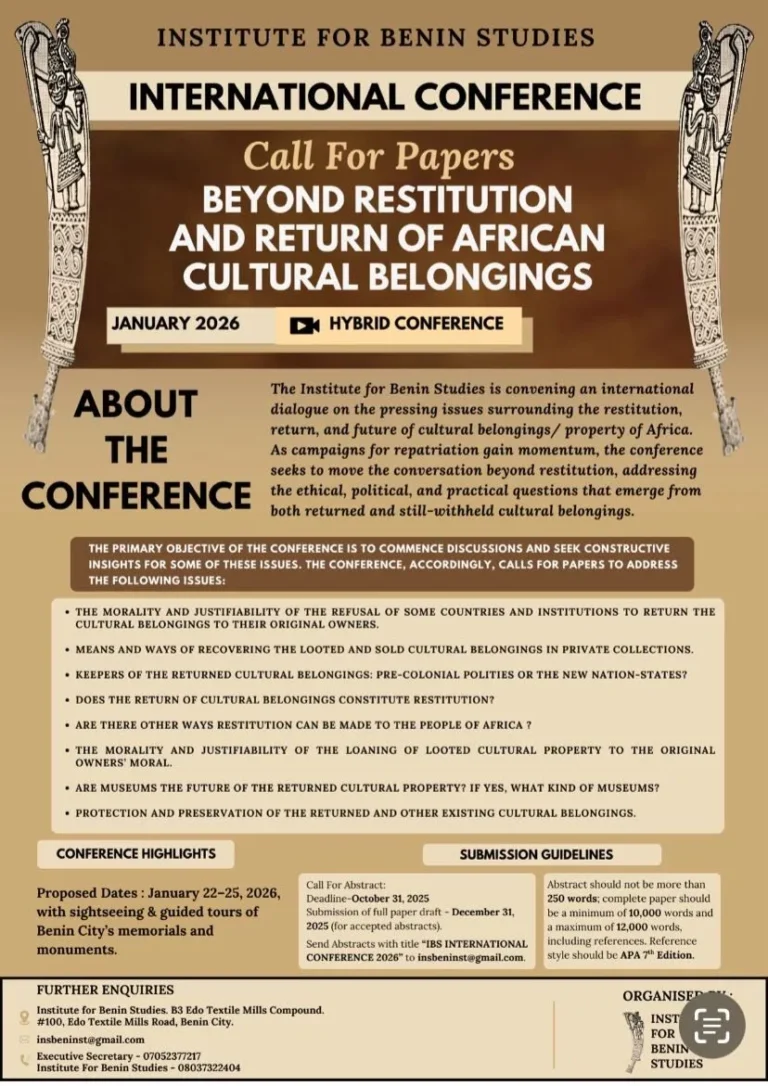
This year’s theme explores the material return, digital reunification, and recontextualization of Philippine artefacts, manuscripts, and sound heritage kept in institutions outside of the Philippines.
[ in Dutch ] Tervurologie sets its sights on the AfricaMuseum and radically bets on imagination - to think new Tervurens, plural. Not as escape, but as intervention. Not as recovery, but as restart. Not as an answer, but as another question. Tervurologie is an attempt at exorcism.
This article postulates that what we have seen in the past decade has been a turning point in memory politics of the colonial past, and it asks whether a new Franco-German paradigm in memory politics has emerged?
Southern Africa is spearheading a transformative shift in the restitution discourse. This shift means reframing restitution as an act of healing, justice, and empowerment for communities still grappling with the enduring scars of historical dispossession.
The exhibition explores the current debate surrounding collections gathered during the colonial period and the question of restitution. Visitors not only learn about the provenance of cultural objects but also to reflect on ownership, value, and the ethical implications of a colonial history that continues to resonate in museum collections today. [ English version and Dutch version ]
British Culture Secretary Lisa Nandy: “In the arts and creative industries, Britain and India lead the world and I look forward to this agreement opening up fresh opportunities for collaboration, innovation and economic growth for our artists, cultural institutions and creative businesses." (Not a single word about restitution)
Pope Francis died on April 20 at 88, marking the end of an epoch for the Catholic Church and the beginning of its search for the next spiritual leader, who will also become proprietor of the Vatican’s library and vast art collection.
At Galeria Avenida da Índia in Lisbon, Uriel Orlow’s exhibition Memória Colateral unfolds like a sensory mapping of historical violence and of how memory is inscribed – or erased – within Western structures.
The African Union (AU) has said that the Year of Reparations 2025 is about economic liberation and ending Africa’s systemic wealth drain. Onyekachi Wambu writes: 'Restitution is a key part of the agenda. it has been explicitly mentioned in all the AU related reparations meeting I have attended.'
The collection of the Musée des Rois Bamoun (MRB, Museum of the Bamoun Kings), located in Foumban in Cameroon’s West Region, testifies to the richness and diversity of the Bamoun Kingdom’s art, culture, and history.
[ open access ] 'Displacing and Displaying the Objects of Others - The Materiality of Identity and Depots of Global History' brings a diverse range of contributions inspired by research from the "Hamburg’s (post-)colonial legacy" research center.
The centuries-old African artifacts housed in European institutions and that are worth billions of dollars should be returned to the rightful owners, Global Black Centre (GBC) Vice President and the prominent historian Robin Walker said.
Since the later stage of the Qing Dynasty, many imperial objects have been moved to Europe due to a series of Sino-European wars. Perceived as having less material value, Qing imperial books, manuscripts, and scrolls are studied less by contemporary scholars.
A foundational handbook for critical heritage research about Africa and its diaspora. Part III African Objects and the Global Museum-Scape is relevant for RM*.
The State-centric discourse that surrounds Indonesia’s cultural heritage protection and repatriation policies impede locally-led activism related to cultural heritage.
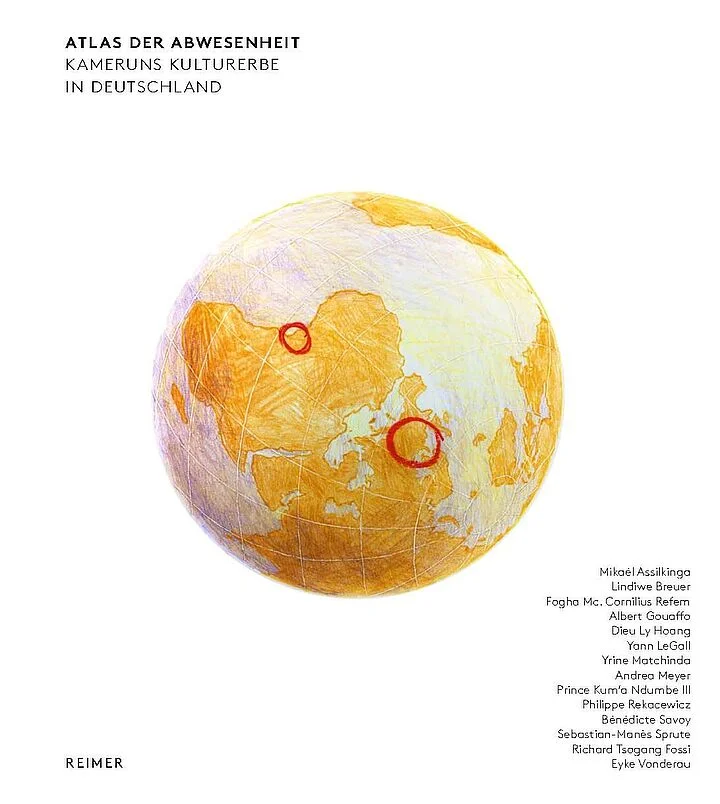
[ in German, English and French ] German museums of world cultures hold 40,000 objects from Cameroon, more than the entire African collection of the British Museum, according to a new study, presented by Bénédicte Savoy (Technische Universität, Berlin) and Albert Gouaffo (University of Dschang).
This article explores the ownership of cultural objects within national and traditional customary law in Suriname, with the aim to provide a legal context to the issue of claims for the return of some of these cultural objects from the Netherlands.
In Switzerland, the decolonization of ethnological and historical museums and collections is in progress. This is true in practice, especially by federally funded provenance research projects and by single restitutions of human remains and colonial objects.
The Cape Verde President, José Maria Neves, has called on African nations to unite in demanding compensation for the invaluable properties and artifacts stolen from the continent by colonial powers.
[ in English and in Dutch ] In April 2024, a Netherlands delegation visited Suriname and mapped out which objects are present in Dutch public collections through the colonial history of the Netherlands and Suriname.
During the European expansion constant fighting and violence and the taking of spoils of war went hand-in-hand. Palaces, shrines, homesteads and entire villages were plundered and destroyed. In the restitution debate, the focus is mostly on state-collections resulting from these confrontations. There is ample evidence, however, that many more parties were involved. This blogpost has soem of the evidence.
Why is research into colonial collections in the private sector - I mean art dealers, auction houses and private collectors - so tough? The main reasons is that most of them have built a wall around themselves, and there is rarely a hole in this wall through which an outside observer can look inside their closed bulwark.
Museums from Glasgow to Cambridge are proactively repatriating objects. Glasgow has become the first UK museum to repatriate objects to India (“a very emotional event”, as Glaswegians of Indian heritage said).
Mirjam Shatanawi's 'Legacies of Colonialism in Museum Collections - The (Un)Making of Indonesian Islam in the Netherlands' tells the untold story of Indonesian Islam in museums: Often overshadowed by Hindu-Buddhist art, Indonesian Islamic heritage rarely receives the attention.
Once, The Art Newspaper called the historical relationships of the art trade with museums a ‘foggy world’. That was in 2016. I dare say the relationship of trade with museums still is very foggy. How does this relationship look like?
Earlier in 2024, David Nolan Gallery in New York mounted the exhibition Fort Marion and Beyond: Native American Ledger Drawings, 1865–1900, gathering over 100 works on paper by Native artists from the Arapaho, Cheyenne, Hidatsa, Kiowa, and Lakota tribes.
With tens of thousands of African artworks in French museums, curators face a huge task in trying to identify which of these were plundered during colonial rule in the 19th and 20th centuries and should be returned.
Kodzo Gavua has called for an intensive education on the plunder of African cultural heritage objects and systems and the need for their return. Such efforts would help safeguard the nation’s cultural legacy and contribute to tourism and scholarly research.
[ in Dutch ] Museum Huis Doorn in the Netherlands, the exiling place where Wilhelm II lived until his death in 1941, owns 36,000 objects from the ex- emperor. How many of these have a colonial origin, and whether there is colonial predatory art, for example, the museum did not know until recently.