Mshatta’s extraction and translocation stressed the antiquity law’s ineffectiveness. The directors of the Müze-i Hümayun’s in Istanbul, Osman Hamdi and his brother Halil Edhem (1861–1938), worked on protectionist campaigns against Western access to ancient sites and the exodus of cultural assets to foreign museums.
Consequently, they amended the legislation in the winter of 1905/06. The Antiquities Law of 1906 shaped German-Ottoman relations concerning archaeological undertakings until 1918.
After 1906, German excavation enterprises faced the legal situation that they could obtain excavation permits. However, it was not possible to export objects legally.
Max von Oppenheim received his permit for Tell Halaf in 1909. The Sublime Porte emphasized that excavated antiquities would become state property. Eventually, the permit ordered the excavator to comply with ‘the rules and regulations mentioned in the Antiquities Law.’In 1911, the Ottoman authorities reminded Oppenheim that he was prohibited from exporting antiquities. The future excavator accepted all conditions for his archaeological undertaking.
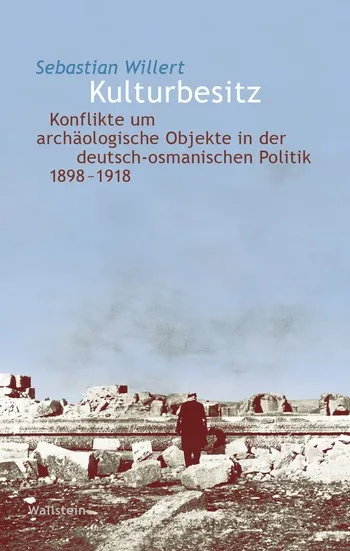
Sebastian Willert is the author of Kulturbesitz – Konflikte um archäologische Objekte in der deutsch-osmanischen Politik …