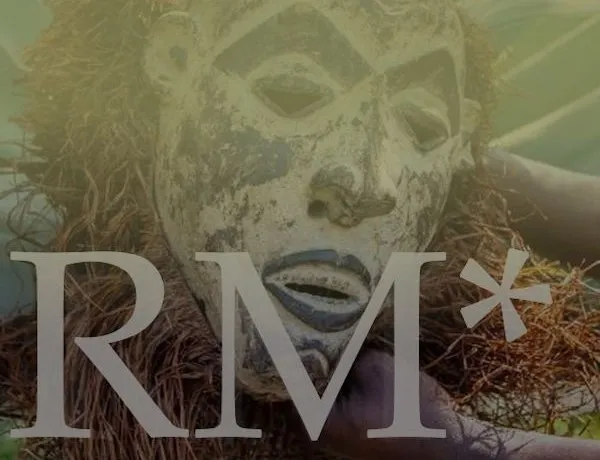
When it comes to Ancestors and cultural belongings, the communities, people, families and custodians did not consent. The arguments of “things were different back then” intentionally erase the resistance by people and communities who fought against the looting, theft and displacement of their Ancestors and cultural belongings.
- 1830s: A Māori Chief travelled to Sydney for the return of fourteen Māori toi moko held by a Scottish skipper.
- 1890s: The Six Nations Confederacy (Cayuga, Mohawk, Oneida, Onondaga, Seneca, and Tuscarora) sought to recover wampum belts illegally sold by a wampum keeper. Whilst a lawsuit in New York failed, the Six Nations successfully retrieved several belts in 1894 from the reserve in Ontario.
- 1907: Wolf Chief, who did not have clan authority to sell a sacred Hidatsa shrine, sold it to a Presbyterian minister for the Heye Museum. The Water Buster (Midi Badi) Clan campaigned for its return for decades. The sacred belongings were returned to the Hidatsa Tribe in 1938.
- On Return Reconcile Renew, Paul Turnbull describes how Australia’s First Peoples actively resisted grave robbers from stealing and plundering burial sites.
There is a pressing need, writes Newton in her Birmingham Uni profile, to re-evaluate the distribution of responsibilities in repatriation claims. Indigenous communities and their representatives often bear excessive pressure and responsibility in the process. Therefore, a reform in the system is necessary to provide tangible support for Indigenous claimants without institutions assuming a dominant role that undermines stakeholder autonomy. A comprehensive understanding of cultural nuances requires a deep appreciation of the intricate bond between humans and belongings.
The burden of proof lies with the institution to produce evidence that the families “consented to the taking of their son, daughter, father, mother, grandmother, grandfather.” Without this consent, the acquisition is flawed and can only be remedied through the (responsible) return of the belongings and Ancestors.
Tamara Newton is undertaking a PhD History of Art, thesis titled Analysing the Repatriation of Indigenous Belongings from UK Museums: Three Case Studies and Proposed Changes to Repatriation Procedures, at the University of Birmingham.