Two turning points
A turning point in my own life was when I moved from Alice Springs to Adelaide at the age of 16. Because of this move I could finish year 12 and pursue a career in the museum and repatriation sector. For the past seven years, my elders and I have collaborated with every state museum, various university museums and numerous international museums, repatriating sacred ceremonial objects, and creating a better understanding between cultures, which has influenced the way museums engage with Aboriginal people.
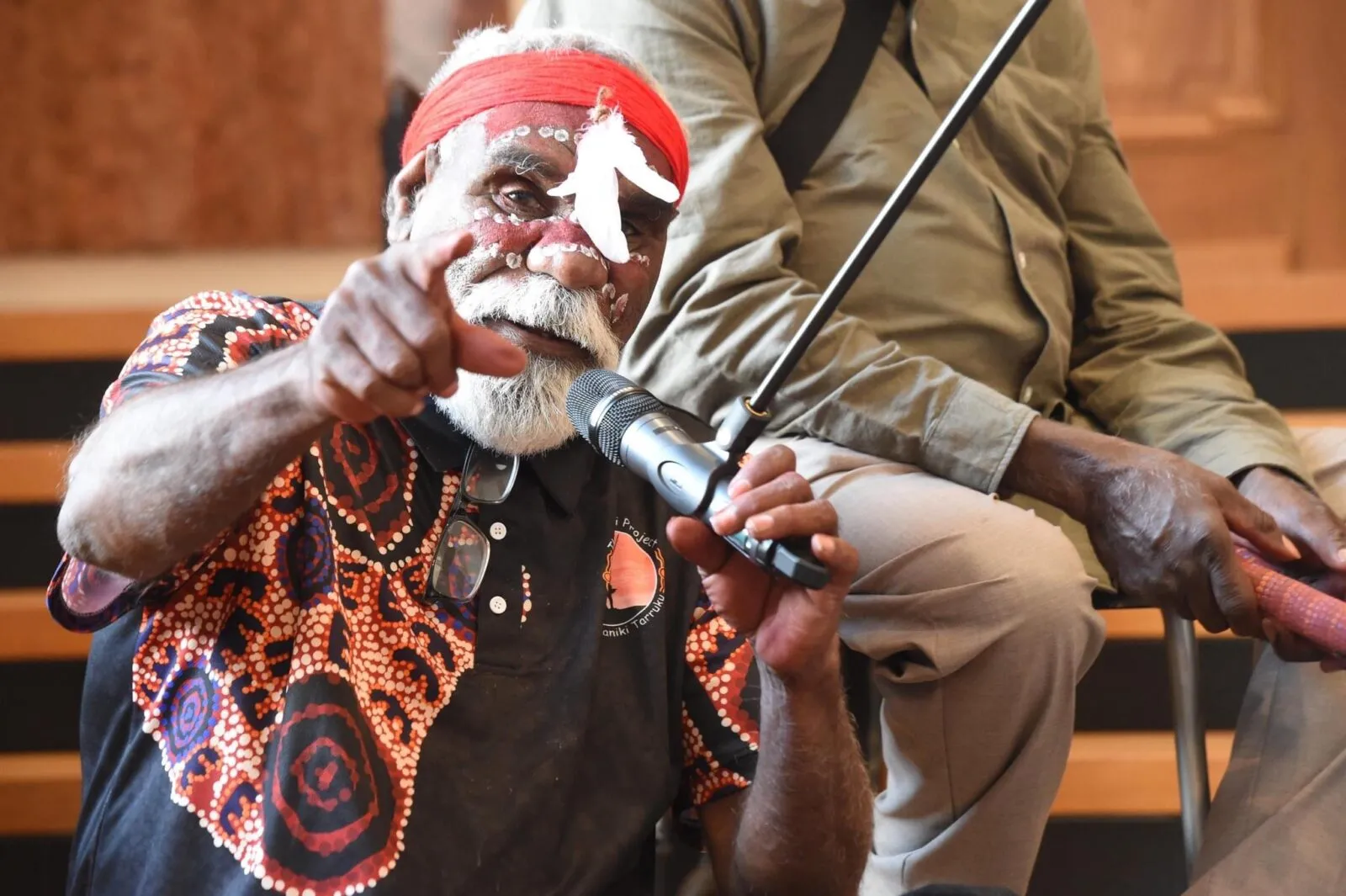
A turning point for my community was in 2019, when the police shot down a young Warlpiri man in his home, his name was Kumanjayi Walker. That is when we started the Warlpiri project, as a way to heal our people from past injustices, because culture is vital, it provides purpose, strength and healing for my people. We fund our project through our own finances, we use our royalty money which is provided to the community from the Granites gold mine, this mine is located in the heart of Warlpiri country. Our long-term vision is a cultural centre for the community of Yuendumu, which will create job opportunities for the next generation of Warlpiri and provide a space for truth-telling and education. We also hope to provide a blueprint for Museums, a blueprint for meaningful relationships and real outcomes by working together in genuine partnership with Indigenous people.

Some 150 sacred objects and ancestral remains
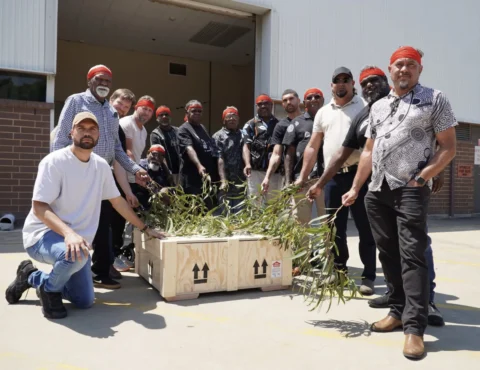
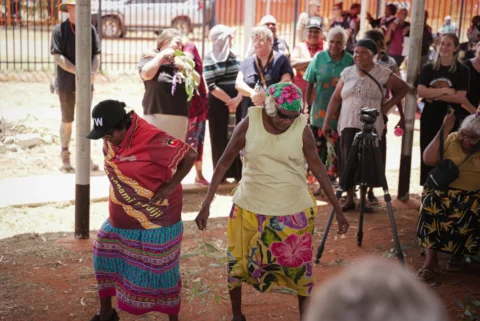
So far, some 150 sacred objects and ancestral remains have come back. They came from private collections and museums in Australia, Germany and the USA. You should not underestimate how close some repatriations come. In 2024, a Warlpiri elder reclaimed her hair, which was collected from her at the age of 5 by Australian anthropologist and placed in the South Australian museum, Adelaide. More recently, hair from our ancestors was up for sale on eBay, and when I say ancestors, I mean our fathers, mothers and grandparents as these practices continued up until the 1970s and 80s. These repatriations have seen us reignite our ceremonies, engage young people in cultural activities and restore pride within our community.
In our culture, every object, site, tree or other has an owner and a guardian, based on a kinship system. Nevertheless and due to past colonial practices in both Australia and the rest of the world, so much has disappeared, but we continue to keep our culture alive. Thousands of sacred objects from my community are held in international museums. In the Spring of 2026, I have visited some of them in New Zealand, Japan, USA, Great Britain, the Netherlands and Germany. I have seen much dedication but also that protocols around safe storage, access, and repatriation of these complex cultural materials can sometimes be absent. The absence of a shared understanding can inhibit equitable access and positive experiences of repatriation, this is why its vital we must work together.
No recognition
There are around 300 Aboriginal languages in Australia. In February 2008, the Parliament of Australia formally apologised to Indigenous Australians for forced removals of their children – often referred to as the Stolen Generations – from their families by the federal and state authorities. The apology was delivered by Prime Minister Kevin Rudd. Because my grandmother (father’s mother) was removed at the age of 7 as part of this, I hold this apology close to my heart.
As the gap continues to widen, my community continues to use culture and repatriation as foundational tools of healing. Museums play a key role and closing the gap and ensuring that Aboriginal communities in Australia continue to thrive, grow and preserve our culture.
As Aboriginal people, culture is at the heart of everything we do. Culture must be celebrated and supported. Museums are places of great significance to us, holding our most sacred, precious and powerful cultural treasures and it’s important that we work together so that Indigenous people can thrive.
Help of the ancestors
It is a hard struggle, and it will take years to make progress. I feel closely connected with my ancestors as my elders guide me on this journey. My elders have been active in the museum and repatriation sectors for the past forty years. They inspire me to help my community and young people create a better future for themselves, and repatriation is the vehicle.
*Jamie Hampton is a member of the Yuendumu community and works at the South Australia Museum in Adelaide on the Warlpiri Project.
<thewarlpiriproject@gmail.com>
© photographs Warlpiri Project