
Cultural imperialism in Yemen
The incorporation of South Arabia into the capitalist world system did not occur in a linear fashion but rather as a stochastic, contingent process which began in the sixteenth century. Thanks to Dutch, Portuguese, and Genovese merchants, Yemen emerged as ‘an object of strategic value’ for Europeans unfamiliar with Yemen’s ‘historic role as the economic, cultural, spiritual and political engine for much of the
Indian Ocean World’.
Phillips’ American Foundation for the Study of Man exploited Yemen’s cultural inheritance in much the same fashion as transnational energy concerns in their search for oil and minerals in South Arabia.
31 list of Looted Yemeni antiquities
41 Pieces were being traded in global auctions. Some of these antiquities were smuggled out long ago during the British occupation of Yemen under the pretext of being personal possessions.
Yemen has tens of lists of lost belongings.
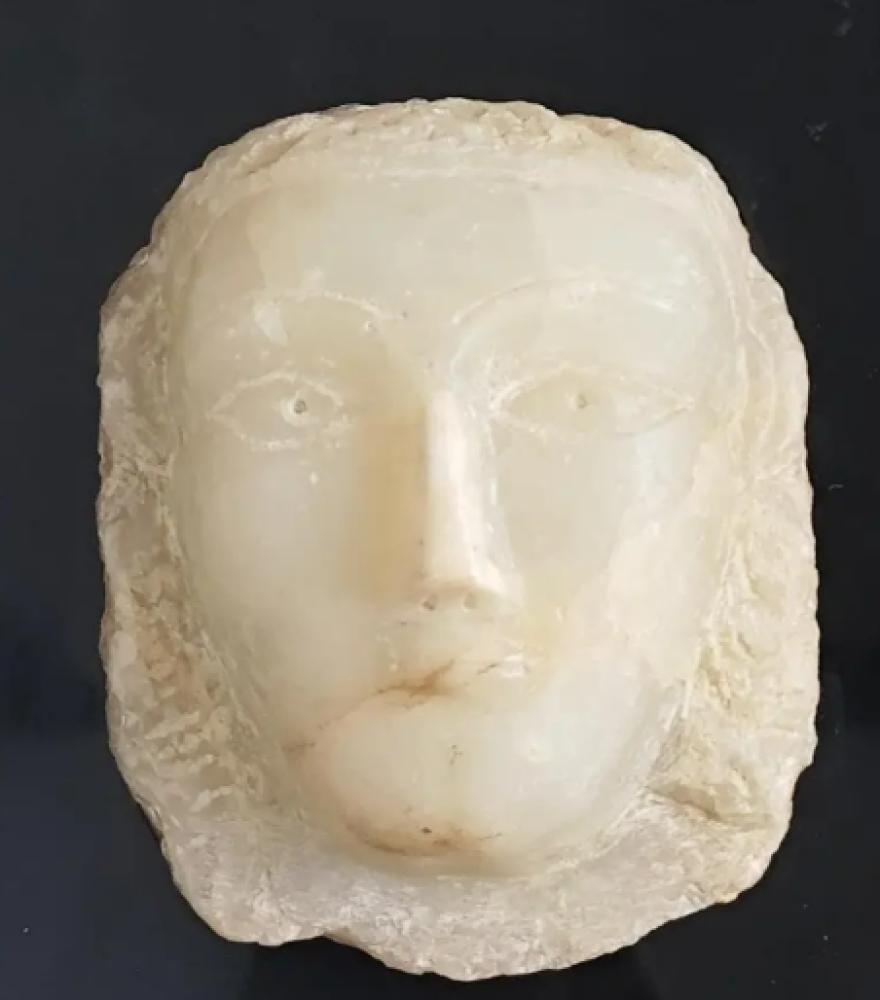
Courtesy Yemen Online
Succesful recovery
Yemen has successfully recovered four historical artifacts that had been in British custody for several years. The artifacts were in the possession of the grandson of a former British officer, who brought them to the UK during Yemen’s colonial era.
The British authorities, after seizing the items, temporarily placed them in the British Museum for safeguarding before their official handover to the Yemeni government.
Was Yemen colonised? This is the answer of Ahmed Al-Maqtari:
- Yemen experienced colonization first under Ottoman rule, which established complex administrative structures and economic policies impacting local governance and trade.
- The British Protectorate era further colonized Yemen, focusing on securing trade routes and imposing new trade practices that disrupted local economies.
- Colonialism altered Yemen’s social structure, diminishing traditional tribal authority and transforming gender roles and class dynamics through increased urban migration and workforce participation.
- Resistance movements emerged during colonial rule, showcasing Yemeni nationalism and a desire for autonomy, influencing contemporary political struggles for cultural preservation.
- The legacy of colonialism continues to affect Yemen’s political fragmentation, social stratification, and the ongoing quest for a cohesive national identity.

