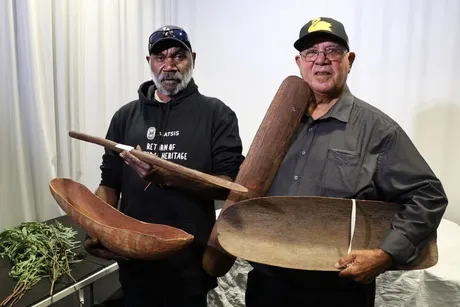
The Karajarri People (pronounced Ga-ra-ja-ri) are the Traditional Owners of lands stretching from the Southwest Kimberley coast into the Great Sandy Desert.
The collection includes Karrpina (shields), Kaparah (bowls), Dalyi (clubs), Kana (digging sticks), and sacred men’s ceremonial objects. Anthropologist Dr Ralph Piddington collected the objects in 1930-31 when he was researching in Western Australia while studying at the University of Sydney.
The repatriation effort is the culmination of a three-year partnership involving extensive archival research between the AIATSIS (The Australian Institute of Aboriginal and Torres Strait Islander Studies) cultural heritage program, Karajarri Elders, and the University.
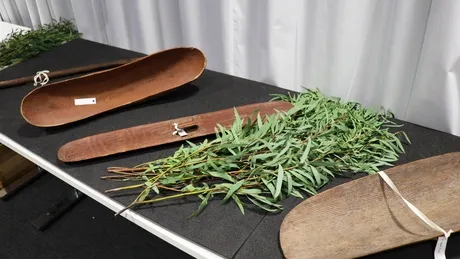
The University of Aberdeen has managed high-profile repatriations before, including the return to Nigeria of a Benin Bronze in 2021 and the repatriation of Tasmanian Aboriginal ancestral remains in 2025.
This return of Karajarri material reflects ongoing work to review collection histories alongside continuous engagement with source communities regarding the future care and ownership of cultural heritage.
Unlike the Benin Bronze and Aboriginal ancestral remains, there is no evidence to suggest the Karajarri items were obtained unethically. The return reflects a shared understanding between the Karajarri community and the University that this cultural heritage material is most appropriately held by the Karajarri community, on Country, where its stories and legacy can continue to be shared and taught.
University of Aberdeen head of collections Neil Curtis said the repatriation was about more than the physical return of the objects, highlighting the importance of recognising the histories of museum collections and supporting communities to revitalise cultural knowledge and practices.
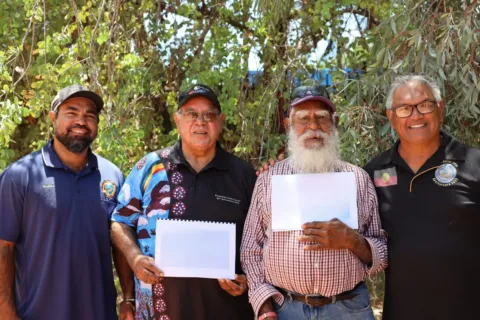
Karajarri Senior Men during the consultation process – Photo AIATSIS
“This ceremony is not simply about the return of objects. It is about how addressing the legacies of museum collections can increase cultural understanding and support people and communities to revitalise cultural knowledge and practice,” Mr Curtis said.