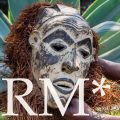
Inside museum collections around the world sit carvings, cloaks, weapons, musical instruments, bones, and names. They are labeled Māori artifacts. But for the iwi (tribes) of Aotearoa, these are not objects. They are taonga, treasures, yes, but more than that: Beings with lineage, rights, and responsibilities.
What is Taonga?
- A whalebone pendant, passed through generations
- A waka (canoe) built from native trees
- An ancestral photograph
- A song, story, language, or landscape
These are not static “heritage items.” They are living vessels of whakapapa (genealogy), wairua (spirit), and mana (authority). Museums often interpret taonga as “cultural artifacts.” But in Māori worldview, they are kin.

Courtesy Living Museum Magazine
What this means for curators?
- Object-centered care must be replaced with relationship-centered stewardship
- Every exhibition is a conversation with descendants
- Display without permission is not preservation, it is dispossession
The Rise of Indigenous Data Sovereignty As museums digitize their collections, taonga are increasingly appearing online, sometimes without tribal consultation or context.
This has led to a growing global movement for Indigenous data sovereignty: The right of Indigenous peoples to govern the collection, access, use, and sharing of their own cultural data, whether physical or digital.
In Aotearoa, Māori communities are developing:
- Digital repatriation platforms that return digital copies of taonga to iwi
- Protocols for metadata tagging that respect cultural guidelines (e.g. tapu, or sacred restrictions)
- Community-controlled servers to house tribal data in accordance with tikanga (customary law)
This isn’t about hiding history. It’s about reframing authority.
The future of museums is not about owning stories. It’s about becoming part of them with consent. In the Māori worldview, every place of meeting, marae is sacred. As museums move toward digital spaces, they must ask: Can we design digital marae, places where taonga are not just seen, but respected?

