Thomas Fues (Dekolonial Erinnern) is monitoring all restitutions from German museums and universities to former colonial regions. Wherever possible, with a source. In 2026, Māori taonga („Pou of Hinematioro“) was returned to New Zealand by the University of Tübingen.
Coloniality is ever-present. Even decades after the period of formal colonisation has ended it has persisted through structural forms of privilege and bias. Beyond their more obvious manifestations such as the racial stratification of labour and the proliferation of inequality and racism, there is the coloniality of knowledge, which is hard to discern and much more insidious to overcome.
Restitution debates – the question of whether a cultural object should be returned from a museum or other collection to a person or community – often begin with a deceptively simple question: who owns an object?
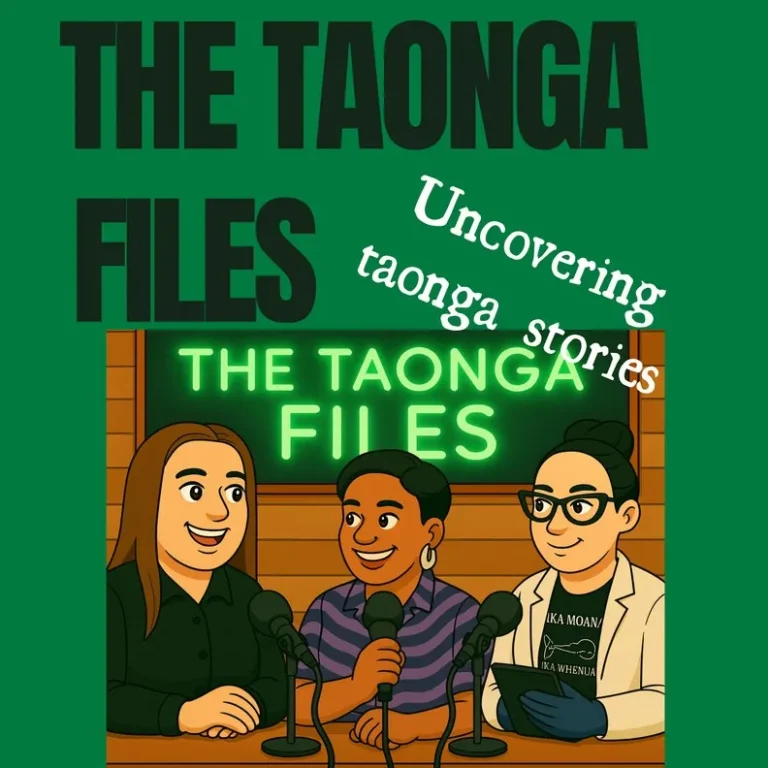
The Taonga Files, a new investigative podcast exploring the journeys of Aotearoa’s taonga now held in museums around the world — and the complex systems, histories, and relationships that shape their return.
To exhibit taonga is not simply to interpret the past. It is to enter a living relationship with an ancestral presence. Museums do not own taonga. At best, they are temporary caregivers, and increasingly, digital co-stewards.
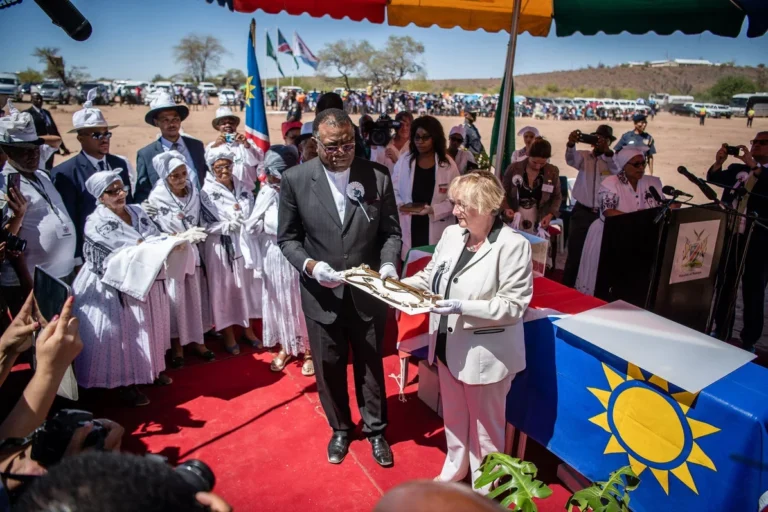
The German state Baden-Württemberg acknowledges its historical responsibility and is committed to provenance research in order to identify and return colonial cultural goods that were acquired unlawfully. The start was in 2019, when Hendrik Witbooi's Bible and whip were returned to Namibia.
Two pou - ornate carvings - that have been in the South Australian Museum's collection for more than 130 years are now destined for New Zealand after a ceremony in Adelaide on Tuesday.
Museums hold thousands of ‘things’ from all around the world. In larger institutions like Te Papa, the histories of these ‘things’ are not always known. This blog is looking at ways to start recovering these lost stories and histories.
Te Papa collection manager and kaitiaki taonga Moana Parata brings home a precious taonga, a raranga vest collected by Carl Freeze, an American Mormon missionary in the early 1900s.
Argentina has one of the most important and sensitive bioanthropological collections in Latin America. Most of the remains in museums come from Tehuelche and Mapuche victims of the so-called "Conquest of the Desert". However...
In the late 1800s, Andreas Reischek, an Austrian scientist, robbed Māori graves and plundered Māori artefacts for his private collection. More than 140 years later, officials of the Austrian government have been repatriating what Reischek looted.
During a solemn ceremony at the GRASSI Museum für Völkerkunde zu Leipzig, ancestral remains, which had been in the possession of the Staatliche Ethnographische Sammlungen Sachsen (SES), were returned to representatives of their Māori (New Zealand) und Moriori (Chatham Islands) communities of origin.
Known only as A01392 in the records of the Grassi Museum in Saxony, now the life mask of a Ngāti Toa tupuna has returned to his whenua and people as a taonga.
The wars of 1845–72 were described by James Belich as ‘bitter and bloody struggles, as important to New Zealand as were the Civil Wars to England and the United States’. The conflict’s themes of land and sovereignty continue to resonate today.