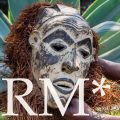
At the end of the 19th century, museums, universities, and private collectors across Europe, the US, and Australia competed for cultural specimens, and remains were traded, gifted, or sold between institutions internationally.

Image: Dan Himbrechts/AAP
“Our ancestors have waited a long time to return home. Today, after 144 years, they begin that journey. We are grateful to the Australian Museum for hearing us, for treating our Tupuna with respect, and for walking this path with us. This is not the ending but it is a healing,” Vaitiare Pakarati, Rapa Nui artist, educator, and accessibility advocate said.
The repatriation is the result of a sustained process of community consultation that began when Melissa Malu, AM Head of Pasifika Collections and Engagement, met members of the Rapa Nui delegation at FestPAC in Hawai’i in June 2024.
Ongoing dialogue, international consultation and careful negotiation between the AM and the community, including a visit by the Rapa Nui delegation to Sydney in June 2025, led to today’s return of the ancestors.

Image: Louise Reilly / AM
“This is a profound moment, for the Rapa Nui people, and for the Australian Museum,” Laura McBride, AM Director First Nations said.
“The Australian Museum acknowledges the circumstances of how these ancestors came to be in our collection and is deeply sorry for this past wrong. Returning them is an act of moral responsibility. We are honoured to have walked this path with the Rapa Nui community, we are grateful for their guidance through this process and we are glad these ancestors are going home,” AM’s director Ms McKay said.
-.-
The nation’s first museum, the Australian Museum was founded in 1827 and will mark its 200-year anniversary in 2027. It is internationally recognised as a natural science and culture institution focused on Australia and the Pacific. The AM holds more than 22 million objects and specimens in its collection, the largest in the Southern Hemisphere.