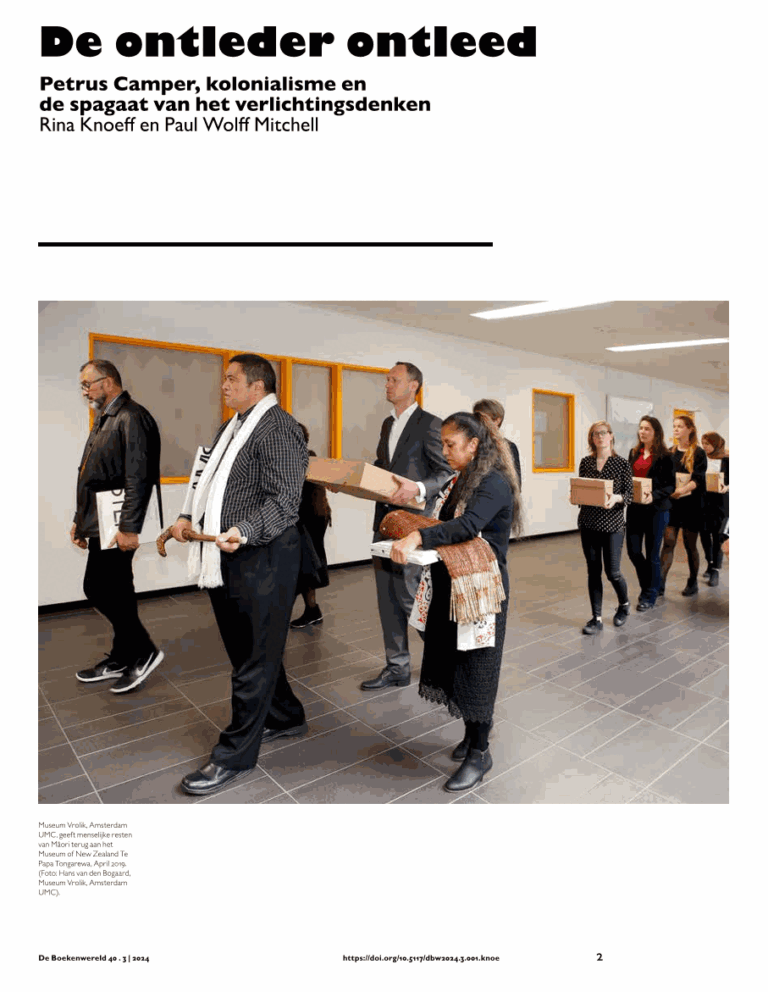
A central assumption in the political process of restitution of looted properties and cultural objects is that their return helps societies to redeem histories of injustice and dispossession. In this article, we ask which objects address whose histories, and how processes of restitution are influenced by the presence and absence of objects and collections.
[ in Dutch ] The University Museum Groningen has a collection of human remains from Petrus Camper (1722-1789). Where do they come from and how can their presence there be understood? This issue of Magazine De Boekenwereld is about Camper, his ideas and his collection.
Over the centuries, a multitude of items – including a cannon of the King of Kandy, power-objects from DR Congo, Benin bronzes, Javanese temple statues, Maori heads and strategic documents – has ended up in museums and private collections in Belgium and the Netherlands by improper means.
In 'The Empty Showcase Syndrome - Tough Questions about Cultural Heritage from Colonial Regions', author Jos van Beurden explores three questions that slow down the restitution process.