As Western nations address their legacy of colonialism, the issue of the restitution to countries of origin of heritage objects that were removed during periods of European imperialism has gained significant momentum.
In recent years, there has been a shift in the discourse on repatriation, from a legalist approach to one grounded in transitional justice, questioning the moral right of museums in Western countries to hold on to these objects.
Intentions to restore justice have already materialized in restitution policies in several European countries and in a significant number of returns from private owners and museum collections.
Yet Islamic art remains under the radar, both in terms of claims from countries of origin and within public and academic debates. The restitution of Islamic art lags behind as heritage discourses in countries of origin tend to prioritize pre-Islamic artifacts and governments often face difficulties managing existing collections in underfunded museums.
The recent turn to restorative justice opens up a broader scope of what qualifies for return, while the presence in Western countries of significant communities originating from Muslim-majority nations raises new questions about where these artifacts “belong.”
With examples from Turkey, Iran, Egypt, Indonesia, etc.
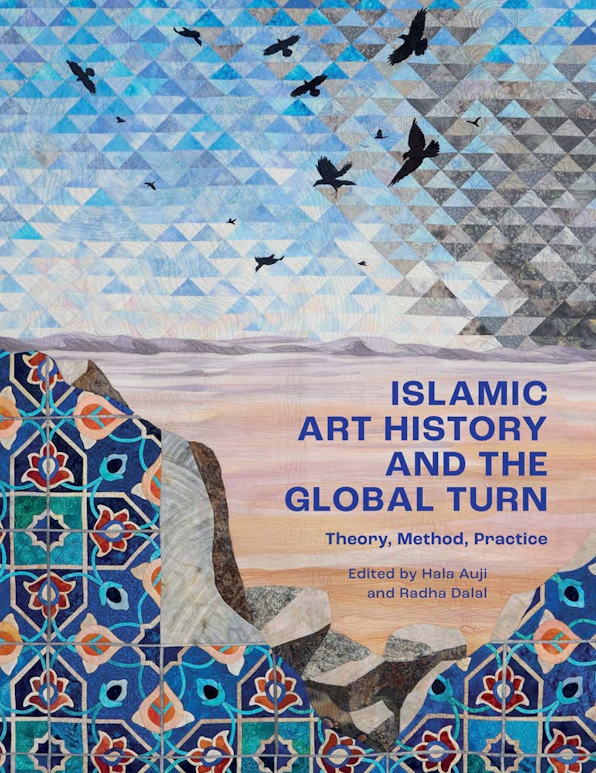
Shatanawi’s chapter is in: Hala Auji and Radha Dalal (eds.), Islamic Art History and the Global Turn – Theory, Method, Practice