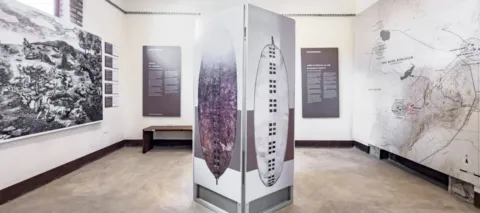
Since 2021, the Iringa Boma Regional Museum actively engages in researching the provenance of cultural collections of colonial origin held in German, French, and other European museums and universities in their Tanzanian communities of origin.
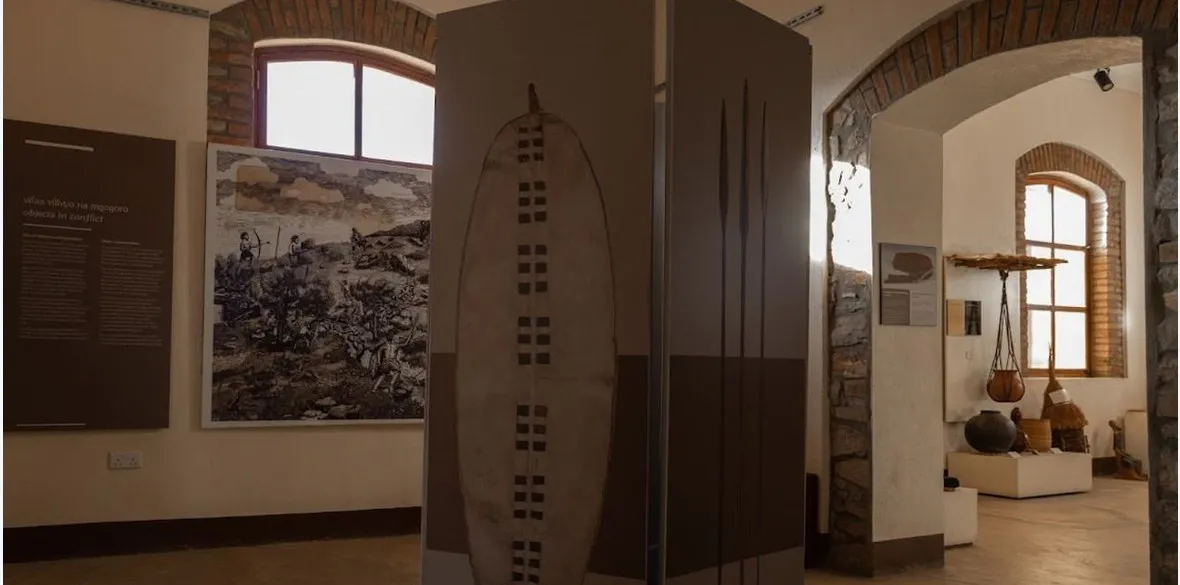
One of the outcomes is the exhibition, ‘While We Wait’. It examines Hehe cultural belongings held in Germany, following colonial violence and attempts to reconnect these belongings with the communities and landscapes from which they originated.
One of these provenance research projects investigates shields and objects from the Hehe people, who fiercely resisted
In 1896, the museum the Lower Saxony State Museum’s collections had been enriched with 193 objects, looted during the expedition.
This exhibition traces their journeys from creation and usage in Wahehe society, through violent seizure, to museum storage and planned restitution to Iringa, Tanzania. What does it mean to lose and reclaim such belongings? How do they hold pain yet offer paths to connection?
Visitors express surprise when countering information about the history of the Hehe and the geographical reach of HeHe Chief Mkwawa’s territory.
Conclusion: Tanzania needs a more deliberate approach to documenting and commu8nicating its history, and local communities, and particularly elders with knowledge of historical places, traditions and events, should be recognised as contributors rather than occasional sources of information.