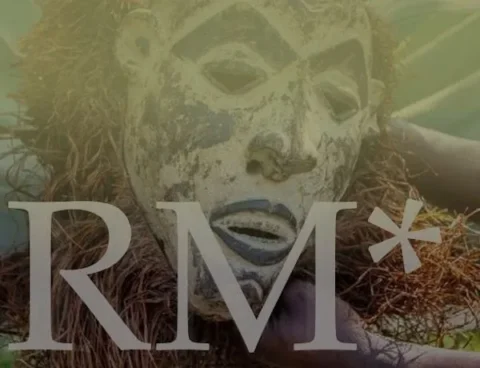
One of the tools we introduced was a 𝐩𝐨𝐥𝐲𝐩𝐡𝐨𝐧𝐢𝐜 𝐫𝐞𝐜𝐨𝐫𝐝. Instead of producing one authoritative description, each object could hold multiple contributions:
- institutional documentation
- community testimonies
- oral histories
- and sometimes, conflicting interpretations
To make this possible, we designed a feature called “𝐂𝐨𝐧𝐭𝐫𝐢𝐛𝐮𝐭𝐞 𝐭𝐨 𝐌𝐞𝐦𝐨𝐫𝐲.” It allows individuals and communities to submit their own knowledge, stories, and interpretations in relation to specific objects.
These contributions are not absorbed into a single narrative. They are received, mediated, and kept visible as distinct voices.
This changed the nature of documentation. Objects, subjects were no longer stable records.
They became sites of encounter:
- between archive and memory,
- between institutional authority and lived experience,
- between what is documented… and what remains open.
𝐴𝑛𝑑 𝑣𝑒𝑟𝑦 𝑞𝑢𝑖𝑐𝑘𝑙𝑦, 𝑎 𝑙𝑖𝑚𝑖𝑡 𝑎𝑝𝑝𝑒𝑎𝑟𝑒𝑑.
Not technical. Structural.
Because once plurality enters the system, authority becomes unstable.
Who validates? Who edits? Who decides what remains?