The Restitution Law, approved by the French parliament, evokes all sorts of reactions. RM* summarises them in a few posts. In this post, the Chinese Global Times writes that while countries around the world have been progressively engaging in the repatriation of cultural relics, Japan stands out as a negative example.
As one of the biggest targets of wartime looting in centuries past, China is now positioning itself as a global pioneer in repatriating lost cultural artefacts. In two articles, Xinlu Liang looks a Chinese demand that Japan returns an ancient tablet, which could mark a ‘historical reckoning’, and how China is wielding law, diplomacy and a Global South coalition to rewrite the rules of restitution, filling a void left by a retreating US.
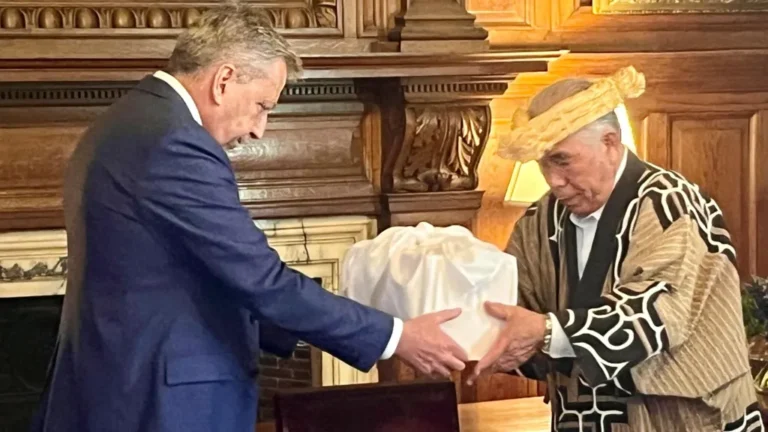
Late in 2025 , it was announced that five sets of Ainu ancestors' remains were to be repatriated to Japan from the Natural History Museum in London. This follows repatriations in 2017 (Germany), 2023 (Australia) and 2025 (Scotland). Inside Japan, the University of Tokyo has apologised to the Ainu community for collecting ancestral remains without their consent. The Japanese government, working with the Ainu Association of Hokkaido, supports the repatriations. How can this increase be explained?
Reporters from the Chinese newspaper Global Times visited Japan and found that looted Chinese cultural relics are being displayed and even promoted as militarist "trophies," including at a notorious shrine. History must not be distorted, and heritage must not be plundered. But to this day, Japan has not returned these looted relics. Instead, it has attempted to conceal and deny this history.
The Shanghai University’s Research Centre for Chinese Relics Overseas has completed evidence-based research proving that a precious cultural relic currently in Japan belongs to China, and has urged - with support of Japanese cultural groups - Japan to promptly return it.
“The university regards these historical facts with the utmost gravity, reflects on them with sincere remorse, and hereby expresses our heartfelt apologies.” A process of repatriation has started.
The restitution issue of cultural properties from Japan to South Korea has a long history. Back from a visit to South Korea, Eisei Kurimoto (National Institutes for the Humanities, Japan) concludes that this history still is being characterized by one dominant element: asymmetry. While in South Korea, it is an important national matter, the interest in Japan has been very low. Japanese governments consider it a ‘settled case’ and the issue is rarely publicly argued. To initiate change, joint provenance research projects could cultivate trust and friendship between stakeholders of both countries.
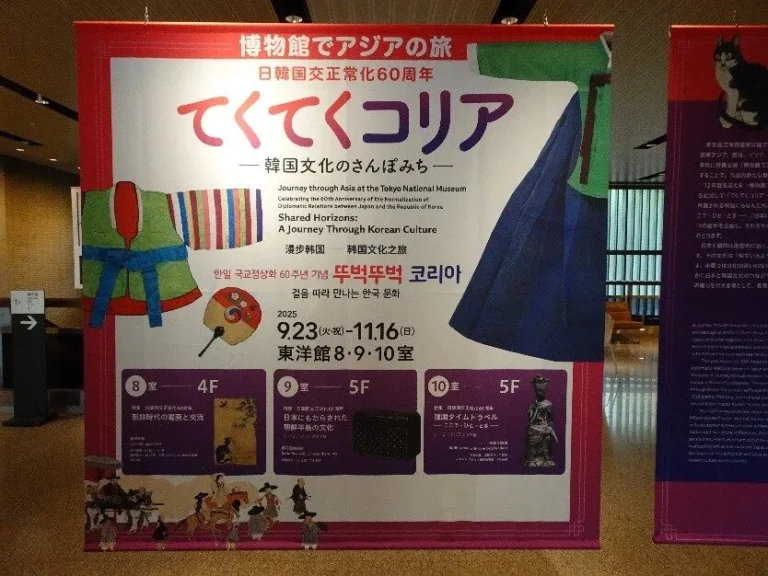
A royal shrine from the Joseon Dynasty (1392-1910), believed to have been removed from Korea nearly a century ago during Japan’s colonial rule, has returned home. Known as Gwanwoldang, the wooden structure was officially transferred to Korea through a bilateral cultural collaboration marking the 60th anniversary of normalized diplomatic ties between the two countries.
Jongsok Kim wrote this open access book in 2018, but it is still very relevant for our discussion. With legal and historical perspectives. Some case-studies about restitution are noteworthy.
Restitutions of colonial loot by Japan to former colonial possessions? Yes, that has happened and is still happening: manuscripts and objects to South Korea and China, ancestral remains to groups within Japan’s own borders. News about it is quite rare. What is actually known about the colonial collections and restitution practice of this former colonial power in the Far East?
The Japanese civic group, Movement for the Repatriation of Chinese Cultural Properties, urges the Japanese government to return looted Chinese cultural relics, the Chinese Global Times reports. Japan conducted archaeological surveys in China during wartime and later transported their "findings" to Japan under the guise of "academic research."
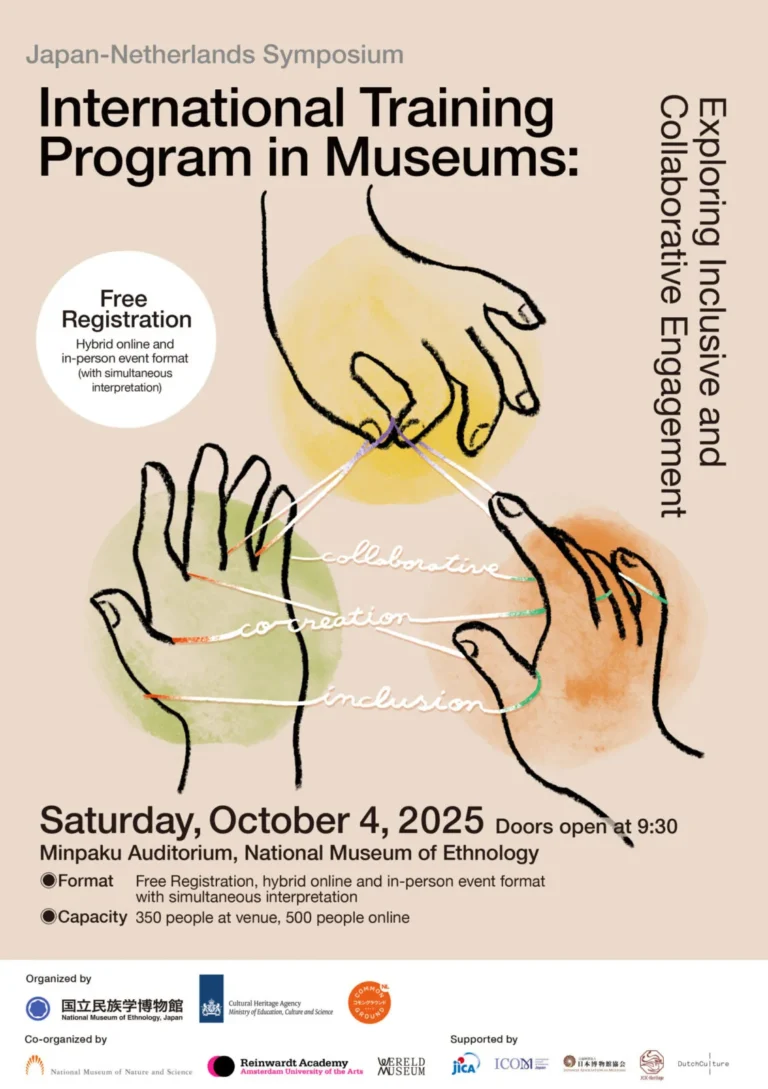
The Japan-Netherlands Symposium International Training Program in Museums: Exploring Inclusive and Collaborative Engagement focuses on international museum training programs conducted by the Netherlands and Japan, exploring new approaches to international museum collaboration that transcend the traditional hierarchy between “trainers” and “trainees.”
The Albanese Labor Government has welcomed the return of 10 First Nations ancestors from three Japanese collecting institutions. A joint ceremony was held in Tokyo. This is the first ever return of ancestors from Japan.
Remains taken by Japanese researchers from a tomb in Okinawa Prefecture in the early 20th century have been returned, sources said Thursday. + comment Nathan Sydenham
Can one historical injustice be compared to another? Historians don't like it, for understandable reasons. But in matters of looting art you can't escape it. What rarely happens, comparing books by authors from four countries on one subject, does Pieter van Os.