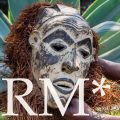
After a revitalisation process of nearly a year, Munarq presented the new exhibition, distributed across seven rooms, which explores the country rich pre-Hispanic heritage. The exhibition, with almost 1,200 items, displays stone, organic, wooden, ceramic, and metal artifacts.

Photo EFE
Spaces are dedicated to spirituality, ritual, and the connection with ancestors, as well as methods of communication, including quipus, a system of knotted and colored cords used for accounting.
In the section on ‘Immortality’ and commemorations of the dead, the centrepiece is Saphi, the mummy of a 15th-century Inca girl from the Pacajes chiefdom in La Paz. This artifact was taken to the United States around 1890 and repatriated in 2019.
The final room also features an illa, or Andean deity carved in stone, an iconic figure illegally removed in 1858 and returned in 2014 by a Swiss museum. Mamani explained that originally this Andean stone illa or deity represents a woman, but when it was repatriated it was given another connotation, associating it as a precursor to the Alasita festival, the miniature wishes celebration.

