The collection was assembled by Marie-Thérèse Petit, a former midwife who worked in several African countries between 1947 and 1982. She passed away in 2022 and bequeathed the collection to the city. The objects, including artworks and jewelery, have been kept at the Musée d’Aquitaine since then.
The decision by the city of Bordeaux is a significant step within the current discussions about the restitution of African cultural assets that were brought to Europe during the colonial period. It aligns with French legislation passed in May 2026 regarding the return of cultural goods that were wrongfully acquired.

Maire Thomas Cazenave de Bordeaux
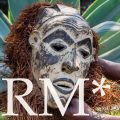
The return of the 33 objects from Gabon, attributed to the Tsogo people, is considered a historic moment for the country. These works hold great cultural significance and will be exhibited at the Musée national des Arts, Rites et Traditions in Libreville.
Bordeaux’s refusal of the donation enables the affected countries to collaborate directly with French authorities to coordinate the restitution of their cultural heritage. This fosters international cooperation and dialogue about the return of cultural goods that arrived in Europe during the colonial era.
This development is part of a broader process wherein several African countries are demanding the return of cultural property from European museums. France has conducted several restitutions in recent years, including the return of 90 objects to Gabon in January 2024.
Bordeaux’s decision to reject the donation is regarded as a positive example of cultural property restitution and could serve as a model for other European cities engaged in similar discussions. It emphasises the importance of cooperation between the countries involved and French authorities to enable the return of cultural assets.

