During its long period of militarist aggression in China, Japanese militarists carried out systematic atrocities in China.
It took advantage of its occupation of Chinese territory to plunder vast quantities of Chinese cultural treasures, causing incalculable damage to Chinese cultural heritage.
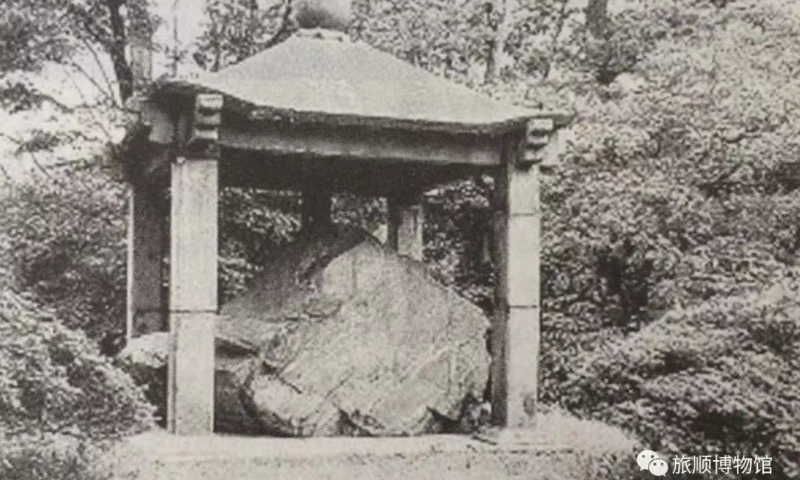
Chinese Tang Honglu Well Stele. Photo: Wechat account of Lushun Museum
This was not merely theft of Chinese cultural artifacts – it’s irrefutable evidence of the heinous crimes committed by Japanese militarism during Japan’s invasion of China.
This systematic, large-scale looting has at least three defining features.
- First, it spanned a long period of time. As early as around the outbreak of the First Sino-Japanese War in 1894, Kuki Ryuichi – an imperial advisor and director-general of Japan’s Imperial Museum (now the Tokyo National Museum) – wrote How to Collect Treasures of the Qing Dynasty during the War, which received backing from the Japanese government and military. Japan’s systematic destruction and looting of Chinese cultural relics continued until the end of the War of Resistance Against Japanese Aggression, lasting more than half a century.
- Second, the looting covered a vast geographic scope. Over decades of invasion, much of China’s territory fell under occupation at different times, resulting in cultural relics from various historical periods and regions being taken to Japan.
- Third, the scale was enormous. According to incomplete statistics, by the end of the war, approximately 1,879 crates containing some 3.6 million Chinese cultural relics had been looted by Japan, while 741 cultural and historical sites – even not including those in Northeast China – were destroyed. According to scholars’ estimates, Japan has more than 1,000 museums of various sizes, housing nearly 2 million Chinese cultural artifacts from different dynasties – most of which were taken during the war of aggression.

