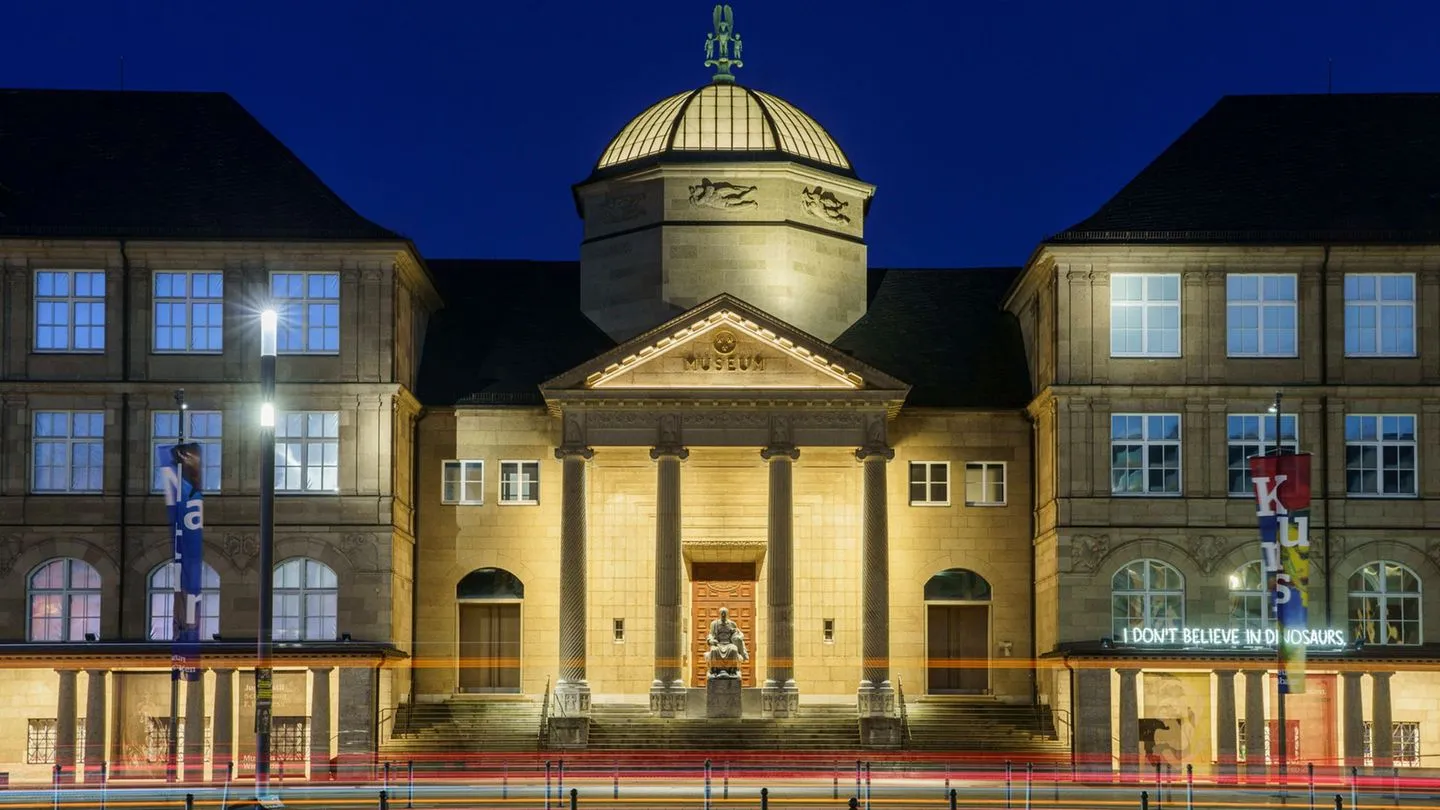
Timon Gremmels, the Hessian Minister of Culture, said in a statement that the restitution “is part of the efforts of the Hessian state institutions to systematically examine their collections for unlawful acquisitions during the colonial period and to assume responsibility for the history of their holdings.”
The remains were removed from Indonesia by Ernst Albert Fritze, a Hessian military physician who worked for the Dutch East India Company.
According to research by Andy Reymann, the museum’s curator of cultural anthropology, Fritze donated several natural history objects to the Nassau Society for Natural History (the Museum Wiesbaden’s predecessor) beginning in 1833.
The skulls will be presented to representatives of the Indonesian government in a formal ceremony on November 10, and will be covered with black cloth to preserve the dignity of the dead.
Another Fritze-acquired skull in the museum’s collection was restituted in 2023. That item, a Toi Moko, or tattooed Māori head, was returned to a delegation of Māori and Moriori representatives through New Zealand’s Karanga Aotearoa repatriation program.
Located in the state of Hesse and about an hour west of Frankfurt, the Museum Wiesbaden’s founding collection dates to the late 18th century and early 19th century, when it was assembled by father-son collectors Johann Christian Gerning and Johann Isaac Freiherr von Gerning. It ranged from paintings and drawings to books and maps to insects and coins.
At the suggestion by Johann Wolfgang von Goethe, the younger Gerning donated his holdings to the Duchy of Nassau; they were subsequently split up into three museums and then transferred to the city of Wiesbaden in 1900. Since 1973, the three institutions have been managed by the state of Hesse as the Museum Wiesbaden.