This means incorporating an anti-racist, gender-sensitive, and socially just perspective, capable of eliminating all the biases with which these centers have thus far recounted the history of a continent and a part of human history, as stated in the proposals.

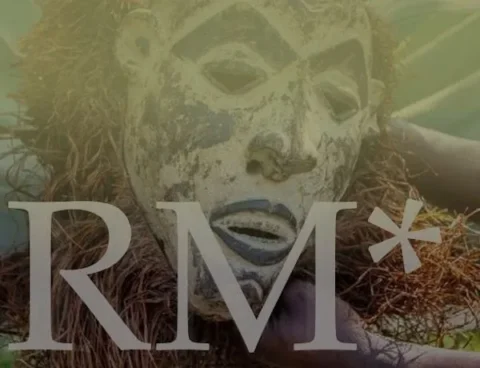
Courtesy Museo de América de Madrid. Photo Sebastián Forero Rueda
The reports, therefore, do not omit any of the terms that have been the subject of debate, if not partisan conflict, since the Minister of Culture announced almost two years ago his intention to “overcome a colonial framework or one anchored in gendered or ethnocentric inertia” for state museums.
The National Museum of Anthropology, in the words of its director, Fernando Sáez, aspires to become a space for “community participation and social mediation.”
This translates into the transformation of the institution’s three floors, not only through a new arrangement of artifacts, the use of technology, and new narrative approaches—such as rotating display cases—but also with the intention of involving communities in “telling their own stories,” just as the museum celebrates its 150th anniversary.
The information also touches on restitution.
- For the moment, neither artist faces the restitution or return of any pieces. The museums don’t believe there are any works of questionable origin. However, the curators don’t rule out potential requests and state that, should any arise, these demands will be included and explained in the exhibitions. “There are ethical and legal claims involved, and we have to raise them as part of the narrative, regardless of what happens afterward. We’ve taken the bull by the horns.”