The Catalan project "(Tr)African(t)s. Museums and collections of Catalonia in the face of coloniality" has recently created a travelling exhibition titled “To whom does history belong? Struggles for the decolonization of museums". This exhibition “invites us to reflect on the role of museums in colonial history and to rethink heritage from a critical perspective."
[ in Spanish ] The work of the two expert committees created by Ernest Urtasun, Minister of Culture, to "overcome and challenge the Eurocentrism" of these two institutions, has concluded after six months with the delivery of two projects outlining concrete guidelines for renewing their museographic narratives.
HERE is a seminar for new and experienced heritage professionals. The aim is to bring professionals together in order to stimulate knowledge exchange and innovation. HERE is on 10 November in Wereldmuseum Amsterdam.
[ in Dutch ] How do Belgium and the Netherlands deal with the sensitive issue of returning looted art and investigating its colonial origins? What do you see of this in museums and what remains underexposed?
The colonial legacy continues to resonate in Portugal, shaping “organized forgetting” of colonial violence. Finding ways to dismantle the real effects of that historical legacy includes restitution of looted collections.
The June 2025 report by a working group of Edinburgh University DECOLONISED TRANSFORMATIONS CONFRONTING THE UNIVERSITY OF EDINBURGH’S HISTORY AND LEGACIES OF ENSLAVEMENT AND COLONIALISM focusses mainly on slavery an its current impact. At the en dit has an interesting recommendation for the university's Anatomical Museum and its 200 skulls.
Rematriation is more than the return of land or cultural items. It is a sacred process of restoring Indigenous relationships to land, water, language, and spiritual responsibility.
Benin Digital mentions two objects in Portugal, one of which is in the Sociedade de Geografia de Lisboa. Sofia Lovegrove Pereira sends a podcast [ in Portuguese ], Reparacoes historicas - Preterito imperfeito (28 08 2023), which argues that the Sociedade has indeed one on display but another 76 in store.
[ in Portuguese ] A 15-point action plan is the most tangible proposal put forward by the working group in a report on “sensitive heritage” at the University of Coimbra. Among the actions consists are “identifying and systematizing all the ‘sensitive heritage’ of UC”, the adoption of principles on dealing with them, legislation for restitution and the repatriation of a skull collection to Timor Leste.
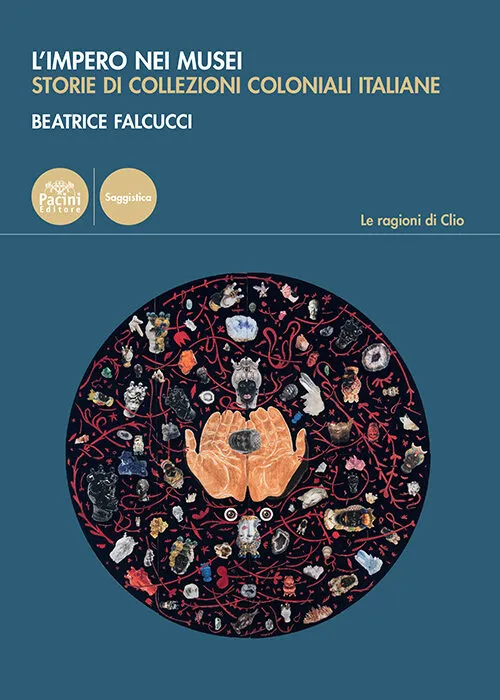
[ in Italian ] From the dawn of Italian exploration in Africa and throughout the colonial period, objects and samples from overseas came to the Peninsula, finding their way into temporary exhibitions and more than one hundred permanent displays, where they were studied, described and presented to the public.
Art historian Nana Oforiatta Ayim criticises Western voices for still dominating the restitution discourse, ‘whether they are directors, academics or curators. She rarely hears the voices from whom the objects were taken.
[ in Portuguese ] Portugal has been doing little to develop knowledge on the provenance of its collections that came from former colonies. This can be partly explained by the lack of human and financial resources in archives, museums and universities.