Thomas Laely writes: The debate on the repatriation of (in)tangible cultural heritage and belongings has developed a broad dynamic in recent years. This sudden activism raises questions. What is its background, what are the goals behind it, and how are they to be achieved? Is it primarily about African or rather European interests?
This open access publication presents the results of a research project which is probably unique in this form: In the course of only two years, the provenances of approximately 1100 sets of Human Remains from the territory of the present-day nations of Kenya, Tanzania, and Rwanda were examined. Editors are Charles Mulinda Kabwete and Bernhard Heeb.
The AfricaMuseum in Tervuren near Brussels conserves two mummified persons. Where they came from and how they reached the museum was long shrouded in mystery.
The Bill of 3 July 2022 to recognize the alienability of goods linked to the Belgian State’s colonial past and to determine a legal framework for their restitution and return (“the Restitution Bill”) puts Belgium at the forefront of international restitutions of colonial collections.
A project to investigate the origins of human skulls taken from the former colony of German East Africa has concluded that nearly all are the remains of people from the same colonized region
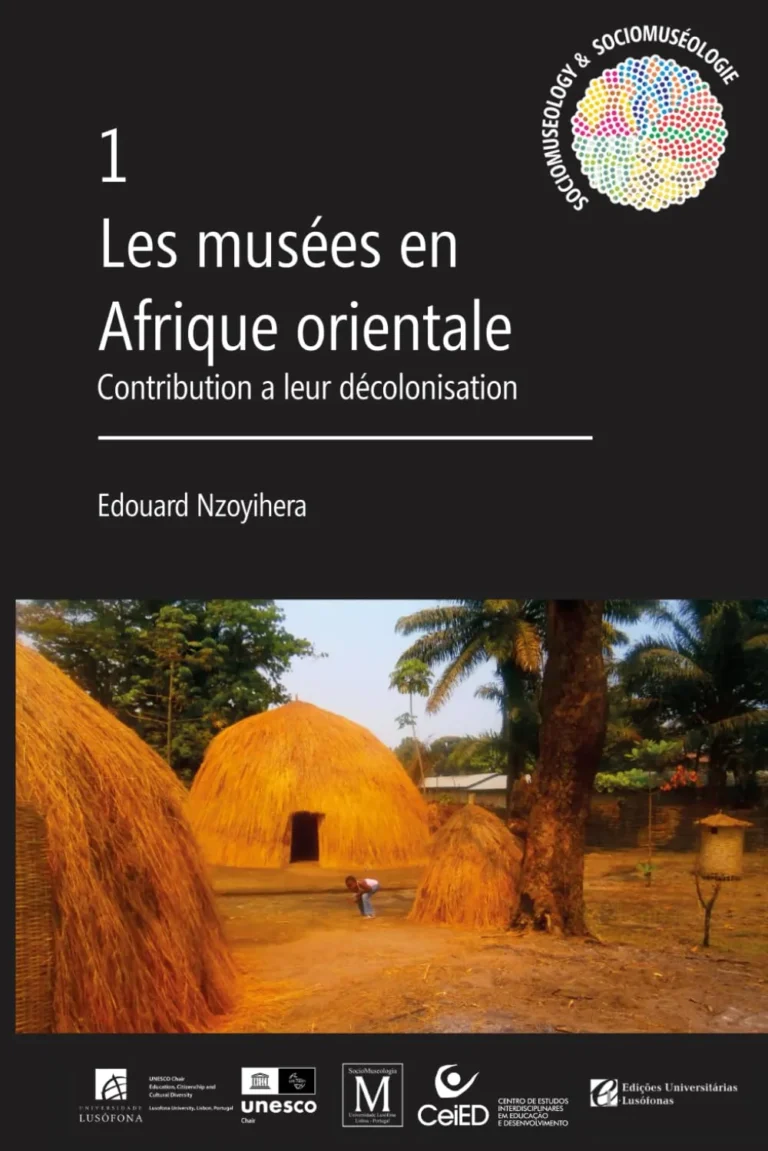
[ in French ] Museums in the modern sense of the term first appeared in Africa during the colonial era. After independence, the colonial museum became the national museum. It was only a change of name, but the model remained Western