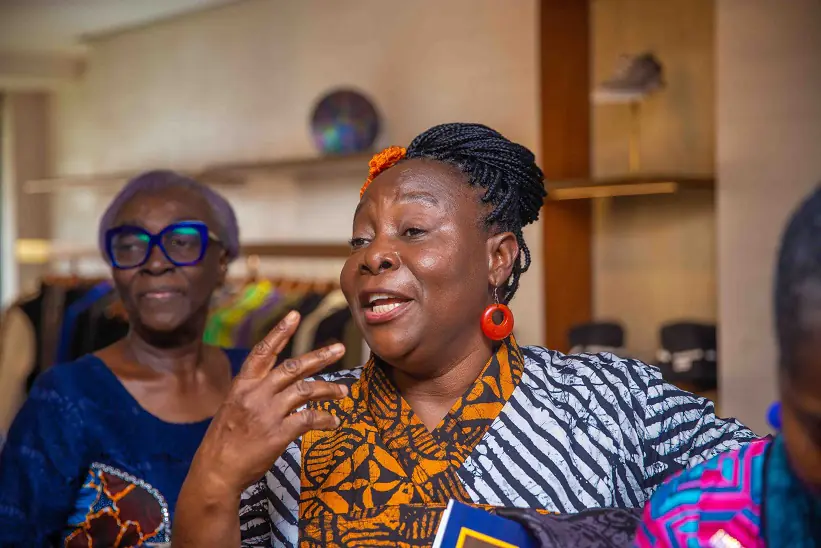
Peju Layiwola is one of the many Africans who is playing a crucial role in the restitution discourse.
Layiwola’s relationship with art began close to home. Her mother, Princess Elizabeth Olowu, became Nigeria’s first female bronze caster in a field long dominated by men. Layiwola watched her mother work and became interested in metal.
One of Layiwola’s most recognised projects, Benin1897.com: Art and the Restitution Question, brought the history of the 1897 British punitive expedition into the gallery. The expedition resulted in the looting of thousands of objects from the Benin Kingdom, many of which entered collections outside Nigeria.
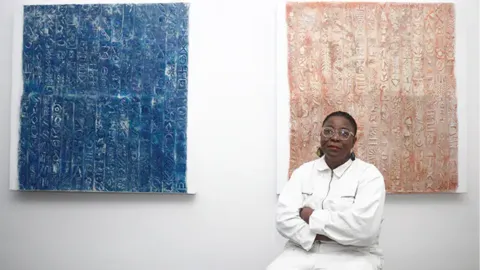
For Layiwola, the subject is both historical and personal. These objects carried records of royal life, belief, craftsmanship and community identity. Her project invited audiences to consider what happens when cultural objects are separated from the people and places that gave them meaning.
Layiwola has also built a career in art education. She began teaching at the University of Benin in 1991 and joined the University of Lagos in 2002, where she became Professor of Art and Art History. She later led the university’s Department of Creative Arts, supporting curriculum development and the Lagoon Gallery, a contemporary art engagement platform.
Her influence extends beyond the university. Through the Women and Youth Art Foundation, which she founded, she has supported women, young girls and young people through arts education and mentorship.
Layiwola’s career shows how an artist can work with the past while remaining engaged with the present. She draws on family experience, historical research and traditional techniques, then uses exhibitions, teaching and public advocacy to bring those subjects into wider conversations.