In versions I’ve seen, the system is trained on the institution’s own (perhaps outdated, one-sided) catalogue data, and the “listening” is aimed at the public asking questions. Where in the loop is the community the object came from? The museum still decides what gets said. It’s just more “conversational” now.

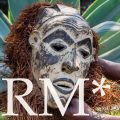
Photo: Accession card N4002, The Brummer Gallery Records, The Cloisters Library and Archives, The Metropolitan Museum of Art. “Open-baby-mouth type.”
The good news is Indigenous communities aren’t waiting for museums to figure this out. They’re already building the tech, on their own terms.
Te Hiku Media, a Māori media organization in Aotearoa, built their own speech recognition system for te reo Māori, after watching Big Tech fail at Indigenous languages. They released it under a Kaitiakitanga License: the organization has no ownership claim over the data, access is governed by tikanga Māori, and any benefit flows back to the people who contributed. Guardianship, not extraction.
Mukurtu CMS, built with the Warumungu community in Central Australia and now used by 600+ Indigenous groups worldwide, lets communities set their own access protocols for digitized heritage: some material public, some restricted by gender or season or family, all of it decided by the community.
Digital Benin, Anne Luther adds this website, offering info about objects from the Benin Kingdom.
There are many more examples.
Rachael Carnes adds:
So here’s my question for anyone building “the collection that can listen”: Does your system have a mechanism for a source community to say don’t let it answer that — a restriction the AI actually honors, not just a staff review after the fact?
If the answer is no, you haven’t built a collection that listens. You’ve built a faster version of the same museum voice.

