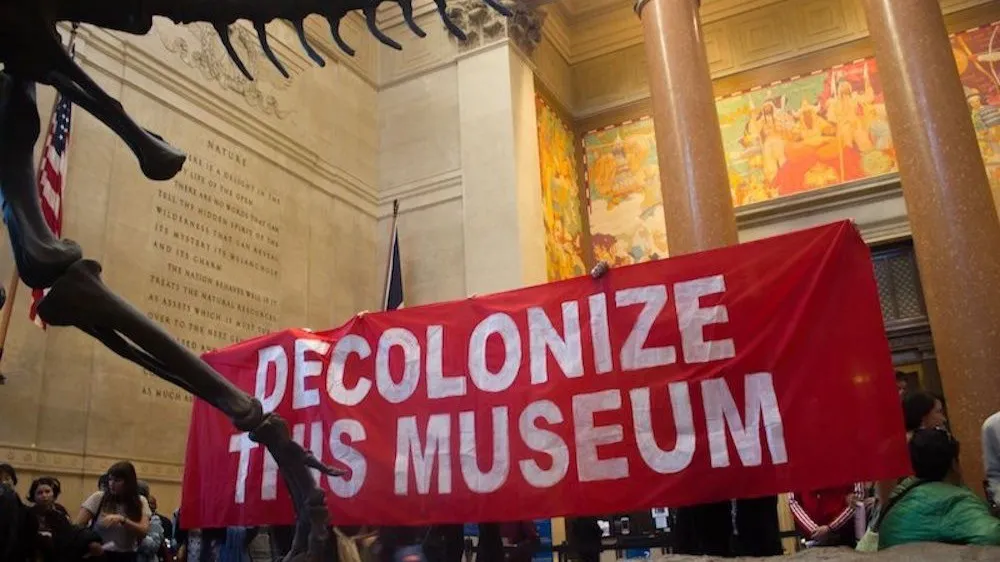
By clinging to the domestic “inalienability” codified in the British Museum Act of 1963 while rejecting the international standard for restitution, the UK performs a stark geopolitical maneuover: it transforms its national museums into extraterritorial vaults, where objects acquired through colonial violence remain permanently insulated from the very concepts of justice and repatriation they helped to inspire.
This creates a two-tiered system of cultural heritage—one where victimized nations are told to embrace modern ethics, while the former colonial power is allowed to shelter behind the antique laws of its own making, perpetuating a form of legalized possession that is, in effect, the enduring architecture of colonial rule.
Here is the multi-dimensional case for its dismantling:
I. THE LEGAL ARCHITECTURE OF RETENTION
A. The 1963 Act: “Inalienability” as Legalized Theft
Section 5 is the linchpin: it prohibits disposal of objects except in trivial, collection-management circumstances. Restitution is structurally excluded. This is not preservation—it is forced retention. The law commands the Museum to retain objects regardless of ethical title or moral claim. The Heritage Act 1980, National Heritage Acts 1983/1992, and Museums and Galleries Act 1992 extended this principle across the UK’s national museums, creating a unified legal blockade against restitution.
B. The International Law Dodge: Strategic Non-Ratification
UNIDROIT (UNIFICATION OF INTERNATIONAL LAW (Droit is French for Law)) Convention 1995, also known as CONVENTION ON STOLEN OR ILLEGALLY EXPORTED CULTURAL OBJECTS, is the strongest international instrument for recovering stolen or illegally exported cultural objects. The UK has signed but will not ratify it. Official reviews admit ratification would conflict with domestic law—i.e., the 1963 Act. This is not an oversight. It is a calculated evasion. By refusing to join the modern ethical framework, the UK signals that its domestic law serves one purpose: to shield colonial acquisitions from contemporary legal standards.
C. The “Loan” Gambit: Colonialism Repackaged as Benevolence
Offering “long-term loans” of stolen objects is not decolonization. It is a neocolonial negotiating tactic. It retains legal title for the UK while forcing source nations to borrow their own cultural patrimony, often bearing the costs and accepting the lender’s terms. This is not sharing—it is institutionalizing continued dominance. The message: “We own your heritage, but we’ll let you visit it.”