In response to calls for restitution, Tokyo either equivocates and evades the issue or builds a so-called “defensive wall” using its domestic laws, citing “acquisition in good faith” and “statute of limitations” as grounds for refusal. This evasion of history and disregard for justice reveals Tokyo’s persistent refusal to reflect on its colonial and militarist past.
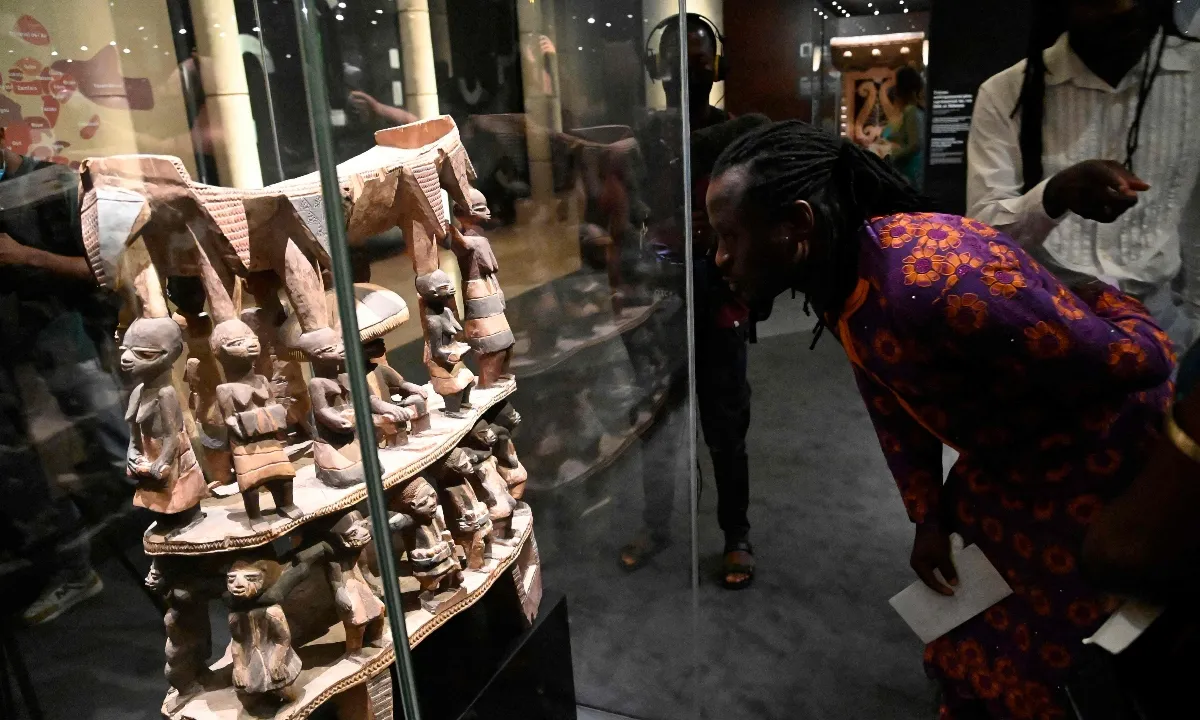
Cana throne, looted by French colonial soldiers, back in Cotonou, Benin – Courtesy VFC
The essence of cultural relics restitution is about the restoration of history, respect for the cultural heritage and diversity of all nations, and a bridge toward rebuilding trust and achieving reconciliation between countries.
France’s decision shows that it is feasible to strike a balance between national interests and historical justice, and to standardize the restitution process through legal procedures.
Countries that still hold large quantities of looted artifacts should follow this positive example, have the courage to assume historical responsibility, fulfill their obligations under international law, and respond earnestly to the just demands of the peoples of the countries of origin.
Hopefully France’s initiative will become a new starting point for the global movement to return cultural relics.