Open Restitution Africa (ORA) describes restitution as a pan-African process of remembrance, research, and the digital sharing of knowledge – an interview with Chao Tayiana Maina and Karen Ijumba. 'The bulk of the work in the restitution lies on the African side: the work of reintegration, the negotiation, and supporting people in dealing with the return of the artifacts.'
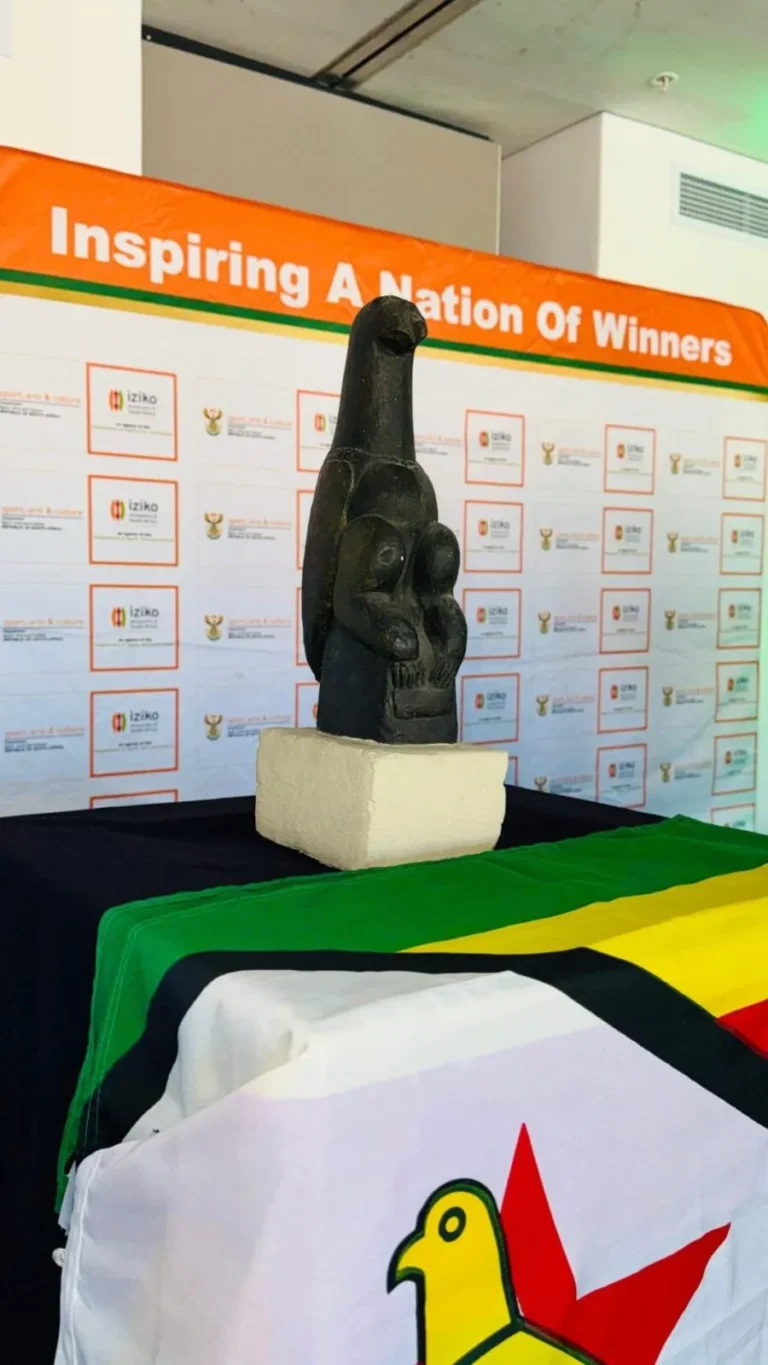
Lloyd Makonya writes: The systematic removal of cultural heritage formed part of a broader colonial strategy to undermine African civilisation. Against this historical backdrop, the handover of the Zimbabwe Bird and ancestral human remains by South African authorities to Zimbabwean officials marks the latest victory in Zimbabwe’s sustained push to reclaim its cultural inheritance.
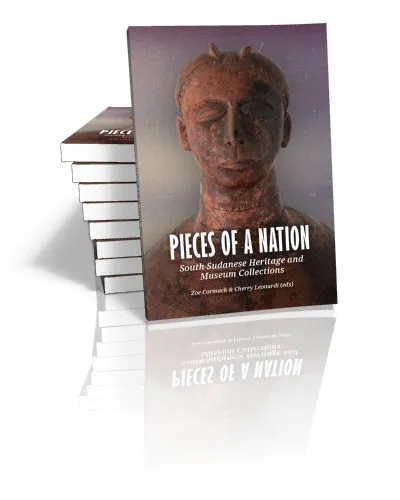
Although published in 2021, RM* distributes this open access book, as South Sudan is a much forgotten area. According to editors Zoe Cormack and Cherry Leonardi, the long-term effects of colonialism and conflict have largely precluded any concerted attempts to preserve material culture within the country; museums remained in Khartoum, the capital of the formally united Sudan. Furthermore, tens of thousands of objects had been removed from what is now South Sudan during the nineteenth and twentieth centuries to museum and private collections around the world...
The handover ceremony, directed by South African President Cyril Ramaphosa, took place at the Iziko South African Museum in Cape Town, marking a significant moment in the restoration of African heritage. The repatriation also underscores growing cooperation among African nations in addressing historical injustices linked to colonial-era dispossession.
South Africa has reburied the remains of 63 Khoisan people, among southern Africa's oldest indigenous communities. The remains were part of museum collections in the Hunterian at the University of Glasgow in Scotland and at the Iziko South African Museum in Cape Town. The remains were laid to rest at a historic monument near Steinkopf, in the Northern Cape province, during a ceremony attended by President Cyril Ramaphosa.
As Africa enters 2026, its museums stand as vibrant guardians of the continent’s layered history, from ancient pharaonic legacies to the scars of colonialism and the triumphs of independence. Amid global conversations on cultural restitution, with artifacts slowly returning from European institutions, new and revitalised venues are reshaping how Africans and the world engage with the past.
Ngaire Blankenberg writes: While the world debates restitution, Africa’s own heritage institutions are collapsing. The question is no longer who took our past, but who is keeping it alive.
Ghana's Asante king has welcomed the return of 130 gold and bronze artefacts from the UK and South Africa some of which were looted during colonial times and others bought on the open market. 'These artifacts belong where their meaning was born'.
The path to true restitution requires more than symbolic gestures, demanding that Britain repeal its obstructive laws, France accelerate its glacial restitution process, and all former colonial powers establish transparent frameworks for repatriation.
South Africa is determined to repatriate the remains of its people taken abroad during the colonial era and those who died in exile as anti-apartheid activists, the culture minister Gayton McKenzie says. Including those of the Khoi-San, who are regarded as among the country's "first people".
The African Union (AU) has said that the Year of Reparations 2025 is about economic liberation and ending Africa’s systemic wealth drain. Onyekachi Wambu writes: 'Restitution is a key part of the agenda. it has been explicitly mentioned in all the AU related reparations meeting I have attended.'
"A History of Excuses" dives into the often absurd justifications given to delay or deny the return of African cultural heritage, using satire and humour. .
Asantehene, Otumfuo Osei Tutu II, is set to receive 28 gold ornaments and regalia from South Africa, marking another restitution of Asante cultural heritage looted during the 19th century, including linguist staff, swords, palace security locks, rings, necklaces, and proverbial gold weights depicting crocodiles and gold scandals. These items reflect the governance structures and chieftaincy traditions of the Asante Court.