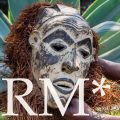
Restitution debates – the question of whether a cultural object should be returned from a museum or other collection to a person or community – often begin with a deceptively simple question: who owns an object?
In recent years, there has been growing recognition that these collections carry painful legacies. In all these engagements, two words are often used: repatriation and restitution.
At first glance they may seem to mean the same thing, and both involve the return of something. But as South African scholars, working in the fields of history, museum studies and human biology, Victoria Ribbon and Ciraj Rassool argue that the difference between these terms is not just semantic. The choice of word reflects deeper politics of justice, recognition and repair.
[ in French ] The French government intends to go further with a bill that could become a landmark law in this area. What are the terms of the bill, and why does it potentially represent a historic turning point? Catharine Titi writes....
The collection of the Musée des Rois Bamoun (MRB, Museum of the Bamoun Kings), located in Foumban in Cameroon’s West Region, testifies to the richness and diversity of the Bamoun Kingdom’s art, culture, and history.
This is the “age of apology” for past wrongs. Reams of articles in Western media are devoted to former colonizer countries and yet, this is rarely the result of requests from former colonies. Example India.