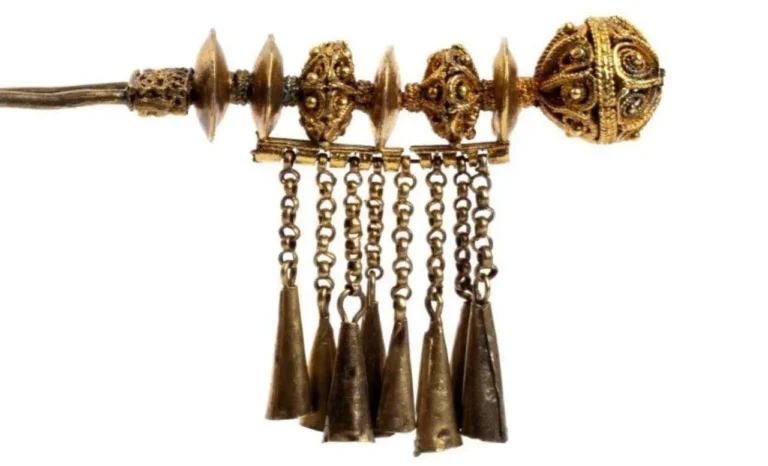
Mahlet Mehdi writes: The return of Empress Tiruwork Wube’s hairpin to Ethiopia underscores how much remains unresolved. Most artifacts taken from Magdala remain abroad. Legal frameworks offer limited recourse. Private markets remain opaque. And restitution continues to depend on chance discovery, rapid response, and negotiated compromise. The hairpin is less an endpoint than a case study.
The landscape of cultural property restitution has undergone a fundamental transformation over the past three decades. What was once a world governed by gentlemanly agreements between dealers, collectors, and museum curators has become a forensic battleground where digitized trafficking archives, scientific testing, and aggressive legal enforcement determine the fate of objects. This document provides a comprehensive analysis of the current state.
The Royal Ethiopian Trust announces the acquisition and planned repatriation of a 19th-century gold hairpin belonging to Empress Tiruwork, wife of Emperor Tewodros II of Ethiopia. It is one of thousands of artifacts seized by British troops following the battle of Magdala in 1868.
The colonial collections in public museums and the private sector in Italy are not less substantial than elsewhere in Europe. Italy has made some significant returns. Nevertheless, this blog argues that the country is much better at reclaiming its own stolen relics than at accepting the consequences of the investigations into its colonial collections.
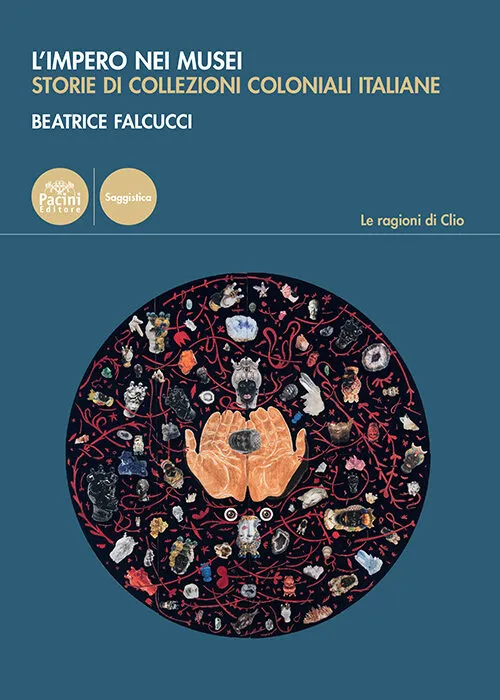
[ in Italian ] From the dawn of Italian exploration in Africa and throughout the colonial period, objects and samples from overseas came to the Peninsula, finding their way into temporary exhibitions and more than one hundred permanent displays, where they were studied, described and presented to the public.
International Conference. - Decolonising Cultural Heritage: State of the Art, Methodologies, and Practices”. University for Foreigners of Siena, Italy.
Resistance hero Ras Desta Damtew was executed by Italian fascists in 1937, after which some of his belongings are believed to have been stolen. Now his grandchildren and the Ethiopian government are fighting to bring them home.
A team of museum directors, researchers and scholars has been conducting a “census” of the collections in the 498 Italian state museums to get a handle on what exactly they contain.
Almost nine decades after it was stolen by Benito Mussolini’s fascist regime, the Italian government has officially returned Ethiopia’s first plane, named Tsehay in honour of the princess daughter of Emperor Haile Selassie.