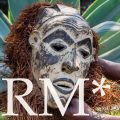
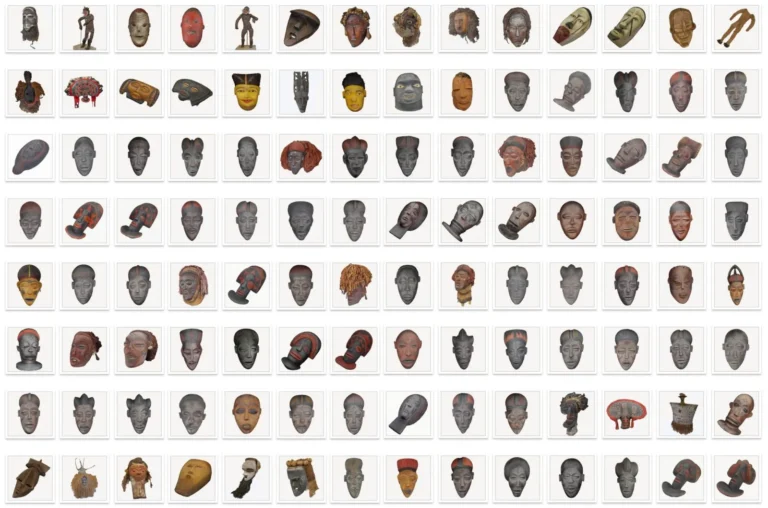
[in English, in Mozambiquan Portuguese] The five texts in this richly illustrated issue nr. 9 of Troubles dans les Collections trace how new local contexts in Mozambique and global debates have resonated in the country since the restitution debate gained heightened visibility. Civil society actors play a crucial role in raising the restitution issue.
All too often, the literature on the restitution of colonial cultural objects tends to focus on the public international law (PubIIL) aspects of the debate. With a few notable exceptions, the PubIIL and private international law (PIL) dimensions of the debate are rarely considered together. This article makes the case for a coordinated approach.
When tourists tread the halls of Sri Lanka’s national museums or glance over the plaques at sites of historical significance, they are reading stories of the past. But whose? Sri Lankan ethnographer Ganga Rajinee Dissanayaka wonders who made that judgement of what is worth saving, worth memorialising, worth forgetting?
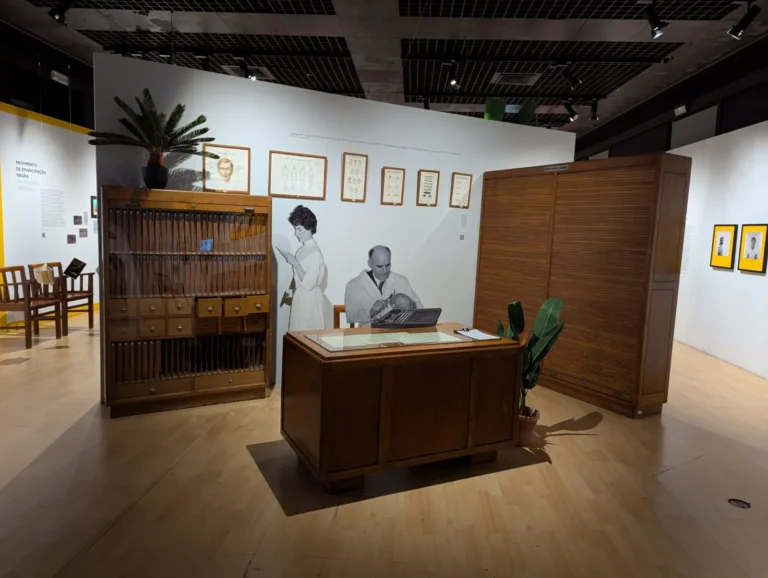
[ in Portuguese ] The exhibition "The Photographic Impulse. (Dis)arrangement of the Colonial Archive" proposes a decolonial reading of the images and scientific objects from geodesy and anthropology expeditions carried out in territories colonized by Portugal.
The colonial legacy continues to resonate in Portugal, shaping “organized forgetting” of colonial violence. Finding ways to dismantle the real effects of that historical legacy includes restitution of looted collections.
[ in Portuguese ] A delegation from Nagaland in north-east India travels to the Pitt Rivers Museum in Oxford to negotiate the return of remains and artefacts taken during the colonial period.
Benin Digital mentions two objects in Portugal, one of which is in the Sociedade de Geografia de Lisboa. Sofia Lovegrove Pereira sends a podcast [ in Portuguese ], Reparacoes historicas - Preterito imperfeito (28 08 2023), which argues that the Sociedade has indeed one on display but another 76 in store.
[ in Portuguese ] A 15-point action plan is the most tangible proposal put forward by the working group in a report on “sensitive heritage” at the University of Coimbra. Among the actions consists are “identifying and systematizing all the ‘sensitive heritage’ of UC”, the adoption of principles on dealing with them, legislation for restitution and the repatriation of a skull collection to Timor Leste.
(Re)collecting Natural History in Europe is a research project that examines how natural history and ethnographic collections are curated and displayed, with a particular focus on European museums.
Timor-Leste has a long and complex history of colonial entanglements with the Portuguese, and the number of Portuguese documents related to this is rather big. Their digitalisation will help on both sides.
[ in Portuguese ] Portugal has been doing little to develop knowledge on the provenance of its collections that came from former colonies. This can be partly explained by the lack of human and financial resources in archives, museums and universities.
In this interview by Lucas Lixinsky, Joacine Katar Moreira discusses her background, tactics and strategy for restitution and reckoning with colonial history, and the roles of diplomacy and law in this space. The interview has been condensed, edited, and translated from Portuguese.