Ganga Rajinee Dissanayaka explores how heritage, power, and narrative relate to each other, and how the subtle, insidious dependencies shape who tells the story of a culture in 2026 and who becomes little more than a footnote at the back of a museum. In Sri Lanka, Vedda cultures, coastal Muslim traders, Tamil ritual practices, and Catholic-Sinhalese syncretism could be studied ethnographically, none qualified as heritage.
Ganga Rajinee Dissanayaka discovered at a conference in Europe that Benin Bronzes, Egyptian antiquities and African collections were discussed. But Asia was unmentioned. And then when a colleague from Indonesia brought up the topic of Southeast Asian collections, the moderator nodded graciously and then moved on to another topic. Decolonisation, it appears, is an African story.
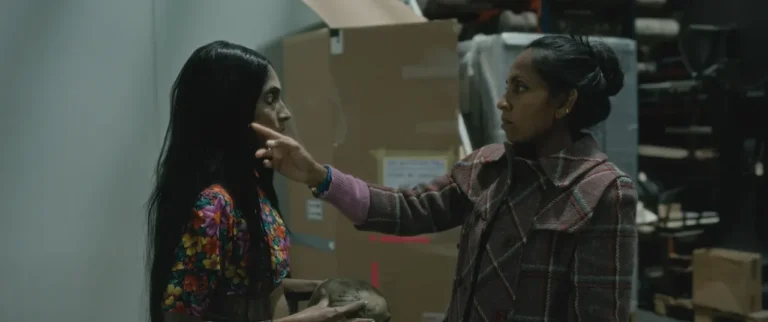
The documentary Elephants & Squirrels by Swiss filmmaker Gregor Brändli chronicles a Sri Lankan artist’s discovery of looted artefacts in Basel and her mission to return them to Sri Lanka, exposing Switzerland’s uneasy reckoning with its colonial entanglements.
The theft of the Louvre’s crown jewels has increased calls for the museum to be more transparent about the colonial origins of the treasures it displays. Their routes to Paris run through the shadows of empire, an uncomfortable history that France has only begun to confront.
When tourists tread the halls of Sri Lanka’s national museums or glance over the plaques at sites of historical significance, they are reading stories of the past. But whose? Sri Lankan ethnographer Ganga Rajinee Dissanayaka wonders who made that judgement of what is worth saving, worth memorialising, worth forgetting?
Doing research in Swiss museums, artist Deneth Piumakshi Veda Arachchige comes across a collection of ancestral remains and artifacts from an indigenous Sri Lankan community. The award-winning documentary can be seen at film festivals in Leipzig and Amsterdam.
In a step toward preserving and rediscovering Sri Lanka’s colonial intellectual heritage, the government has greenlit a groundbreaking research project focusing on Dutch-era palm leaf manuscripts of Sri Lankan origin.
The question of stolen cultural property during the colonial era is not just one of legality; it is deeply embedded in morality, historical injustice, and the unequal dynamics of power between former colonies and colonisers, argues dr. Naazima Kamardeen.
A research project has been conducted with the participation of the museum department and independent researchers regarding 6 such artifacts in the Netherlands and it has been confirmed that all the artifacts were brought from Sri Lanka during the colonial period.
The Netherlands will physically hand over six Sri Lankan artefacts to Sri Lanka during a two-day event at the Colombo National Museum. All come from the Rijksmuseum Amsterdam, among them is a famous ceremonial cannon of the King of Kandy (captured in 1765).
In 2023, Sri Lanka retrieved six objects from the Netherlands. The hope is that future initiatives will lead to the return of more Sri Lankan artefacts from other countries and even private collectors, fostering a stronger connection between the country and its cultural heritage.
The barriers are legal, as many of these items are held by private individuals rather than the state, Buddhasasana, Religious and Cultural Affairs Minister Vidura Wickremenayake said.
The Museum of Cultures and the Natural History Museum in Basel, Switzerland, returned a collection of approximately 90 aboriginal artefacts, including human bones and tools, of Sri Lanka’s indigenous population.
Thanks to Deneth Piumakshi Veda Arachchige, the Museum of Cultures and the Natural History Museum in Basel, Switzerland returned a collection of approximately 90 aboriginal artefacts, including human bones and tools, of Sri Lanka’s indigenous population this week.