Gunther Fehlinger-Jahn's 2028 campaign pledge puts one of the world's most significant pre-Columbian artifacts back in play and signals how repatriation politics are reshaping what institutions can keep and what collectors can trade.
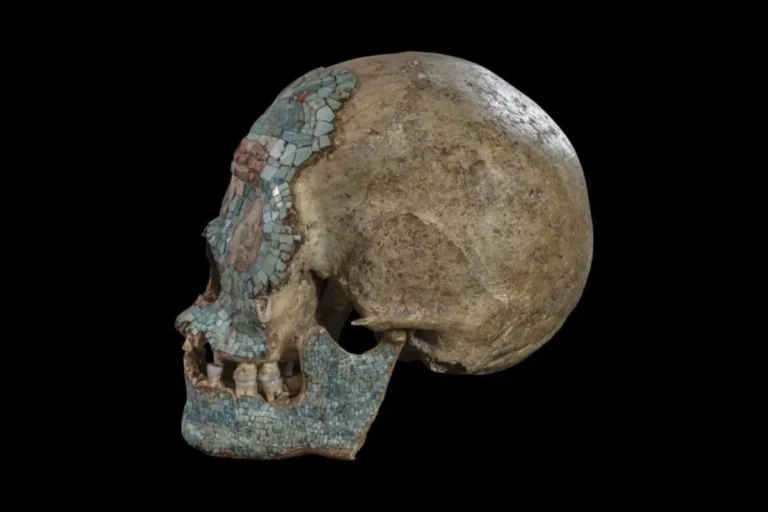
A rare pre-Hispanic human skull decorated with a turquoise mosaic is now under the protection of Mexico’s National Institute of Anthropology and History (INAH), a year after its repatriation from the Netherlands. INAH is in discussions with the Yucu Saa Community Museum in Villa de Tututepec, Oaxaca, which has expressed an interest in safeguarding and exhibiting the skull.
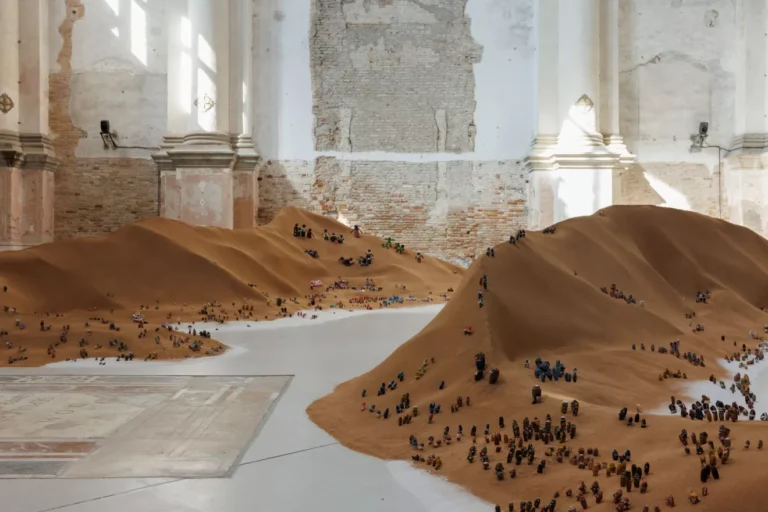
Running from 28 March through 11 October 2026 at Ocean Space, the Venice Art Biennale exhibition “Tide of Returns” by Khadija von Zinnenburg Carroll raises questions about such issues as ownership and ways of acquisition.
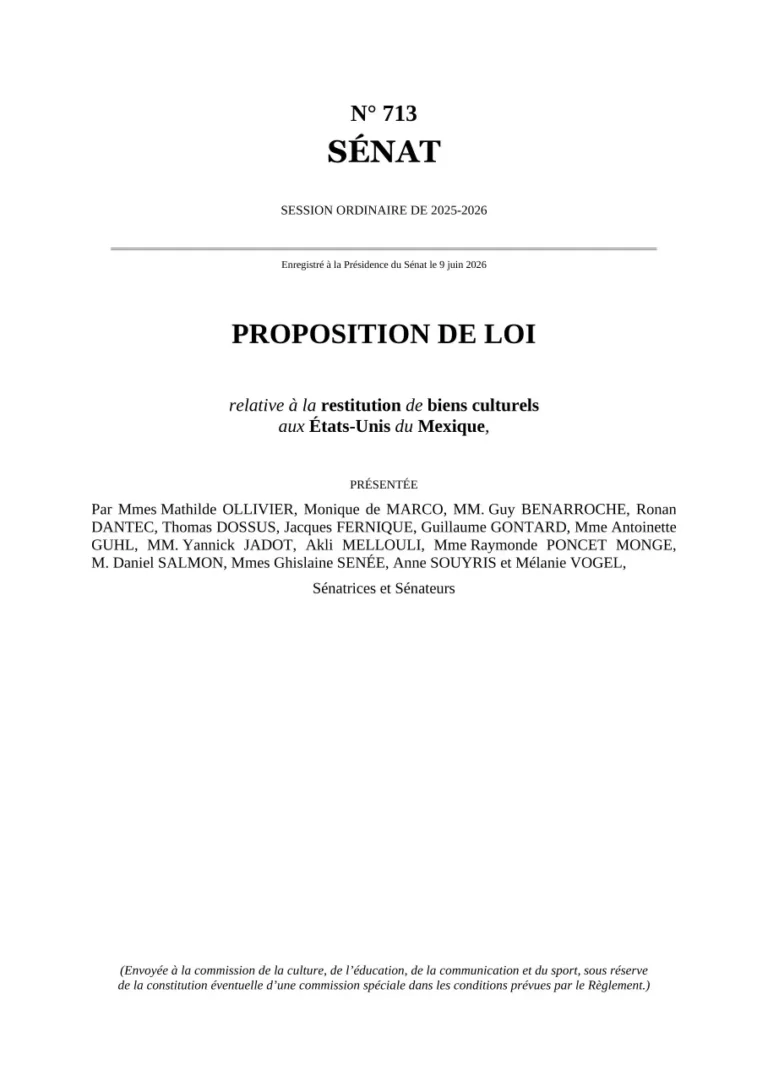
[in French] Two Mesoamerican manuscripts, the "Codex Borbonicus" kept at the National Assembly and the "Codex Azcatitlan" at the Bibliotheque Nationale de France (BNF), are the subject of a bill tabled in the Senate on June 9, 2026 by Mathilde Ollivier and several of her fellow senators, which would organise their restitution to the United Mexican States. Is this thanks to the new restitution law?
The aution included 40 archaeological pieces and were auctioned during a live sale on 27 February 2026, at Maison Millon in Paris. The Culture Ministry started legal procedures and used diplomatic channels to seek a return. In the meantime the lots have been sold for 1,2 million euro.
Where and to whom do ancient things belong? What happens when they are stolen—not by a colonial power, but by a national museum claiming them as state patrimony? What kinds of healing and restitution can follow?
To commemorate years of diplomatic relation—and sure, with an eye to continued trade—France and Mexico exchanged two ancient manuscripts: the Codex Azcatitlán, and the Codex Boturini.
Join us on Sept 16 | 16:00–21:30 | Kulturhaus Brotfabrik - World Premieres of Eternos Retornos and other films, with installations by Repatriates, and a dinner ritual inspired by the counter vibration physics of the headdress. This is more than art. It is a call to return what was taken.
Nearly five centuries after Spanish conquistador Hernán Cortés signed it and decades after someone swiped it from national archives, a priceless manuscript page has been returned by the FBI to Mexico.
The Mexican Ministries of Foreign Affairs and Culture, through the Legal Advisor’s Office and the National Institute of Anthropology and History (INAH), welcome the restitution of 915 cultural artifacts belonging to the nation's heritage.
This article presents recent provenance research on the Indigenous ancestral human remains gathered by Alphonse Louis Pinart (1852-1911) during his journey in Oceania on board the French navy cruiser Le Seignelay.
The Return of Cultural Heritage to Latin America takes a new approach to the question of returns and restitutions. It is the first publication to look at the domestic politics of claiming countries in order to understand who supports the claims and why.
After receiving a letter from the Thai government, it was not difficult for the Asian Art Museum in San Francisco to determine it was showing looted objects. Before their return the museum holds an exhibition. Is this becoming a trend?
The American Alliance of Museums has brought out a special issue Museum as part of a larger project exploring the next horizon of museum practice with regard to voluntary repatriation, restitution, and reparations. The articles in this issue provide a window into practices regarding the Benin-objects, lost items of the Yaqui, voluntary returns, and the application of NAGPRA.
An exhibition at the Foreign Ministry Museum in Mexico City is displaying more than 100 stolen pieces that have been recovered, thanks to intense work by the country’s diplomats.
An indigenous Mexican nation, the Nahñu people in the central Mexican state of Hidalgo, has written to the Assemblée Nationale in France seeking the return of its codex, arguing that the centuries-old manuscript describes traditions it still continues.
In response to a request by the Mexican government, the Netherlands has decided to return a human skull which is part of the Dutch State Collection of Wereldmuseum Leiden to Mexico. The Ministry of Culture has handed over the skull to the Mexican embassy in The Hague.
A Mexican delegation is coming to retrieve 84 Mesoamerican axes currently in transit at University de Montreal, underscoring the need to raise public awareness of the looting of archaeological artifacts.