News about colonial collections and restitution

RM* reports news about collections from former colonial territories and their future.

RM* enables heritage lovers to inform themselves about developments in this field and reduces the knowledge gap between the global south and the global north.

RM* is for all heritage enthusiasts around the world – both professionals and others – concerned with decolonising collections from colonial areas. 

Filter by content type
The Shanghai University’s Research Centre for Chinese Relics Overseas has completed evidence-based research proving that a precious cultural relic currently in Japan belongs to China, and has urged - with support of Japanese cultural groups - Japan to promptly return it.
Restitution of cultural property is gaining momentum across Africa, framed not as symbolic but as a fundamental right. Senior officials, ambassadors, scholars, and international representatives gathered in Addis Ababa to debate restitution as a pillar of justice and identity.
The Kingdom of the Netherlands has formally handed over an inventory of Ghanaian cultural artefacts held in Dutch collections, marking a major step toward the restitution of objects looted during the colonial era.
The French Senate on Wednesday adopted a draft legislation to facilitate the return of artworks and other prized artefacts looted during the country’s colonial era. This new procedure could help address requests already submitted by various countries, including Morocco, Mali, Algeria and Benin.

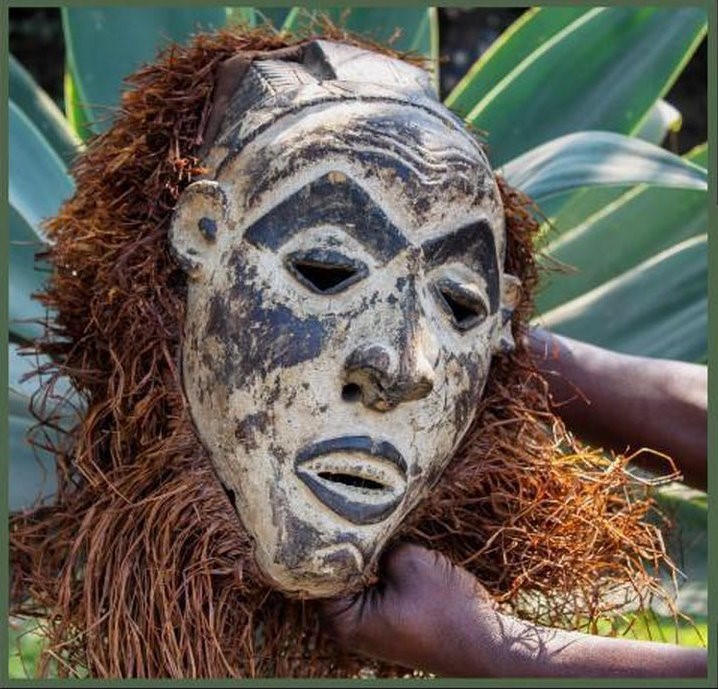
Dedicated to a mask, its maker and first users

Long ago, I held this Congolese mask in my hands. The dealer claimed it to be very old; he was keen to sell it. But unlike other wooden pieces, which he offered for little money, he asked a big sum for this one. Perhaps, it was indeed old and valuable. Back then, the mask struck a chord with me. Nowadays, it still does.

Cultural heritage occupies a paradoxical position in law: It is protected as property but experienced as a repository of identity, memory, and dignity. This article examines whether cultural heritage could, in principle, be recognized as a subject of law, drawing on emerging developments in environmental and nonhuman personhood.
Lucky Igohosa Ugbudian writes: Switzerland has witnessed curators playing an increasingly significant role in the restitution debate surrounding Benin artworks. The looting of these cultural objects in 1897 led to the illicit global circulation of these objects. The forceful trafficking of these items, alongside international laws and conventions, prompted Nigerian and Pan-African groups to demand restitution.
Where and to whom do ancient things belong? What happens when they are stolen—not by a colonial power, but by a national museum claiming them as state patrimony? What kinds of healing and restitution can follow?
To Sell or Not to Sell: The British Association for Biological Anthropology and Osteoarchaeology’s Position on the Trade and Sales of Human Remains in the UK pleads for improved legislation if the UK is to end this industry.