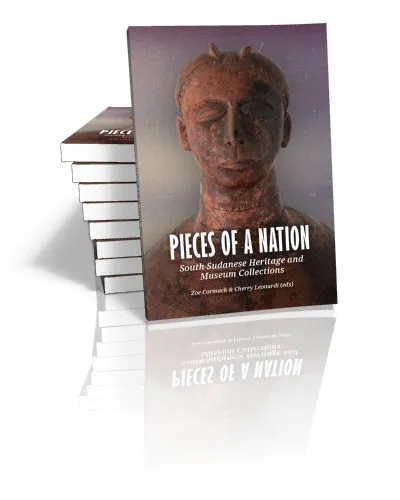
Although published in 2021, RM* distributes this open access book, as South Sudan is a much forgotten area. According to editors Zoe Cormack and Cherry Leonardi, the long-term effects of colonialism and conflict have largely precluded any concerted attempts to preserve material culture within the country; museums remained in Khartoum, the capital of the formally united Sudan. Furthermore, tens of thousands of objects had been removed from what is now South Sudan during the nineteenth and twentieth centuries to museum and private collections around the world...
Returns of Cultural Artefacts and Human Remains in a (Post)colonial Context. Mapping Claims between the Mid-19th Century and the 1970s, renders visible protests against the dispossession of cultural property and demands for its return in both colonial and post-colonial times: a starting point.
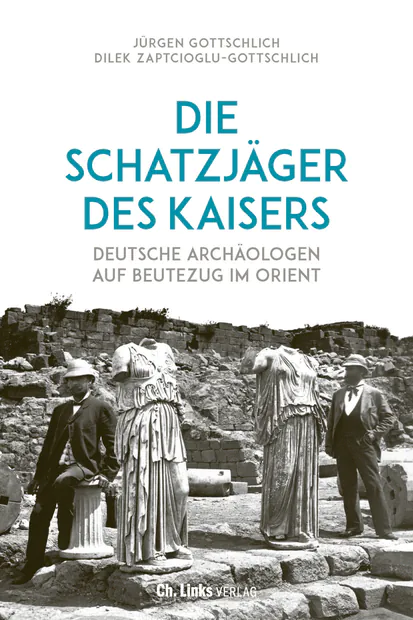
[ in German ] While the debate on looted art has so far focussed on works of art from African and Asian colonies, Jürgen Gottschlich and Dilek Zaptcioglu-Gottschlich focus on archaeological finds in the former Ottoman Empire in their 2021 book Die Schatzgräber des Kaisers. Deutsche Archäologen auf Beutesuch in Oriënt.
New World Objects of Knowledge: A Cabinet of Curiosities delves into the hidden histories of forty of the New World’s most iconic artifacts, from the Inca mummy to Darwin’s hummingbirds.
Cynthia Scott analyzes the history of the negotiations that led to the atypical return of colonial-era cultural property from the Netherlands to Indonesia in the 1970s. By doing so, the book shows that competing visions of post-colonial redress were contested throughout the era of post-World War II decolonization.
This dissertation investigates the histories and itineraries of Abelam collections from the East Sepik Province of Papua New Guinea held in museums in Europe (the Netherlands, Germany, Switzerland and the UK), Australia and Papua New Guinea.
Bella d'Abrera writes: The decolonisation movement is making headway in Australia’s museums and libraries which are adopting dangerous politics which will ultimately call into question their very existence. In trying to erase the past, we erase ourselves. (It is an older article but worth offers an anti-restitution perspective)
The age of many of museums, particularly those in the UK, means that they have artefacts dating back to colonial times. This article lists arguments pro and con restitution. Here the con's are presented.
[ in French ] Relations between ethnographic museums and African and Oceanic art markets in France, Switzerland and Belgium : building value(s) and appropriating otherness
Felwine Sarr and Bénédicte Savoy discuss what African cultural objects are in French publicly owned collections, why so few have been repatriated and what measures should be taken for restitutions to their countries or communities of origin.
Europeans collected a huge number of Aboriginal artefacts during the colonisation of Australia. Gemmia Burden's research is on the Queensland Museum’s collecting networks.
Julia Binter talks about knowledge justice in relation to Namibian cultural assets and investigates cooperative research on cultural assets from colonial contexts in museums.
The Pennsylvania Museum’s Cultural Center in Philadelphia is launching a study that examines 450 museum collections, collecting policies and practices in the US and formulates a collection framework.
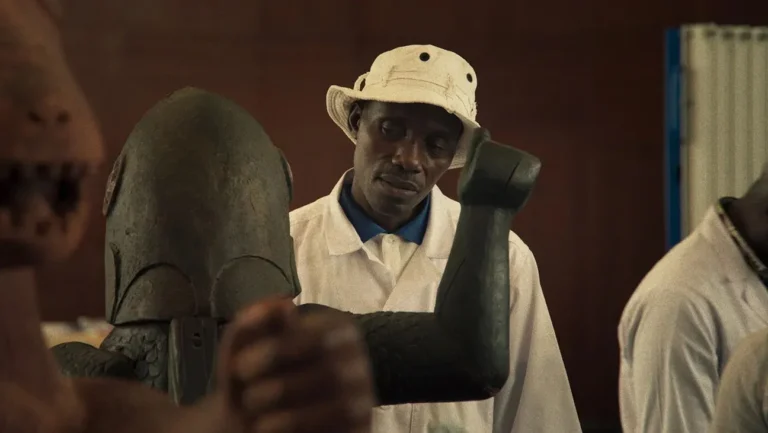
The prize-winning documentary film Dahomey continues to evoke reactions. In ARTnews, Alex Greenberger writes: If the 2016 statement by Andre Frasier that prisons and art institutions are “two sides of the same coin of inequality” seemed provocative eight years ago, it appears only mildly controversial now, at a time when museums are commonly seen as appendages of racist, colonialist, and deeply unfair systems.
Jamaica will intensify efforts for the repatriation of its cultural and natural heritage artefacts taken from Jamaica by the British and housed in museums and universities in the United Kingdom. The negotiation for the return of a whole repository of artefacts from the Tainosis is ongoing. The country also works on reparations related to the slave trade. Recently, Minister of Culture Olivia Grange received a delegation from churches in the United Kingdom during which the United Reform Church apologised for its role in this trade.
Justin M. Jacobs examined the allegedly immoral provenance of Western museum collections and challenges the widely accepted belief that many of Western museums’ treasures were acquired by imperialist plunder and theft.
The project, running until March 2025, highlights objects associated with the ship Saida. His Majesty's Ship Saida was built in 1878 and sailed from the main naval harbour of the Austro-Hungarian monarchy in Pula, Croatia. From 1884 to 1897, ship's doctors and other crew members collected objects, partly on behalf of the museum, during four so-called training voyages.
(In English, Italian and French) The central issue examined in this impressive collection of essays is how to respond to the desire of African-origin communities to reclaim what was taken from them.
(In English, French and Spanish) This issue of ICOFOM Study Series is the result of an international seminar at the University of Marburg in Germany in June 2024, where a wide range of speakers from the global south and north met.
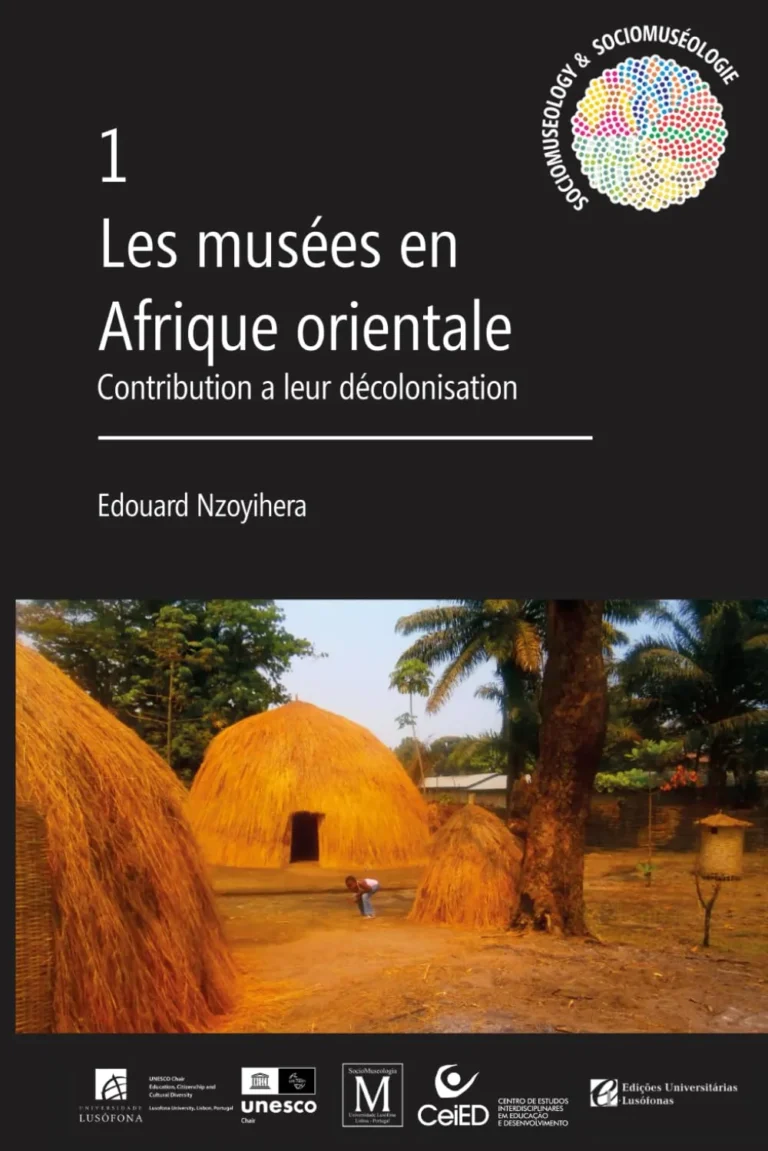
[ in French ] Museums in the modern sense of the term first appeared in Africa during the colonial era. After independence, the colonial museum became the national museum. It was only a change of name, but the model remained Western
Seven German museums under the management of the Zentralarchiv of the Staatliche Museen zu Berlin (Central Archive of the Staatliche Museen zu Berlin) systematically examine their holdings for looted goods from the Boxer War in cooperation with the Palace Museum Beijing.
[ in German ] Julia Binter talks about knowledge justice in relation to Namibian cultural assets and investigates cooperative research on cultural assets from colonial contexts in museums.
Police played an important role in the collecting of Aboriginal objects for colonial and imperial museums. Although most scholars have noted the unequal power relationship that occurred when police ‘collected’ Aboriginal objects on the frontier, scholarship has not previously explored the ‘authority’ of the police to collect objects.
The British Museum (‘BM’) has a collection of 224 objects from or likely from Cambodia, which were acquired across a period spanning from the end of the nineteenth century to the beginning of the twenty-first century. In this figure BM’s collection of banknotes, coins and medals from Cambodia is not included.
Kate Fitz Gibbon offers an extensive overview of India’s current cultural policies and the policies and practices during British colonial domination. It covers both the pro-Hindu policies of the Modi administration and the earliest laws to cultural heritage in Bengal (1810,1817).
Comment: Revisions to NAGPRA regulations require ‘deference’ to Native American ‘traditional knowledge’ and tribes’ permission to exhibit artifacts. The regulations do not address the possibility that a tribe and museum may disagree as to what is a cultural item subject to restrictions on display.
How do we trace the origin of collections? What new insights can be gleaned from these provenances? And what should become of such collections, within and beyond museum walls?
This paper outlines what makes the case of Ethiopia particular: the country that was never colonised but experienced the impact of European expansionism, and then discusses the two principal periods of looting
This ethnographic study aims to construct a thick description of how one migrant and diaspora community in a particular location – Somalis in Finland – preserve and discuss their cultural heritage.
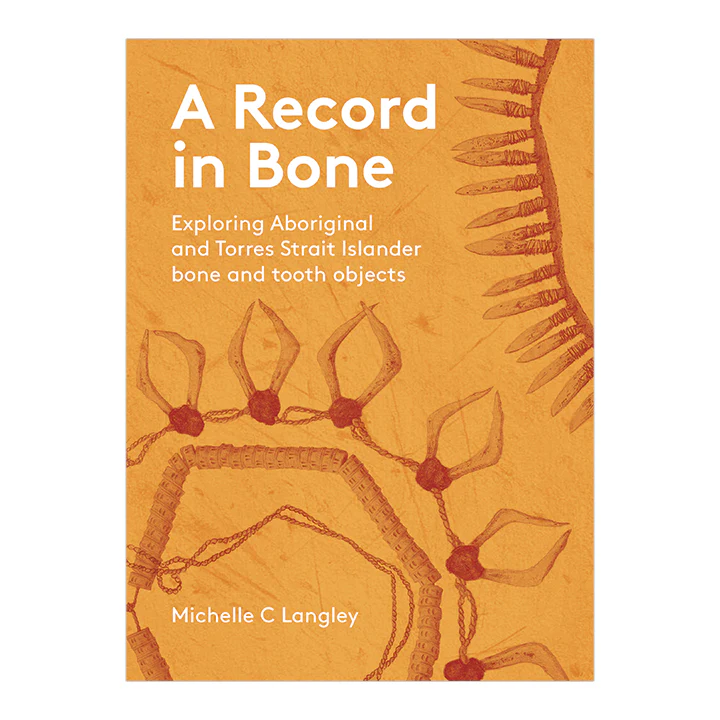
Bone and tooth tools and ornaments have been made by Aboriginal and Torres Strait Islander peoples for at least 46,000 years. Despite their beauty, sophistication and ubiquity, archaeologists and other researchers have overwhelmingly focused on the stone artefacts of Australia.
This book examines the ways in which law can be used to structure the return of indigenous sacred cultural heritage to indigenous communities, referred to as repatriation in this volume. In particular, it aims at developing legal structures that align repatriation with contemporary international human rights standards.
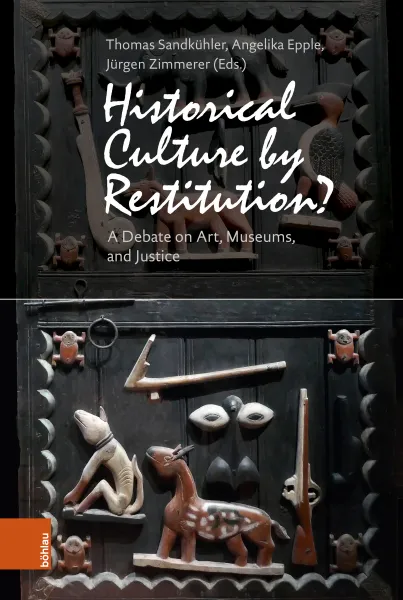
[ open access ] Editors Thomas Sandkühlerr, Angelika Epple, and Jürgen Zimmerer discuss in this book how the demand for restitution of art treasures of colonial provenance raises fundamental and complex questions about the presence of the past in ethical, scientific, political, legal and aesthetic dimensions.
This essay proceeds from the observation that the “Egypt” portrayed in museums and school education misrepresents the lived realities of modern Egyptians, their experiences, and their expectations concerning Egypt’s past and present.
The museum’s acquisition of works by contemporary Congolese artists is a consequence of the long effort to turn it from a temple of racist kitsch into a modern, ‘decolonised’ institution.
Jongsok Kim wrote this open access book in 2018, but it is still very relevant for our discussion. With legal and historical perspectives. Some case-studies about restitution are noteworthy.
The Museu Marítim de Barcelona has published TOOLS FOR THE DECOLONISATION OF MUSEUMS: A REFLECTION ON REIMAGINING THEMSELVES AS DIVERSE AND JUST INSTITUTIONS. Languages: Catalan, Spanish and English
Alexander Hermann takes a look at the principle of INALIENABILITY that applies in many countries, barring the removal of cultural objects from hashtag#museum collections, including for purposes such as hashtag#restitution.
The Mambesak Group was active in Jayapura from 1978 to 1984. After the murder of Arnold Ap in 1984, the group, mostly students from various regions in Papua, disbanded. This film tries to articulate the traces of the ideas of Arnold Ap, leader of the Mambesak Group, as mediators between their generation and the traces of their ancestors and Papuan culture. With firm statements about coloniality and restitution.