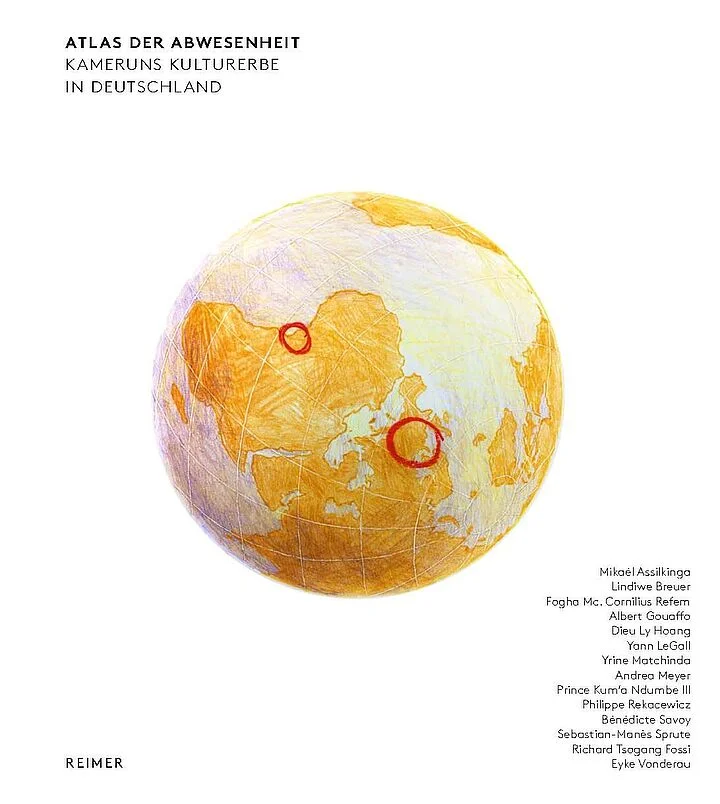
[ in English and in German ] The main focus is on cultural belongings from four Cameroonian communities, the Bakoko, Bamum, Duala, and Maka, whose heritage was absorbed by these institutions during the German colonial era (1884-1919). This should also become a basis for future restitutions.
This workshop marks the conclusion of the interdisciplinary provenance research project "Human Remains from Colonial Contexts: Provenance Research in the Anthropological Collections of the University of Göttingen and MARKK Hamburg".
Thomas Fues writes: the German government emphasises its willingness to confront Germany’s colonial history and its consequences. But it remains to be seen whether and how such declarations of intent at the beginning of the legislative period will actually be implemented in the coming years.
Thomas Fues writes: In an historic breakthrough for German restitution policy on colonial contexts, Cameroon’s official Restitution Committee has agreed upon the return of colonially appropriated cultural heritage in September 2025. Four German museums are involved.
This working paper offers an inventory of missionary orders and societies active in German colonial regions in Africa and Asia, the information available about them and the options for further research.
The repatriation of African art is gaining momentum, but a number of highly important and symbolic pieces remain in the hands of the continent’s former colonisers.
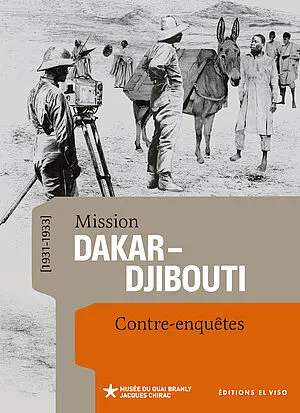
The Paris museum has invited African researchers to study the archives of the expedition, which took place between 1931 and 1933, and to carry out field studies to retrace the conditions of the undercover raid on artifacts.
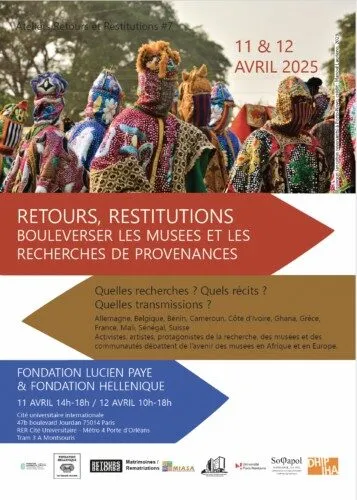
[ conference in French ] Germany, Benin, Cameroon, Ghana, Greece, France, Ivory Coast, Mali, Sénégal, Switzerland - Academics, activists, artists, experts from communities and museum actors debate the future of museums in Africa and in Europe.
The collection of the Musée des Rois Bamoun (MRB, Museum of the Bamoun Kings), located in Foumban in Cameroon’s West Region, testifies to the richness and diversity of the Bamoun Kingdom’s art, culture, and history.
[ open access ] 'Displacing and Displaying the Objects of Others - The Materiality of Identity and Depots of Global History' brings a diverse range of contributions inspired by research from the "Hamburg’s (post-)colonial legacy" research center.
[ in German, English and French ] German museums of world cultures hold 40,000 objects from Cameroon, more than the entire African collection of the British Museum, according to a new study, presented by Bénédicte Savoy (Technische Universität, Berlin) and Albert Gouaffo (University of Dschang).
When Sylvie Vernyuy Njobati saw the sacred statue of her Nso people for the first time, she was shaking. "I was seeing... our founder... our mother locked up in some glass container. And for 120 years, she's been yelling out. She needs to be back home," she told the BBC's The Comb podcast.
Colonial looted art is finally being returned to its countries of origin. New problems lie ahead, as former colonies now fear the return of looted art may take the place of a comprehensive reparation for colonial crimes.
The Lebang community in Cameroon has been the recipient of eight (8) significant cultural and spiritual heritages sold in auction and online in The Netherlands and Germany.
Chief Charles Taku has made an impassioned call for the “urgent and unconditional restitution of the Bangwa Queen in Dapper Foundation in France, the Bangwa King in Metropolitan Museum in New York, USA and the cultural heritage artefacts which are in the National Ethnological Museum in Berlin and Municipal Museums in Germany, in the Netherlands and other parts of the world.”
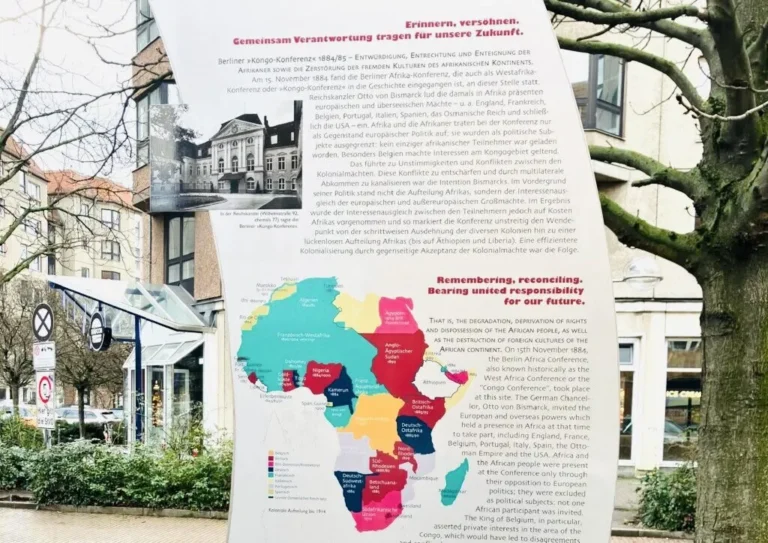
Chief Charles Taku argues that the resistance towards the restitution of African Heritage artefacts and the payment of reparations for colonial crimes is premised on the supposed legality of the crimes under the General Act of the Berlin Conference (26 February 1885).
Rachel Mariembe discusses the collection of the Musée des Rois Bamoun (MRB, Museum of the Bamoun Kings), located in Foumban in Cameroon’s West Region, as a framework for studying issues related to the concepts of museum, cultural heritage, conservation, and the restitution of cultural property looted during the colonial period.